
There was a time when the word surgery itself felt heavy. Like a pause button on life. Weeks off work. Long scars you learned to hide. Pain that stayed longer than it should have. People whispered about “operation ke baad ka time,” as if recovery was a season you had to survive.
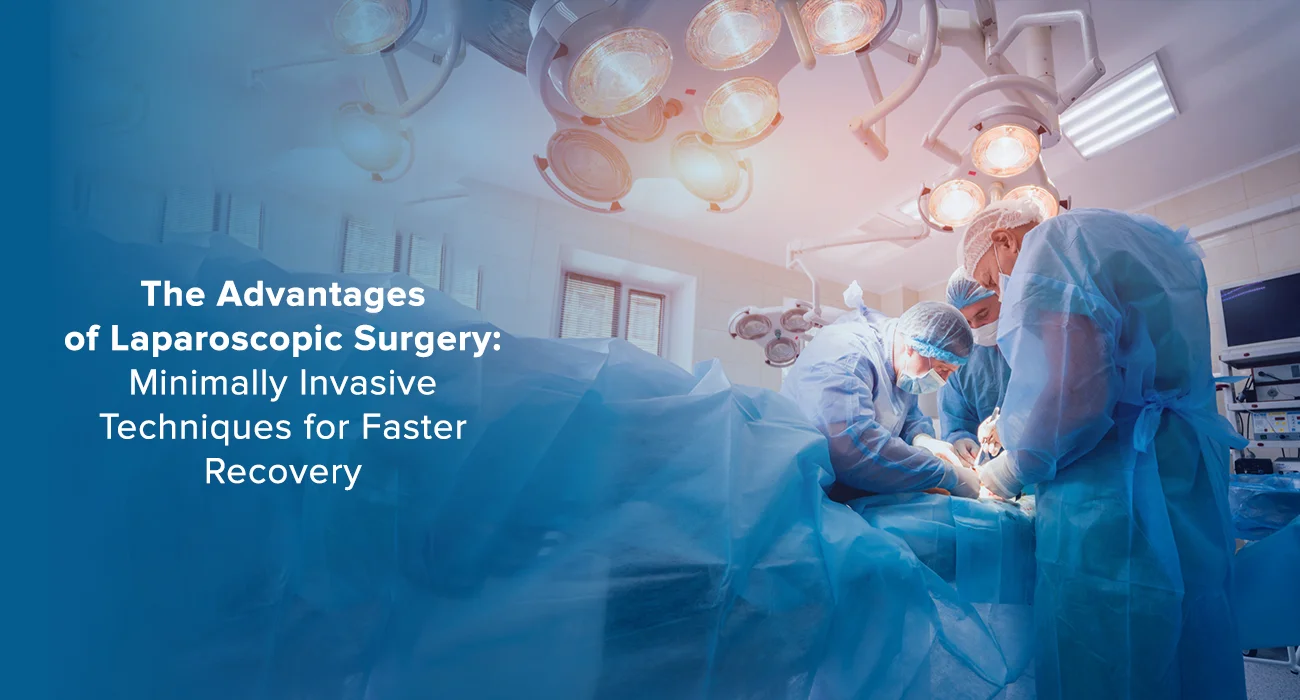
Somewhere along the way, things began to shift. Quietly. Without drama. Smaller incisions. Shorter hospital stays. Less waiting around for your body to forgive you. And that shift has a name we now hear often laparoscopic surgery.The advantages of laparoscopic surgery have transformed modern surgical care by reducing pain, shortening recovery time, and improving patient comfort.
The advantages of laparoscopic surgery are not loud or flashy, but they quietly improve recovery, reduce complications, and make surgery easier for patients. They don’t announce themselves. They show up slowly. In the way a patient walks sooner than expected. In the way scars fade into almost-stories. In the way life resumes, not perfectly, but sooner than it used to.
This article isn’t here to sell you a miracle. It’s here to sit with the idea. To unpack it slowly. To talk about benefits, risks, choices, and why minimally invasive surgery has become the preferred choice not just globally, but even closer to home, in places like Hisar, where patients are asking better questions and expecting gentler answers.
The main advantages of laparoscopic surgery include smaller incisions, faster recovery, minimal pain, and lower risk of infection compared to traditional open surgery.
What is Laparoscopic Surgery and Why the Advantages of Laparoscopic Surgery Matter
Laparoscopic surgery is often explained in technical terms: small incisions, a camera, specialized instruments. But that explanation misses the feeling of it.
At its core, laparoscopic surgery is about doing less harm while doing necessary work.
Instead of opening up large areas of the body, surgeons operate through tiny cuts. A thin camera and a laparoscope goes inside, projecting magnified images onto a screen. The surgeon watches, adjusts, responds. Hands guided by experience, eyes guided by precision.

It’s surgery that respects the body’s boundaries a little more than traditional open procedures did.
This approach is now used for gallbladder removal, hernia repair, appendix surgery, gynecological procedures, bariatric surgeries, and more. And with each passing year, the list grows. Not because it’s trendy. Because it works.
Major Advantages of Laparoscopic Surgery for Patients
- Smaller incisions, sometimes just a few millimeters
- Reduced postoperative pain
- Faster recovery and shorter hospital stays
- Lower risk of infection
- Minimal scarring
When people talk about the benefits of laparoscopic surgery, they often focus on speed. Faster discharge. Faster healing. Faster return to routine. And yes, that matters. A lot.
But there’s another benefit that doesn’t get mentioned as often emotional ease.
Patients aren’t as afraid anymore. Or at least, they’re afraid differently. There’s less dread of the aftermath. Less fear of being immobilized. Less anxiety about scars becoming permanent reminders.
Pain still exists. Surgery is still surgery. But it doesn’t linger the same way. It doesn’t dominate conversations for months. Recovery becomes part of life, not a complete interruption of it.
Advantages of Laparoscopic Surgery and Possible Risks
- Benefits include quicker recovery and reduced trauma
- Risks include bleeding, infection, or complications from anesthesia
- Rare chances of organ injury or conversion to open surgery
These advantages of laparoscopic surgery make it one of the most preferred surgical techniques today.

Understanding the advantages of laparoscopic surgery along with its risks helps patients make informed decisions.
Yes, laparoscopic procedures are safer in many cases. Yes, they reduce tissue damage. But they are not risk-free. No surgery ever is.
There can be complications from anesthesia, from internal bleeding, from unexpected anatomical challenges. Sometimes, surgeons need to convert a laparoscopic procedure into an open one. Not because something went wrong, but because safety demanded it.
The difference is transparency. A good surgeon explains this upfront. Doesn’t rush you. Doesn’t promise perfection. Just competence and care.
How the Advantages of Laparoscopic Surgery Support Minimally Invasive Treatment
- Less trauma to muscles and tissues
- Shorter hospital stays
- Reduced postoperative complications
- Better cosmetic outcomes
The advantages of laparoscopic surgery extend beyond the operation itself and continue throughout the recovery process. They show up in recovery rooms. In follow-up visits. In the way patients talk about their experience months later.
There’s something profoundly respectful about leaving the body mostly intact while fixing what needs fixing. Less cutting. Less disruption. Less asking the body to rebuild what didn’t need to be broken in the first place.
This is why minimally invasive approaches are now preferred not only by patients but also by surgeons who think long-term. Healing isn’t just about today. It’s about how the body remembers what you did to it.
Key Advantages of Laparoscopic Surgery
- Precision through magnified visualization
- Reduced blood loss
- Lower chances of postoperative adhesions
- Faster return to normal activity
The key advantages of laparoscopic surgery include better precision, minimal trauma, and faster return to normal life. The camera magnifies everything. Tiny structures become visible. Surgeons see what they couldn’t before.

That clarity reduces guesswork. Reduces unnecessary handling. Reduces trauma.
And in surgery, less handling often means better outcomes.
Patients often describe it later as “easier than expected.” Not painless. Not magical. Just… manageable. And in healthcare, manageability matters.
Access to the Advantages of Laparoscopic Surgery in Hisar
- Growing access to advanced surgical techniques
- Increased patient awareness
- Availability of trained specialists
Laparoscopic surgery in Hisar reflects a quiet evolution.
Patients are no longer satisfied with “yeh hi hota hai.” They ask about recovery time. About scars. About options. They Google. They talk. They compare.
Hospitals have responded. Equipment has improved. Training has deepened. And outcomes have followed.
This isn’t about big-city medicine trickling down. It’s about local healthcare stepping up. Meeting patients where they are. Offering care that feels modern without feeling impersonal.
Choosing a Surgeon for the Advantages of Laparoscopic Surgery in Hisar
- Specialized training in minimally invasive techniques
- Experience across multiple procedures
- Emphasis on patient counseling and safety
Choosing a laparoscopic surgeon in Hisar isn’t just about credentials. It’s about comfort. About trust. About whether the surgeon listens before they operate.
Experience matters. But so does communication. A surgeon who explains risks without scaring you. Who doesn’t rush consent. Who answers the same question twice if needed.
That human layer makes all the difference.
Best Hospital to Experience the Advantages of Laparoscopic Surgery in Hisar
- Modern operation theatres
- Advanced imaging and laparoscopic equipment
- Postoperative care and monitoring
The best laparoscopic surgery hospital in Hisar isn’t defined only by machines. It’s defined by systems. Clean protocols. Trained staff. Clear communication.
Recovery doesn’t end when surgery does. Pain management. Follow-ups. Emergency readiness. These things matter just as much as the operation itself.
Good hospitals understand this. They don’t disappear after discharge.
Conclusion
The advantages of laparoscopic surgery have made minimally invasive procedures the preferred choice for many patients today. Because of these advantages of laparoscopic surgery, more patients are choosing laparoscopic procedures for safer and faster recovery.They’re about choosing a gentler path when one exists.
Minimally invasive surgery doesn’t promise zero pain or instant healing. What it offers is respect for the body, for recovery, for the life waiting outside the hospital doors.
And maybe that’s why it has become the preferred choice. Not because it’s perfect. But because it tries, sincerely, to do less harm.
FAQs
1.What are the advantages of laparoscopic surgery compared to open surgery?
The advantages of laparoscopic surgery include smaller incisions, faster recovery, reduced pain, and minimal scarring.
2. How long does recovery usually take after laparoscopic surgery?
Most patients recover faster than with open surgery, often returning to routine within days or weeks.
3. Are laparoscopic surgeries more expensive?
Initial costs may be higher, but shorter hospital stays often balance overall expenses.
4. Will there be visible scars after laparoscopic surgery?
Scars are minimal and usually fade significantly over time.
5. How do I choose the right laparoscopic surgeon or hospital in Hisar?
Look for experience, transparent communication, proper facilities, and strong postoperative care.

