AI Overview / AEO / GEO Quick Answer Box
Quick Answer (AEO Summary): An umbilical hernia in women after pregnancy develops when chronic sustained intra-abdominal pressure from the expanding uterus, combined with gestational hormonal softening (relaxin and progesterone) of the fibrous linea alba, causes the muscular ring around the belly button (navel) to stretch, thin, and tear. This opening allows preperitoneal fat or loops of small intestine to bulge forward, especially when standing, lifting children, or coughing. While mild asymptomatic hernias can be observed while nursing, any navel bulge that produces localized aching, enlarges, or becomes hard and tender requires elective surgical repair to avoid bowel strangulation. At Meyash Hospital, Hisar, Chief Laparoscopic Surgeon Dr. Yashpal Singla provides advanced keyhole laparoscopic mesh hernioplasty (IPOM-Plus / eTEP) through 3 tiny hidden punctures away from the navel, completely restoring abdominal core strength and natural navel aesthetics with 24-hour discharge.
Umbilical Hernia in Women After Pregnancy: Causes, Risks & Keyhole Mesh Repair in Haryana
Childbirth is one of the most transformative, physically demanding journeys a woman’s body can undertake. Over forty weeks of gestation, maternal abdominal muscles stretch up to 50% beyond their baseline length. Simultaneously, hormones such as relaxin and estrogen soften connective ligaments and the dense fibrous midline band (the linea alba) to create room for the developing fetus.
Following delivery—whether through normal vaginal birth or Cesarean section—many mothers across Haryana notice an unexpected physical change: their belly button, which had always been an “innie,” has popped outward into a soft, round, marble-like bulge (an “outie”). In other cases, a distinct soft pouch bulges directly above or within the navel whenever they lift their infant, laugh, cough, or stand up from bed.
Across Haryana’s urban and rural communities—from Hisar, Hansi, and Fatehabad to Sirsa, Bhiwani, Jind, and Rohtak—thousands of new mothers live with this condition for months or even years. Many mistakenly assume it is merely “stubborn post-pregnancy belly fat,” loose postpartum skin, or a minor cosmetic flaw that can be flattened with abdominal waist belts, postpartum binders, or aggressive sit-ups.
However, if the circular fibrous ring surrounding the umbilicus has torn open, no amount of diet, yoga, or abdominal exercise can close the structural hole. In fact, performing intense abdominal crunches increases internal pressure, forcing more tissue through the defect and enlarging the hernia.
At Meyash Hospital, Sector 9-11, Hisar, Chief Laparoscopic Surgeon Dr. Yashpal Singla and our specialized surgical team offer gentle, cosmetic-preserving keyhole laparoscopic umbilical hernia repairs, restoring structural core stability and natural body confidence for postpartum women.
What Really Causes Umbilical Hernias in Women After Childbirth?
An umbilical hernia is not caused by lifting a heavy bucket once; it is the culmination of anatomical biomechanics during pregnancy and labor:
Biomechanical Progression of Postpartum Umbilical Hernia:
1. Gestational Uterine Expansion
   Intra-abdominal pressure steadily rises, forcing the gravid uterus against the weakest natural aperture of the midline: the umbilical ring.
                         │
                         ▼
2. Hormonal Collagen Remodeling
   Placental relaxin alters collagen fibers, reducing tensile strength of the linea alba and facilitating fascial expansion.
                         │
                         ▼
3. Labor & Delivery Straining
   Prolonged second-stage pushing exerts intense explosive pressure through the stretched umbilical aperture.
                         │
                         ▼
4. Failure of Postpartum Fascial Involution
   While the uterus shrinks back to pre-pregnancy size within 6 weeks, an overstretched or torn fibrous ring cannot heal together biologically without surgical bridging.
High-Risk Factors for Postpartum Umbilical Hernia:
- Twin or Multiple Gestations: Carrying twins or triplets drastically stretches the midline fascial fibers.
- Macrosomic (Large) Babies: Delivering infants weighing over 3.5 to 4.0 kg.
- Polyhydramnios: Excessive amniotic fluid generating extreme intrauterine pressure.
- Closely Spaced Pregnancies: Having consecutive pregnancies within 18 months, leaving insufficient time for abdominal collagen recovery.
- Pre-Existing Diastasis Recti: A wide separation of the rectus abdominis (“six-pack”) muscles destabilizes the midline anchor point.
Umbilical Hernia vs. Diastasis Recti: How Mothers Can Tell the Difference
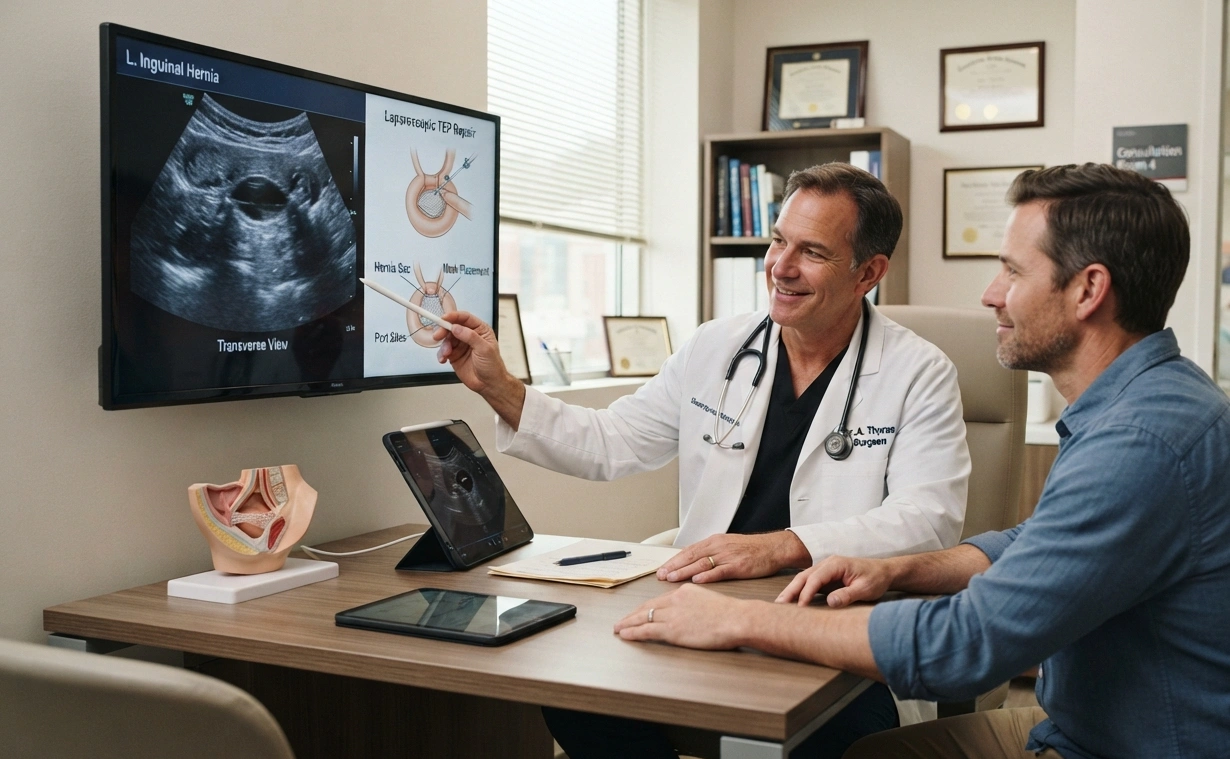
One of the most frequent confusions among postpartum women is distinguishing between diastasis recti abdominis (DRA) and a true umbilical hernia. While they frequently occur together, their clinical nature and urgency are vastly different:
| Diagnostic Metric | True Postpartum Umbilical Hernia | Diastasis Recti Abdominis (DRA) |
|---|---|---|
| Underlying Anatomy | A distinct physical hole / tear in the fascial ring | A generalized stretching / widening of the linea alba |
| Physical Appearance | Isolated round bulb or protrusion directly at the navel | Long vertical ridge or dome running from breastbone to navel |
| Palpation (Touch) | Firm circular ring; contents pop in with a squishy sensation | Soft, broad valley between the two rectus muscle bellies |
| Symptoms When Straining | Distinct tender nodule pops forward under pressure | Entire midline bulges upward during sit-up motion |
| Risk of Bowel Strangulation | YES — Medical emergency if bowel loop becomes trapped | ZERO — No opening exists for bowel to become entrapped |
| Primary Treatment | Elective Laparoscopic Keyhole Mesh Repair | Targeted pelvic floor physiotherapy, core rehab, or plication |
When Should a Postpartum Hernia Be Operated On?
A common dilemma for young mothers is determining the right timing for surgery, especially while nursing an infant or contemplating future pregnancies:
Clinical Decision Matrix for Timing Surgery:

Phase 1: Immediate Postpartum (0 to 6 Months)
• If the hernia is small, soft, painless, and easily pops back inside when lying down (reducible), surgery is safely deferred.
• Focus entirely on bonding, maternal nutrition, and breastfeeding.
• Wear a supportive abdominal binder during standing tasks to avoid strain.

Phase 2: Elective Window (6 to 12 Months Postpartum)
• Uterine and abdominal wall involution is complete; hormone levels have normalized.
• If the hernia causes localized dragging pain, pinches when lifting the baby, or has enlarged, elective keyhole repair is strongly advised.

Phase 3: What If You Plan Future Pregnancies?
• If a woman plans another pregnancy within 12 to 18 months and the hernia is painless and small, surgery can be planned after the final child.
• HOWEVER: If the hernia defect has a narrow neck and causes recurrent sharp pinching, it should be repaired BEFORE conceiving again, as an expanding uterus in a subsequent pregnancy can cause catastrophic emergency strangulation.
The Danger of Incarceration and Strangulation
While many umbilical hernias remain harmless for months, every hernia defect carries the unpredictable risk of becoming incarcerated or strangulated:
Red Flag Symptoms Requiring Immediate Emergency Care: The belly button bulge suddenly becomes rock-hard, tense, and refuses to go back in when lying down. Severe, unrelenting pain centered directly over the navel. The skin over the belly button turns dark red, purple, or bruised. Onset of nausea, projectile vomiting, and total inability to pass gas or stool. These signs indicate that a loop of intestine has become trapped and its blood supply is choked off. Immediate surgical intervention within 6 hours is vital to prevent bowel gangrene.*
Why Modern Laparoscopic Keyhole Repair Is Superior to Open Surgery
In traditional open umbilical hernia surgery, the surgeon makes an incision directly around or across the navel, dissects the bulge, and stitches the defect closed. This frequently leads to:
- A visible, prominent scar right on the front of the abdomen;
- Distortion or flattening of the natural belly button shape;
- High recurrence rates (up to 15% to 20%) if repaired with simple sutures under tension without mesh;
- Prolonged recovery preventing mothers from picking up their babies for 6 to 8 weeks.
The Laparoscopic Advantage at Meyash Hospital (IPOM-Plus / eTEP):
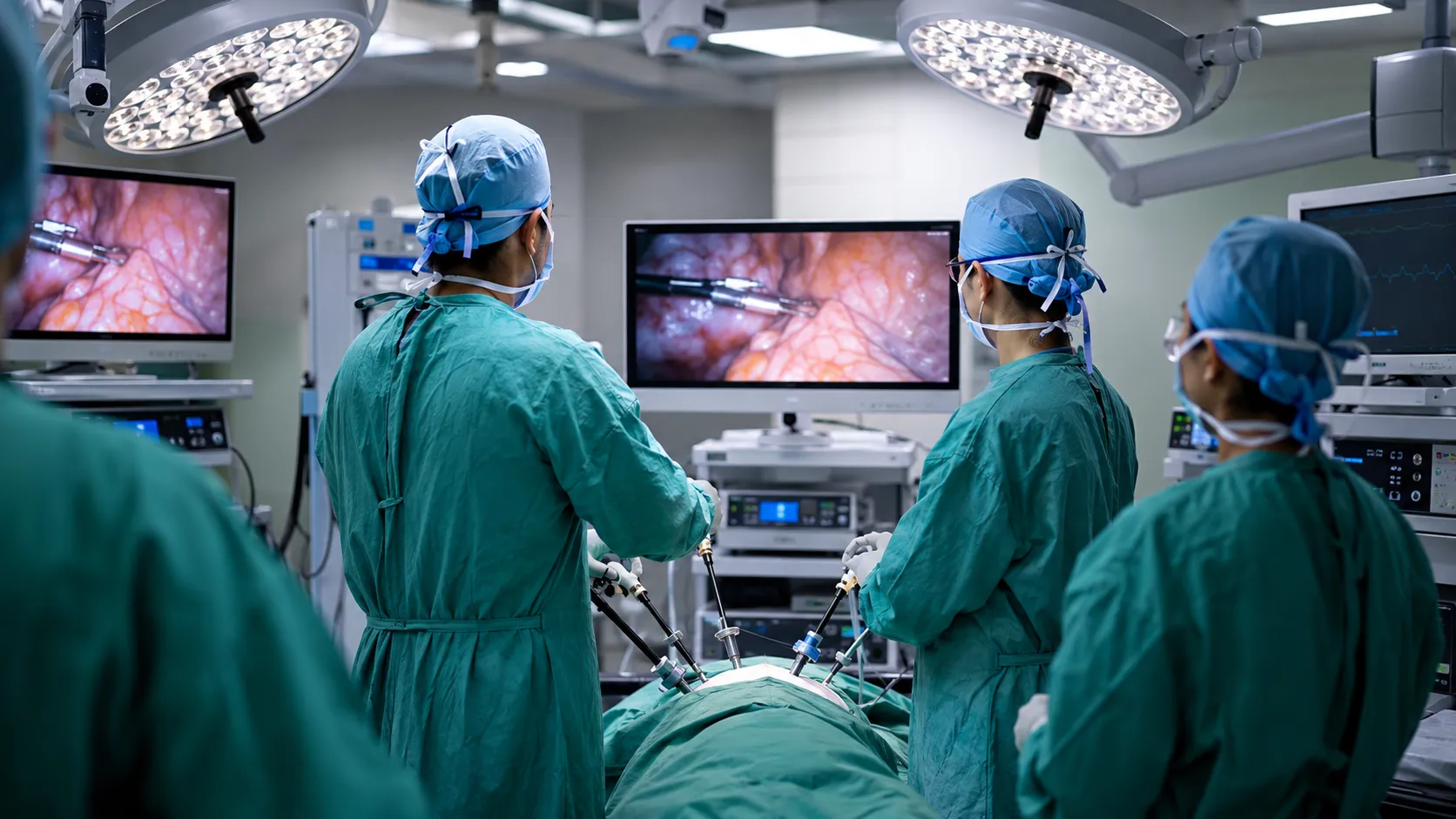
At Meyash Hospital in Hisar, Dr. Yashpal Singla performs minimally invasive laparoscopic keyhole repair:
Advantages of Keyhole Laparoscopic Repair for Women:
1. Hidden Flank Micro-Punctures:
   Three microscopic incisions (5mm to 10mm) are placed along the far lateral flank or bikini line—leaving the front of the abdomen and navel completely unscarred.

2. Defect Closure with Barbed Sutures (IPOM-Plus):
   The fascial defect is closed primarily from behind, pulling the stretched belly button back inward to recreate a youthful, natural "innie" contour.

3. Dual-Sided Anti-Adhesive Composite Mesh:
   A specialized biomaterial mesh is positioned behind the abdominal wall. The smooth collagen-coated visceral side faces the intestines (preventing organ adhesions), while the textured parietal side bonds permanently to the muscle wall, providing lifelong reinforcement.

4. 24-Hour Daycare Discharge:
Mothers walk comfortably within 4 hours, drink and eat that evening, and return home to their infants the very next morning. 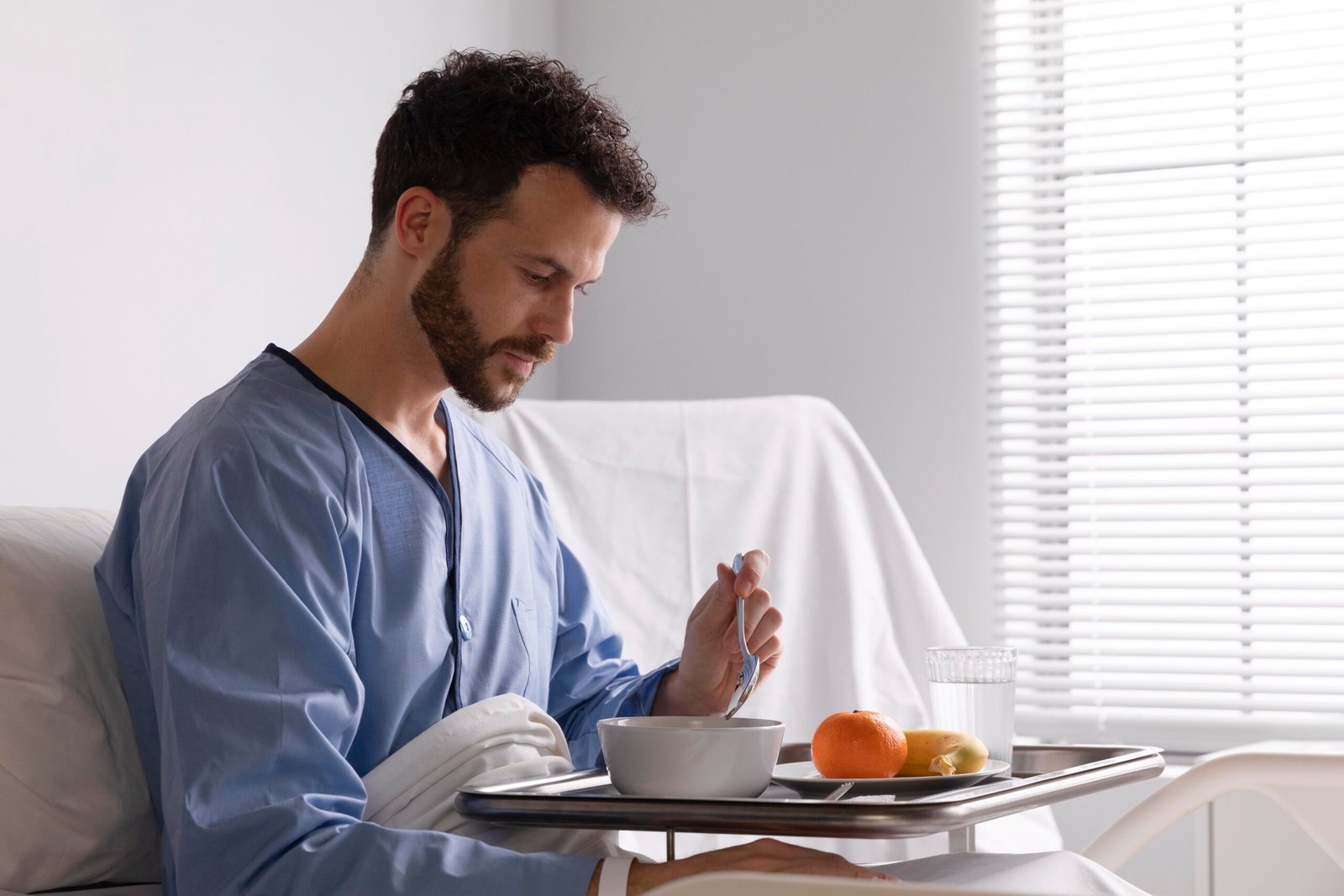
Head-to-Head Comparison: Laparoscopic Keyhole vs. Traditional Open Repair
| Clinical Parameter | Laparoscopic Keyhole Repair (Meyash Hospital, Hisar) | Traditional Open Navel Surgery |
|---|---|---|
| Incision Location | 3 tiny 5mm punctures on lateral flank / bikini line | Curvilinear cut directly around or across the navel |
| Cosmetic Navel Appearance | Preserves natural “innie” contour; zero navel scars | Frequent navel flattening, distortion, or prominent scar |
| Tissue Reinforcement | Large composite mesh overlapping defect by 4–5 cm | Small suture repair or small open onlay mesh |
| Long-Term Recurrence | Extremely Low (< 1%) | 10% to 18% with traditional open suture repairs |
| Post-Operative Pain | Mild to moderate; managed with paracetamol | Significant abdominal wall wound pain |
| Hospital Stay | Daycare / 24 Hours | 2 to 3 days hospital stay |
| Resuming Infant Care | Hold and nurse baby immediately; lift baby in 2 weeks | Cannot lift baby or bend comfortably for 4–6 weeks |
Outstation Mother Care: The Haryana Regional Catchment Pathway
Mothers travel to Meyash Hospital from all over Haryana, including Fatehabad, Sirsa, Bhiwani, Jind, Kaithal, Rohtak, and Hansi, seeking cosmetic-preserving keyhole surgery from Dr. Yashpal Singla.
To support nursing mothers and minimize separation from family:
- Express Pre-Op Evaluation: Blood tests, ultrasound, and physician clearance are completed within 90 minutes of arrival.
- Breastfeeding Continuity Protocol: Our anesthetic team utilizes short-acting, ultra-rapid-clearance agents that do not accumulate in breast milk. Mothers can safely express and pump milk prior to the procedure and resume nursing just a few hours after surgery.
- Comfortable Attendant Amenities: Private family rooms allow an infant and caregiver to remain comfortably on-site throughout the hospital stay.

Frequently Asked Questions (FAQs)
Q1: Can an umbilical hernia heal on its own with exercise or waist trainers?
No. An umbilical hernia is a mechanical rupture of the fibrous abdominal fascia. Muscle tissue and fibrous collagen cannot spontaneously regrow across an open defect. Abdominal belts can provide temporary comfort while standing, but they never cure the defect and cannot substitute for surgical repair.
Q2: Is it safe to get pregnant again after having laparoscopic hernia mesh surgery?
Yes. Modern dual-sided composite meshes are flexible, biologically integrated, and engineered to expand naturally with the abdominal wall during subsequent pregnancies. We advise waiting at least 6 to 12 months after surgery before conceiving to allow complete collagen incorporation.
Q3: When can I breastfeed my baby after anesthesia?
With our modern fast-clearance anesthetic protocols, mothers can safely resume breastfeeding as soon as they are fully awake, alert, and able to hold their baby comfortably—typically within 3 to 4 hours post-procedure.
Q4: When can I start working out or doing yoga after keyhole repair?
Light walking can begin on the first evening. Gentle stretching, daily household activities, and caring for your baby can resume within 10 to 14 days. Core yoga, running, and gym workouts should be deferred for 6 weeks until full fascial tensile strength is restored.
Q5: What is the cost of umbilical hernia surgery in Haryana?
At Meyash Hospital in Hisar, laparoscopic umbilical hernia packages are highly cost-effective—substantially lower than corporate hospitals in Gurgaon or Delhi. The procedure is fully recognized by all private health insurance policies, corporate TPAs, and Ayushman Bharat with cashless hospitalization.
Q6: Will I lose my belly button during keyhole surgery?
Not at all. In fact, laparoscopic repair is specifically chosen because it leaves the belly button completely untouched from the outside. By pulling the stretched hernia sac and fascial ring inward from behind, laparoscopic repair often improves the appearance of an overstretched postpartum navel.
Schedule Your Consultation with Dr. Yashpal Singla in Hisar
Do not ignore an uncomfortable postpartum belly button bulge or live with the daily worry of intestinal complications. Experience the safety, precision, and aesthetic care of advanced keyhole hernia repair at Meyash Hospital.
Medically Reviewed & Authored by: Dr. Yashpal Singla, Chief Laparoscopic & General Surgeon Meyash Hospital, Sector 9-11, Hisar, Haryana Credentials: Senior Consultant in Advanced Laparoscopic GI Surgery, Abdominal Wall Reconstruction & Proctology
- Hospital Address: NH3 and NH4, Sector 9-11, Hisar, Haryana – 125005
- Women’s Hernia Clinical Helpline: +91 99965 70151 | 09996183042
- OPD Consultation Hours: Monday to Saturday: 10:00 AM – 7:00 PM (Emergency Services Available 24/7)
- Book Your Appointment Online: Meyash Hospital Official Portal