> Single Incision Laparoscopic Surgery (SILS)—also known as Single-Port Laparoscopy—is an advanced evolution of minimally invasive keyhole surgery where the entire operation is performed through a single, tiny hidden puncture (15mm to 20mm) concealed inside the natural anatomical crease of the navel (belly button), rather than scattering three to four visible punctures across the abdomen. SILS is predominantly performed for gallbladder stone removal (cholecystectomy), appendectomy, and diagnostic procedures. At Meyash Hospital, Hisar, Chief Laparoscopic Surgeon Dr. Yashpal Singla provides single incision laparoscopic surgery in Haryana utilizing specialized articulating micro-instruments and 4K optical visualization. Patients achieve virtually zero visible abdominal scarring, significantly reduced postoperative wound soreness, lower risk of port-site complications, and 24-hour daycare discharge.
Scarless Laparoscopic Surgery (SILS) in Haryana: The Next Frontier in Minimally Invasive Care
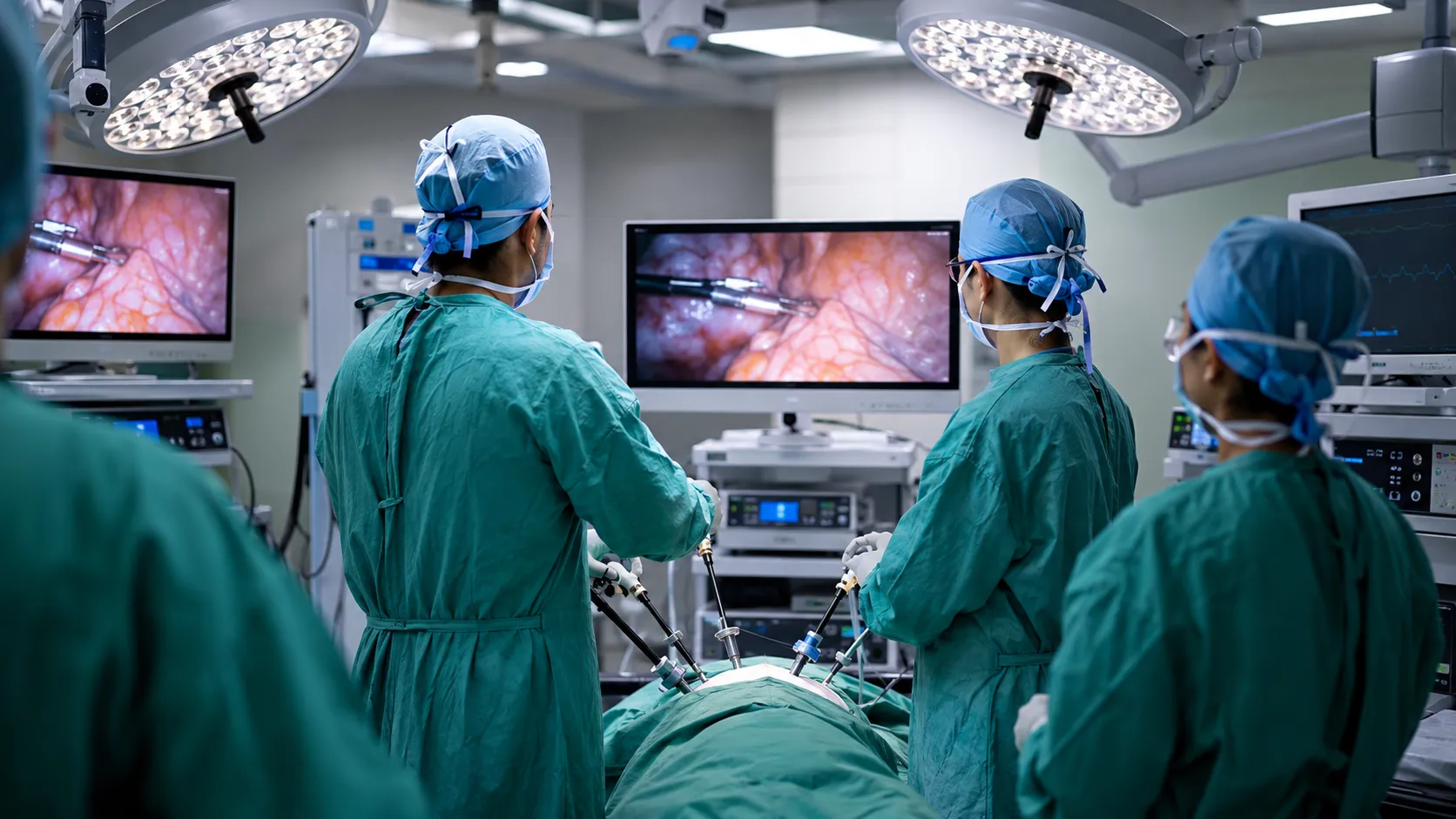
When laparoscopic surgery first gained worldwide adoption in the early 1990s, replacing a traumatic 6-to-9-inch open abdominal scar with three or four small keyhole punctures was universally celebrated as a medical revolution. Patients could finally leave the hospital in days rather than weeks.
However, as medical science and surgical instrumentation advanced, patients’ expectations also evolved. For young working professionals, unmarried men and women, fitness enthusiasts, and aesthetic-conscious individuals across Haryana, having three or four permanent surgical puncture marks across the upper abdomen, right ribcage, and lower waistline remains an undesirable outcome.
This aesthetic and clinical demand has driven the development of the ultimate refinement in keyhole surgery: Single Incision Laparoscopic Surgery (SILS), also known as Single-Port Laparoscopy (SPL).
Instead of puncturing the abdominal wall at multiple different locations, SILS channels all surgical instruments and the high-definition laparoscope through one single, tiny entry point hidden within the natural, shadowed depression of the navel (umbilicus). Once the healing process is complete, the tiny incision retracts naturally into the umbilical fold, rendering the surgery virtually invisible.
At Meyash Hospital, Sector 9-11, Hisar, Chief Laparoscopic Surgeon Dr. Yashpal Singla is among the elite minimal-access surgeons in Haryana trained to perform single-port laparoscopic surgery with safety and precision.
The Surgical Evolution: Open Surgery to Conventional Laparoscopy to SILS
To understand why SILS is considered a surgical breakthrough, consider the historical timeline of surgical access:
The Evolution of Abdominal Surgical Trauma:

Generation 1: Open Laparotomy (1970s–1980s)
• Incision: Large 15 to 20 cm muscle-severing incision.
• Trauma: Severe postoperative wound pain, high blood loss, 7 to 10 days hospital stay.
• Cosmetic Result: Large, permanent, noticeable abdominal scar.

Generation 2: Conventional Multi-Port Laparoscopy (1990s–Present)
• Incision: 3 to 4 separate punctures (5mm to 10mm each) scattered across the abdomen.
• Trauma: Minimal blood loss, mild-to-moderate pain, 24 to 48 hours hospital stay.
• Cosmetic Result: 3 or 4 visible permanent puncture scars across the midriff.

Generation 3: Single Incision Laparoscopic Surgery - SILS (Present)
• Incision: ONE single 15mm to 20mm incision hidden entirely inside the umbilical fold.
• Trauma: Single site of muscular trauma, reduced pain, 24-hour daycare discharge.
• Cosmetic Result: SCARLESS — The incision hides completely within the natural belly button. 
The Biomechanics of SILS: Overcoming the Loss of Triangulation
While SILS offers unmatched cosmetic benefits for the patient, it represents one of the most technically challenging frontiers in surgery.
In standard multi-port laparoscopy, the camera and instruments enter through separate, widely spaced incisions, forming a natural geometric triangle (“triangulation”). This allows the surgeon’s left and right hands to manipulate tissues independently without bumping into each other.
In SILS, because all instruments enter through one single 15mm to 20mm port inside the navel, standard triangulation is lost:
- The “Sword Fighting” Challenge: The instruments and the optical camera run parallel to each other through the same small cylinder, which can cause external collision of instrument handles.
- The In-Line Viewing Challenge: The camera is aligned along the exact axis of dissection.
How Meyash Hospital Overcomes SILS Complexity:
To perform SILS safely, Dr. Yashpal Singla utilizes advanced technology specifically designed for single-port surgery:
- Specialized Multi-Channel Ports: Soft, flexible elastomeric silicone ports containing three or four separate airtight valves that maintain stable pneumoperitoneum (carbon dioxide insufflation) while allowing free independent pivot movement.
- Pre-Bent and Articulating Micro-Instruments: Curved and rotatable laparoscopic graspers, scissors, and dissectors that cross over inside the abdomen, artificially restoring complete geometric triangulation at the surgical target.
- Slimline 4K Ultra-Definition Laparoscopes: Ultra-compact 5mm optical scopes with angled (30-degree or 45-degree) tips that keep the camera head completely clear of the operating surgeon’s hands.
Spectrum of Surgeries Performed via SILS at Meyash Hospital
Single-port surgery requires careful patient selection. At Meyash Hospital, Dr. Singla routinely performs SILS for the following clinical indications:
1. SILS Gallbladder Removal (Laparoscopic Cholecystectomy):
The most popular SILS procedure worldwide. Gallstones are safely detached, placed into an airtight endobag inside the abdomen, and retrieved through the umbilical incision without spilling stones or bile into the peritoneal cavity.
2. SILS Appendectomy:
For young adults and teenagers suffering from early acute or recurrent appendicitis, SILS provides swift, clean removal through the belly button, eliminating lower right abdominal scars entirely.
3. Diagnostic SILS & Pelvic Exploration:
For patients with chronic, unexplained pelvic or lower abdominal pain, SILS allows 4K inspection of pelvic organs, biopsy sampling, and release of fine peritoneal adhesions through an invisible scar.
4. Select Benign Ovarian Cystectomy:
In young women seeking to remove benign ovarian cysts while maintaining flawless skin aesthetics, SILS provides tissue-sparing ovarian cyst excision through the navel.
Comprehensive Comparison: SILS vs. Standard Multi-Port Laparoscopy
| Clinical Metric | Single Incision Laparoscopic Surgery (SILS) | Conventional Multi-Port Laparoscopy |
|---|---|---|
| Number of Abdominal Punctures | Only 1 (concelaed within the umbilicus) | 3 to 4 punctures across abdomen |
| Visible Permanent Scars | Zero visible scars (concealed in navel) | 3 to 4 visible white or pigmented marks |
| Post-Operative Muscle Soreness | Reduced (only one site of muscular trauma) | Discomfort at multiple abdominal muscle entry points |
| Risk of Port-Site Bleeding | Confined to a single anatomical midline site | Multi-site puncture bleeding risks |
| Hospital Stay (ERAS) | Daycare (Discharge within 24 hours) | 24 to 48 hours |
| Cosmetic Satisfaction Score | > 98% patient satisfaction | 80% to 85% patient satisfaction |
| Surgeon Skill Requirement | Requires advanced dexterity & high volume | Standard laparoscopic training |
Patient Candidacy: Who Is Eligible for SILS?
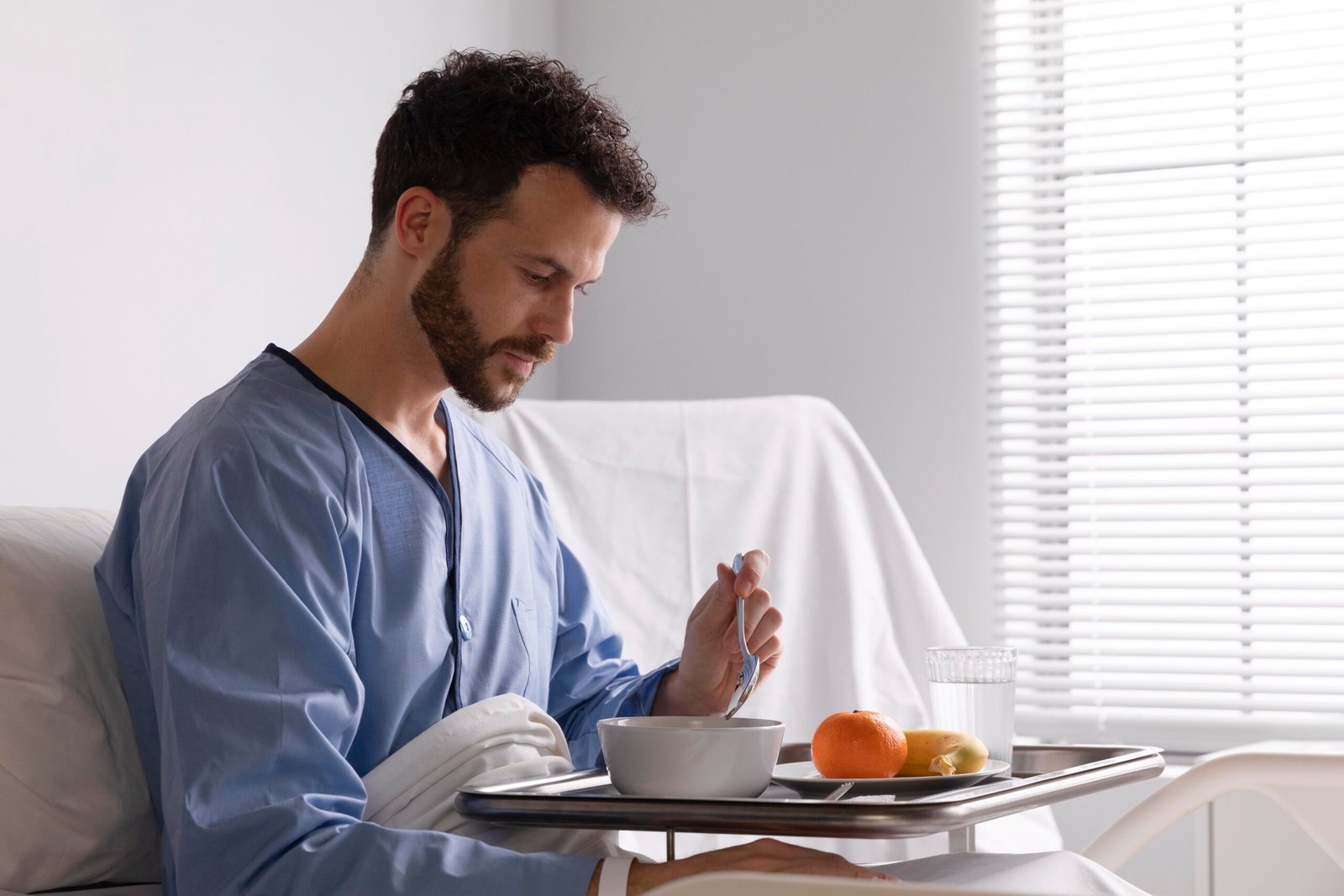
While SILS provides extraordinary cosmetic and recovery advantages, patient safety is always the highest priority at Meyash Hospital:
Ideal Candidates for SILS:
• Patients with symptomatic gallstones, biliary colic, or early appendicitis.
• Individuals with normal to moderately elevated Body Mass Index (BMI < 32 kg/m²).
• Patients without extensive prior upper abdominal open surgeries (minimal intra-abdominal adhesions).
• Young adults, models, athletes, and professionals who prioritize zero visible abdominal scarring.

When Standard Multi-Port Laparoscopy Is Preferred:
• Severe acute gangrenous or empyematous cholecystitis with dense fibrotic adhesions.
• High morbid obesity (BMI > 40 kg/m²) where deep abdominal wall thickness compromises single-port pivot arcs.
• Patients with complex cirrhotic portal hypertension or bleeding coagulopathies.
The Haryana Regional Patient Catchment Pathway
Patients travel to Meyash Hospital from across Haryana, including Sirsa, Fatehabad, Bhiwani, Jind, Rohtak, Kaithal, and Hansi, specifically seeking Dr. Singla’s single-incision surgical expertise.
To streamline the outstation experience:
- Pre-Arrival Image & Ultrasound Triage: Patients can share abdominal ultrasounds and clinical history via our WhatsApp desk at +91 99965 70151 to determine preliminary SILS candidacy.
- Fast-Track Same-Day Workup: On arrival at Sector 9-11 Hisar, pre-op laboratory testing and anesthesiology clearance are finalized within 60 minutes.
- Daycare Discharge Protocol: SILS procedures are completed in 30 to 45 minutes under general anesthesia. Patients mobilize and take oral liquids within 4 hours and return home comfortably the following morning.
- Complete Insurance Empanelment: All major private health insurance providers and corporate TPAs cover SILS under standard laparoscopic daycare surgery benefits with cashless processing.
Frequently Asked Questions (FAQs)
Q1: Will I have any visible scar after SILS surgery?
No. Because the single 15mm to 20mm incision is made entirely within the interior folds and natural creases of your belly button, the scar folds inward into the umbilical recess as it heals. Once full healing occurs within 3 to 6 months, the surgery is virtually undetectable to the naked eye.
Q2: Does SILS hurt less than traditional keyhole surgery?
Yes. Because traditional laparoscopy requires making 3 or 4 separate incisions through abdominal wall muscles across different quadrants of the torso, patients experience multiple points of soreness. With SILS, trauma is confined to a single midline entry point that naturally possesses fewer sensory nerve endings than the lateral muscular abdominal walls.
Q3: What happens if unexpected complications or dense adhesions are found during SILS?
Patient safety is paramount. If Dr. Yashpal Singla encounters unexpectedly severe inflammation, abnormal vascular anatomy, or dense scar tissue from a prior unnoticed infection, additional 5mm micro-ports can be seamlessly added to convert the operation into standard multi-port laparoscopy. Converting from SILS to multi-port laparoscopy is not considered a complication; it is a sound clinical decision that ensures absolute safety.
Q4: When can I return to work and resume exercise after SILS?
Most patients resume light desk work, college classes, and sedentary office routines within 48 to 72 hours. Light walking begins on the day of surgery. Gym workouts, intense aerobics, and lifting heavy weights should be paused for 3 to 4 weeks to allow the umbilical fascial closure to reach maximum tensile strength.
Q5: How much does SILS cost in Haryana?
At Meyash Hospital in Hisar, SILS packages are transparent and highly competitive—typically costing 40% to 50% less than corporate hospital networks in Delhi, Gurugram, or Chandigarh. The surgery is fully eligible for cashless Mediclaim processing across all major health insurance policies.
Schedule Your SILS Consultation with Dr. Yashpal Singla
If you need gallbladder or appendix surgery and wish to avoid permanent abdominal scars, consult Dr. Yashpal Singla at Meyash Hospital to determine if Single Incision Laparoscopic Surgery (SILS) is the ideal treatment for you.
Medically Reviewed & Authored by: Dr. Yashpal Singla, Chief Laparoscopic & General Surgeon Meyash Hospital, Sector 9-11, Hisar, Haryana Credentials: Senior Consultant in Advanced Laparoscopic, SILS, Bariatric & Laser Proctology Surgery
- Hospital Address: NH3 and NH4, Sector 9-11, Hisar, Haryana – 125005
- SILS Helpline & Inquiries: +91 99965 70151 | 09996183042
- OPD Timings: Monday to Saturday: 10:00 AM – 7:00 PM (Emergency 24/7)
- Book an Online Appointment: Meyash Hospital Appointment Booking