> Weightregain following bariatric surgery affects approximately 15% to 25% of patients within 3 to 7 years after their primary procedure, caused by a combination of anatomical stomach pouch stretching (sleeve dilation), hormonal counter-adaptation (rebound ghrelin and blunted satiety signals), or persistent gastroesophageal reflux disease (GERD). When structured nutritional recalibration and anti-obesity medical therapies fail to halt weight regain or when recurrent Type 2 diabetes reappears, revisional bariatric surgery in Haryana at Meyash Hospital, Hisar provides a safe, definitive metabolic reset. Under Chief Bariatric Surgeon Dr. Yashpal Singla, laparoscopic conversion of a stretched sleeve into a Roux-en-Y Gastric Bypass (RYGB) or Duodenal-Ileal Switch restores biological fullness, permanently resolves acid reflux, and enables patients to lose an additional 50% to 70% of regained weight.
Weight Regain After Bariatric Surgery: Causes, Solutions & Revisional Surgery in Haryana
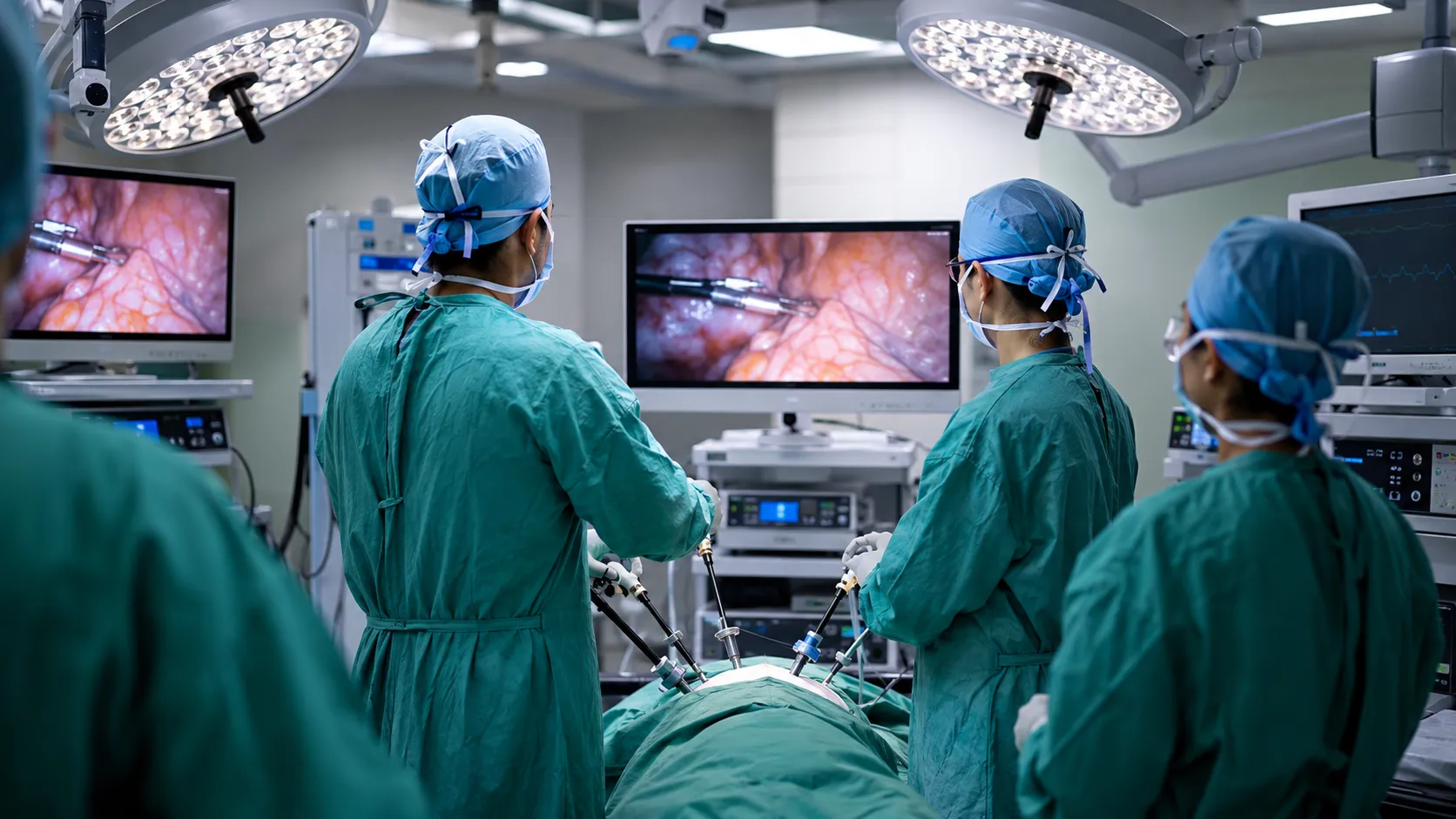
Undergoing bariatric surgery is a life-altering medical milestone. For the vast majority of patients, the first two to three years following a laparoscopic sleeve gastrectomy or gastric bypass are nothing short of miraculous: excess weight drops rapidly, hypertension normalizes, continuous positive airway pressure (CPAP) machines for sleep apnea are discarded, and severe Type 2 diabetes frequently enters total clinical remission.
However, clinical medicine recognizes that obesity is a chronic, progressive biological disease—not a lack of willpower.
For patients living across Haryana—including Hisar, Rohtak, Sirsa, Fatehabad, Bhiwani, and Jind—who had a primary bariatric procedure performed five, eight, or ten years ago in Delhi, Jaipur, or local nursing homes, a distressing reality can develop: the bathroom scale starts creeping upward. A patient who lost 50 kilograms may slowly regain 15, 20, or even 30 kilograms over several years. In tandem, old comorbid health conditions like rising blood sugars, joint pain, and severe burning acid reflux (GERD) begin to resurface.
Experiencing post-bariatric weight regain frequently triggers devastating feelings of guilt, shame, and personal failure. Many patients withdraw from their doctors, mistakenly believing they “failed the surgery.”
The truth is: You did not fail. In most cases, the surgical anatomy or hormonal mechanics altered over time.
At Meyash Hospital, Sector 9-11, Hisar, Chief Bariatric & Laparoscopic Surgeon Dr. Yashpal Singla provides an advanced, compassionate Revisional Bariatric Care Pathway, combining cutting-edge diagnostic imaging with specialized keyhole revision procedures to help patients safely restart their weight loss and metabolic health.
The Pathophysiology: Why Does Weight Regain Occur After Bariatric Surgery?
Long-term weight regain is driven by complex anatomical, physiological, and behavioral mechanisms working simultaneously:
The Multifactorial Drivers of Bariatric Weight Regain:

1. Anatomical Stomach Pouch Dilation (Sleeve Stretching)
   The human stomach is a muscular, highly distensible organ. A gastric sleeve initially calibrated to hold 90ml to 120ml of food can gradually stretch over 5 to 7 years to hold 250ml to 350ml+, requiring larger food volumes to trigger physiological stretch receptors.

2. Adaptive Thermogenesis & Hormonal Counter-Regulation
   The human hypothalamus constantly attempts to defend its highest historical weight ("set-point"). As body fat falls, the brain responds by lowering basal metabolic rate (BMR) and upregulating hunger hormones like ghrelin while decreasing peptide YY (PYY) and GLP-1 satiety signals.

3. The "Acid Reflux Grazing" Cycle (Post-Sleeve GERD)
   Patients who develop severe post-sleeve acid reflux frequently discover that drinking liquid calories or grazing on soft, carbohydrate-dense snacks (biscuits, sweets, milkshakes) temporarily coats the stomach and relieves burning acid discomfort, inadvertently adding 800 to 1,200 hidden calories daily.

4. Gastro-Gastric Fistula or Pouch Enlargement (Post-Bypass)
   In gastric bypass patients, a microscopic channel (fistula) can occasionally open between the small stomach pouch and the remnant excluded stomach, allowing food to bypass the restrictive and malabsorptive limbs.

5. Incomplete Initial Surgical Resection
If the primary surgeon left behind excessive gastric fundic tissue near the angle of His, that un-resected stomach pouch continues to produce high volumes of ghrelin, the hunger-stimulating hormone. 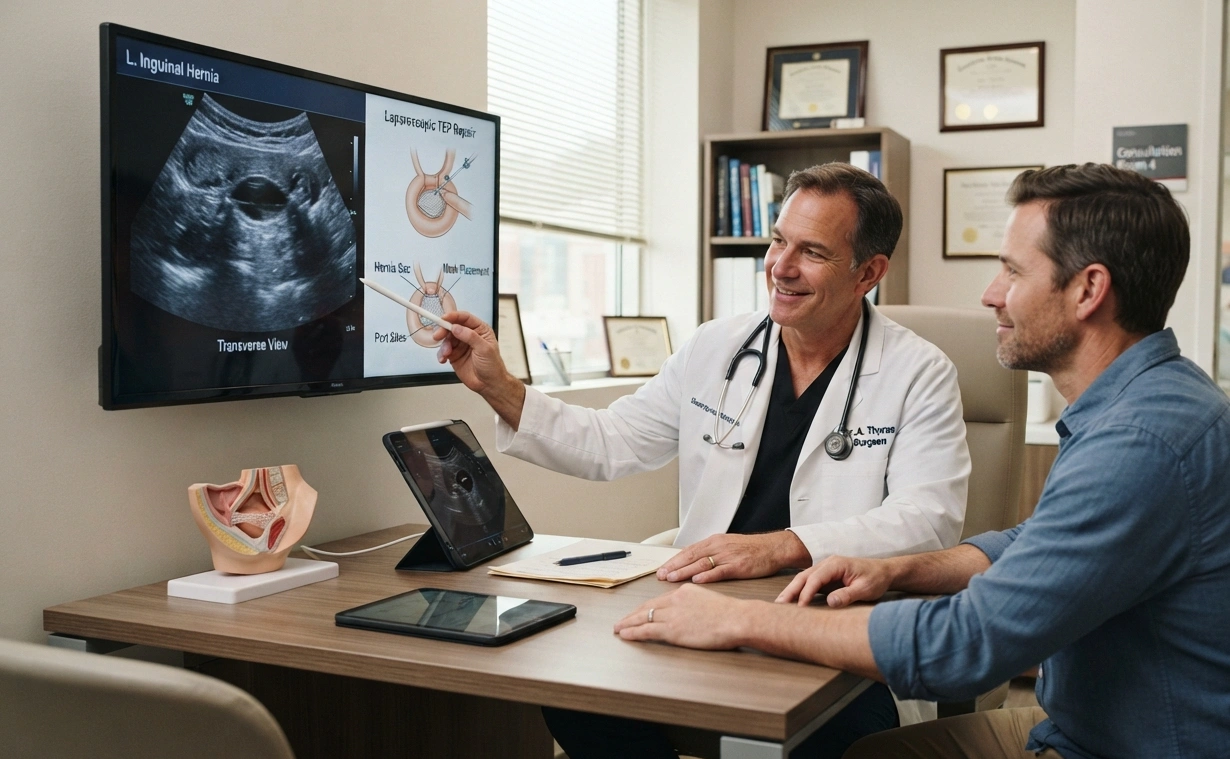
When Is Bariatric Revision Medically Indicated?
Not every minor weight fluctuation justifies a second surgery. Revisional surgery is evaluated based on established American Society for Metabolic and Bariatric Surgery (ASMBS) and Obesity Surgery Society of India (OSSI) clinical criteria:
- Significant Weight Regain: Regaining more than 20% to 25% of the total excess weight initially lost after surgery.
- Inadequate Primary Weight Loss: Failing to lose at least 50% of initial excess weight within 2 years of the primary procedure.
- Relapse of Metabolic Comorbidities: Recurrence of uncontrolled Type 2 diabetes mellitus, severe hypertension, fatty liver (NASH), or sleep apnea.
- Intractable Medical Complications: Severe, medication-resistant acid reflux (GERD), bile gastritis, esophageal stricture, or Barrett’s esophagus.
- Hardware Complications: Slippage, erosion, or intolerance of an older Laparoscopic Adjustable Gastric Band (Lap-Band).
Surgical Options for Revisional Bariatric Surgery at Meyash Hospital
Revisional bariatric surgery is vastly more complex than a primary operation, requiring an advanced surgical skill set to navigate prior abdominal scar tissue and altered anatomy. Dr. Yashpal Singla customizes the revision based on exact diagnostic findings:
Revisional Surgical Options at Meyash Hospital Hisar:

Option 1: Conversion of Gastric Sleeve to Roux-en-Y Gastric Bypass (RYGB) - THE GOLD STANDARD
• Primary Indication: Weight regain accompanied by severe acid reflux (GERD) or recurrent diabetes.
• Mechanism: The dilated gastric sleeve is trimmed into a small 30ml gastric pouch, and a Roux limb of jejunum is connected to it.
• Clinical Outcome: Completely eliminates acid reflux (100% cure rate) and induces powerful GLP-1 hormone surges to restart rapid weight loss.

Option 2: Conversion of Sleeve to Single Anastomosis Duodeno-Ileal Bypass (SADI-S)
• Primary Indication: Extreme weight regain without severe acid reflux.
• Mechanism: Re-trims the sleeve and adds a distal intestinal bypass, creating powerful metabolic malabsorption while preserving the pyloric valve.

Option 3: Laparoscopic Re-Sleeve Gastrectomy
• Primary Indication: Isolated upper gastric pouch (fundus) dilation where reflux is completely absent and the lower sleeve remains calibrated.
• Mechanism: Laparoscopic trimming of the dilated fundic pouch over a calibration bougie, removing redundant ghrelin-producing tissue.

Option 4: Lap-Band Removal with Immediate or Staged Conversion to Bypass/Sleeve
• Primary Indication: Patients with older adjustable gastric bands causing chronic dysphagia, vomiting, or port infections. 
Comprehensive Clinical Comparison: Primary vs. Revisional Bariatric Surgery
| Clinical Parameter | Primary Sleeve Gastrectomy | Revisional Surgery (Sleeve to Bypass) | Medical Anti-Obesity Therapy Alone |
|---|---|---|---|
| Surgical Field | Virgin, unscarred anatomy | Altered tissue planes with dense adhesions | Non-surgical |
| Surgeon Experience Level | Standard bariatric surgical training | Advanced tertiary bariatric & revisional mastery | Clinical endocrinologist |
| Acid Reflux (GERD) Resolution | May worsen reflux in 15–20% of patients | 98% to 100% complete cure of GERD | Partial, temporary relief with PPIs |
| Excess Weight Loss Reset | 60% to 75% excess weight lost | Additional 50% to 70% excess weight lost | 10% to 15% weight loss while on medication |
| Hospital Stay (ERAS) | 24 to 48 Hours | 48 to 72 Hours | Outpatient clinic visits |
| Long-Term Durability | High, but susceptible to dilation over decade | Exceptional long-term durability | Requires lifelong continuous medication |
Diagnostic Workup Protocol Before Revision at Meyash Hospital
At Meyash Hospital, no patient is rushed into surgery. Dr. Singla utilizes a comprehensive 4-stage diagnostic roadmap to identify the precise anatomical and physiological root cause of regain:
- Upper GI Barium Swallow / Water-Soluble Contrast Series: Dynamic fluoroscopic X-rays map the exact anatomical volume of the stomach pouch, gastric emptying speed, and rule out anatomic blockages or twisting.
- High-Definition Upper GI Endoscopy: Directly visualizes the gastric mucosa to inspect for sleeve dilation, marginal ulcers, hiatus hernia, and esophageal changes (esophagitis or Barrett’s esophagus).
- Comprehensive Metabolic & Endocrine Blood Panel: Evaluates thyroid stimulating hormone (TSH), morning cortisol, HbA1c, vitamin D3, ferritin, and B12 levels to correct hormonal deficits and nutritional anemia.
- Nutritional & Behavioral Assessment: Our clinical bariatric dietitian analyzes food intake patterns, emotional grazing triggers, and identifies hidden liquid carbohydrate calories.
Fast-Track Protocol for Outstation Patients Across Haryana
Patients seeking revisional bariatric surgery travel to Meyash Hospital from across Haryana, including Rohtak, Sirsa, Fatehabad, Jind, Bhiwani, Kaithal, and Panipat, recognizing that secondary bariatric procedures require specialized surgical mastery.
To make outstation travel seamless:
- Pre-Arrival Video & Records Triage: Patients can share previous bariatric operative notes and endoscopy reports via our clinical helpline at +91 99965 70151 for preliminary review by Dr. Singla.
- Coordinated 1-Day Workup: Barium swallow, endoscopy, and pre-anesthetic clearance are coordinated during a single pre-scheduled hospital visit.
- ERAS Fast-Track Recovery: Patients mobilize within 6 hours of surgery, sip clear fluids on Day 1, and are discharged home comfortably on Day 2 or 3.
- Long-Term Digital Follow-Up: Continuous tele-nutrition monitoring and body composition tracking allow outstation patients to receive expert post-op care from the comfort of their homes.
Frequently Asked Questions (FAQs)
Q1: Is revisional bariatric surgery more dangerous than the first operation?
Revisional surgery is technically more demanding than primary surgery due to internal scar tissue (adhesions). However, when performed by a dedicated senior bariatric surgeon like Dr. Yashpal Singla using 4K laparoscopic magnification and ultrasonic harmonic sealers, modern revisional procedures have complication rates comparable to primary surgery.
Q2: How much weight can I expect to lose after a revisional bariatric surgery?
Most patients undergoing conversion from a dilated sleeve to a Roux-en-Y Gastric Bypass or SADI-S lose between 50% and 70% of their regained weight, typically dropping 15 to 30+ kilograms within the first 12 months after revision while gaining permanent relief from heartburn and diabetic flare-ups.
Q3: Why does converting a gastric sleeve to a bypass cure acid reflux?
In a gastric sleeve, the stomach is a high-pressure tube with a closed pyloric valve at the bottom, forcing acidic stomach juices upward into the esophagus. A gastric bypass creates a low-pressure pouch with a free-draining connection directly to the small intestine. Acid and bile cannot flow upward against gravity, curing reflux almost immediately.
Q4: Can I restart weight loss with newer GLP-1 injections instead of surgery?
In some patients with mild weight regain (less than 10 kg) and an anatomically intact stomach pouch, GLP-1 receptor agonist medications combined with nutritional restructuring can be effective. However, if diagnostic endoscopy confirms that your sleeve has physically stretched to two or three times its normal size, medications provide only temporary appetite suppression; surgical revision is required to permanently restore biological fullness.
Q5: Is revisional bariatric surgery covered under health insurance in Haryana?
Yes. Under IRDAI health insurance regulations, bariatric and metabolic surgery is recognized as a medically necessary treatment for patients with life-threatening obesity and associated comorbidities (diabetes, hypertension, sleep apnea). Meyash Hospital provides complete cashless Mediclaim processing for eligible patients.
Take the Next Step Toward Your Metabolic Reset in Hisar
Do not allow post-bariatric weight regain or burning acid reflux to steal your health, vitality, and peace of mind. Consult Dr. Yashpal Singla at Meyash Hospital to discover the right medical or revisional surgical solution tailored to your body.
Medically Reviewed & Authored by: Dr. Yashpal Singla, Chief Bariatric & Laparoscopic Surgeon Meyash Hospital, Sector 9-11, Hisar, Haryana Credentials: Senior Consultant in Advanced Laparoscopic, Bariatric & Metabolic GI Surgery
- Hospital Address: NH3 and NH4, Sector 9-11, Hisar, Haryana – 125005
- Bariatric & Revisional Helpline: +91 99965 70151 | 09996183042
- OPD Consultation Hours: Monday to Saturday: 10:00 AM – 7:00 PM
- Book an Online Consultation: Meyash Hospital Appointment Portal