Breast Uplift Scars:-
Surgery to lift the breasts, sometimes known as mastopexy, is a well-known procedure that restores the shape of the breast and firmness. However, as with any other surgery that leaves scars, this one also leaves marks. Being aware of the scars from breast lifts is crucial, as it allows patients to be aware of what is expected as well as how to treat the scars and to minimize their appearance.
Scars are an inevitable aspect of healing, and although they can appear obvious at first, taking treatment and perseverance can make them less visible in time. This guide will explain all you should be aware of breast-uplift scars, covering kinds, stages of healing, and ways to lessen the visible appearance of these scars.
What Are Breast Uplift Scars?
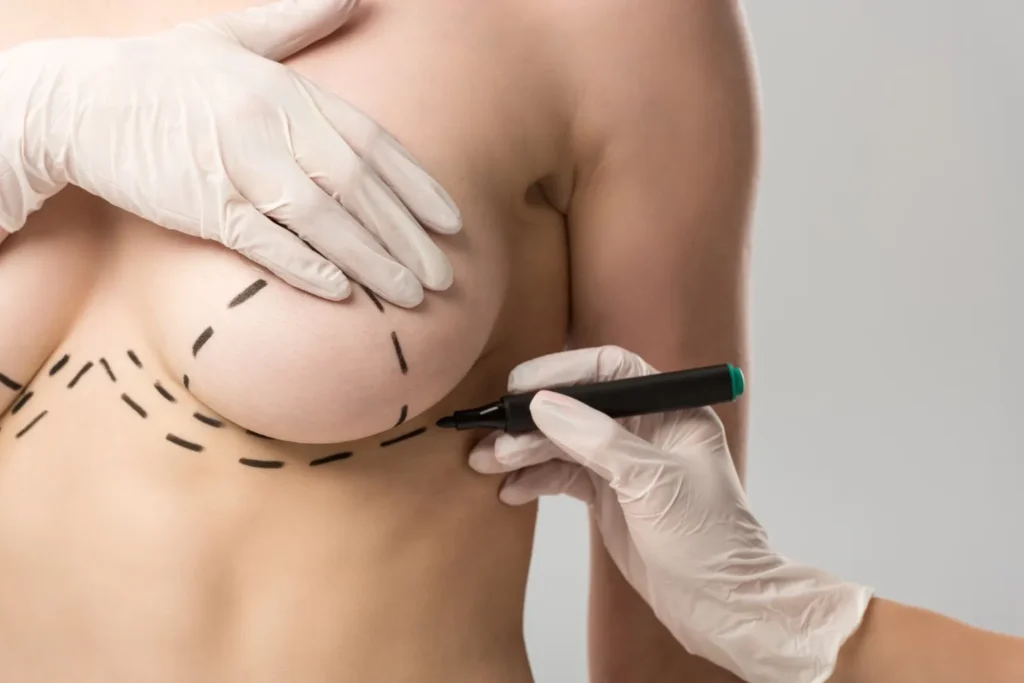
Scars of breast uplift are scars that are left on the skin following the mastopexy procedure. The scars are caused by cuts made to cut off excess skin, raise the breast tissue, and reposition the nipple.
Scars’ appearance can vary according to the technique used, the type of skin, as well as the healing abilities of each individual. Although scars aren’t totally eliminated, their appearance can be minimized by taking proper care.
Breast Uplift Scar Types
Different surgical procedures can result in various scars. The most common types of breast-uplift scars comprise:
- Anchor, or the Inverted T Scar, extends over the areola, vertically across the breast, and along the breast fold. It is used for lifting major amounts or for removing large amounts of skin.
- Lollipop and Vertical Scar. The vertical scar is around the areola, and vertically all the way to the breast crease. The scar is smaller than the anchor scar and is typically used for moderate lifts.
- Donut Periareolar Scar – Around the areola, but only. Ideal for minor lifts and little removal of skin.
Breast Uplift Scar Placement
The placement of Breast Uplift Scars is dependent upon the kind of lift as well as the amount of adjustment required:
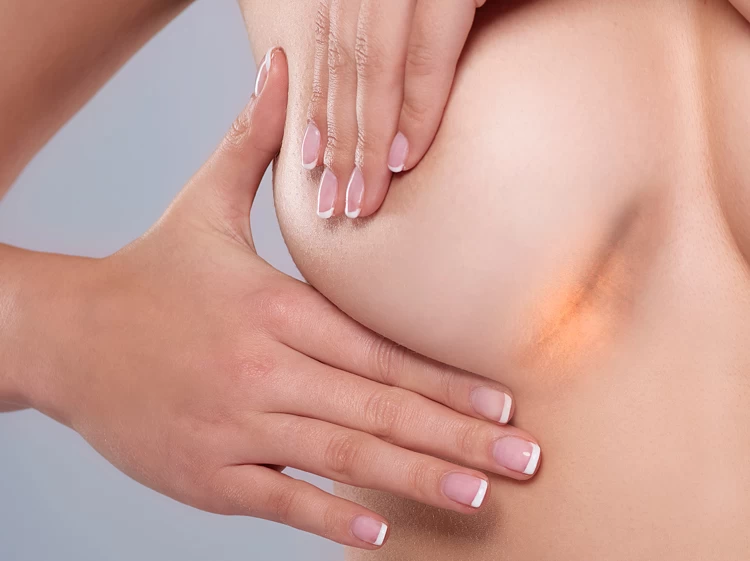
- Near the Nipple (periareolar)
- Vertically across from the top of your breast (lollipop)
- Along the breastcrease (anchor)
Strategic positioning ensures that scars are concealed in natural folds or within the area of an areola, which makes them less obvious.
Breast Uplift Scars Before and After
Following the surgery, the breast-uplift marks appear red, raised, and occasionally swollen. As time passes, they diminish and then flatten
- Before the purple, visible swelling, it is occasionally tender.
- After a few months, scars fade to white or pink. They get softer and less obvious.
Photographs of breast lift scars before and following healing can help patients establish realistic expectations.
How Long Do Breast Uplift Scars Take to Heal?
The healing process is gradual, and the timeframe varies
- Initial healing takes about 2 weeks to allow the incisions to close
- The maturation of scars takes 6-12 months to allow scars to be flat and fade
- Full-face appearance: 12-18 months for scars to develop into their final appearance
The factors that affect healing are skin type, age, nutrition, and adherence to the routines for healing scars.
Stages of Breast Uplift Scar Healing
Understanding the stages of healing can help control expectations:
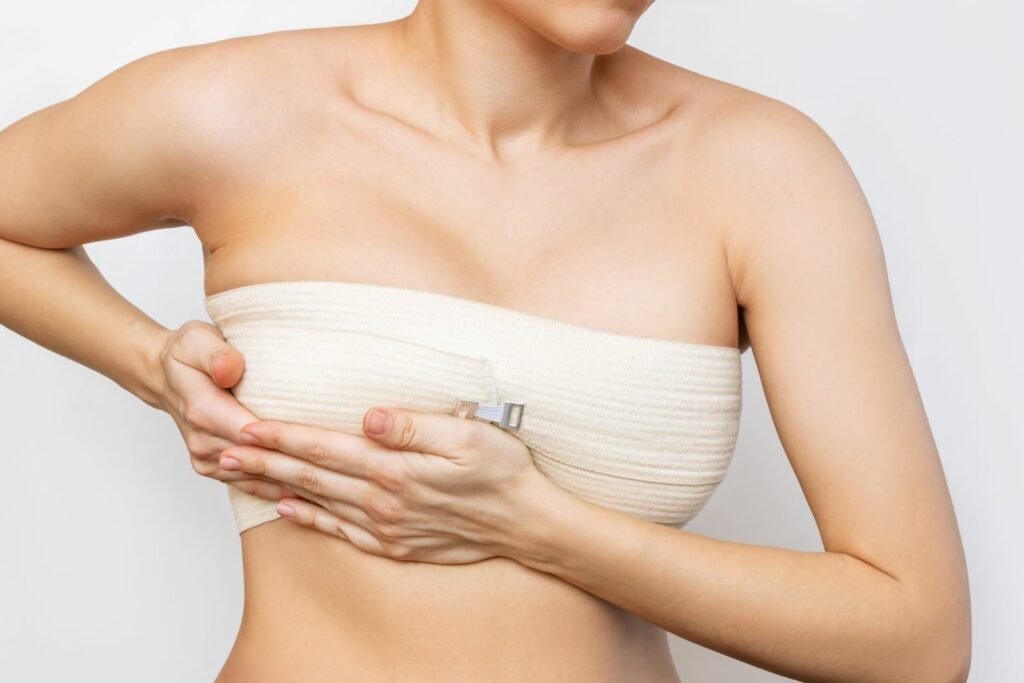
- 1. Post-operatively – Swollen, red, and tender marks. Dressings help protect the area of surgery.
- Stage 2 Stage 2: Early Healing (Weeks 1 – 6) – Scars start to heal, but redness may persist, and itching is typical.
- Stage 3 Intermediate Healing (Months 2-6) – Scars flatten, redness is reduced to pink. A gentle massage may help.
- Stage 4 Age-related Scar (6-12 Monthsor more) – Scars are smaller, lighter, and less apparent. Some can be visible based on the skin type.
Are Breast Uplift Scars Permanent?
Absolutely, the scars from a breast lift remain for a long time because the skin is unable to fully heal. But with the right treatment, the scars will tend to fade and will not be evident. As time passes, scars typically appear to blend in with the surrounding skin, especially if placed in a strategic location.
How Visible Are Breast Uplift Scars?
The visibility of scars is based on a variety of aspects:
- Natural pigmentation and skin type
- Healing and age-related abilities
- Techniques for removing scars and surgical techniques
- The consistency of scar care
The majority of scars are visible initially, but they gradually fade into thin lines.
Ways to Minimise Breast Uplift Scars
Patients can take active measures to minimize the appearance of scars:
- Keep the scars dry and clean to avoid infection
- Massage gently to increase circulation
- Gels or sheets of silicone to smooth out the scars
- Cover scars with sunscreen to avoid darkening.
Consistency is essential to achieve the most effective outcomes.
Scar Care After Breast Uplift Surgery
Proper post-surgery care helps scars heal well:
- Make sure the cut is clean and sanitized with a mild antiseptic
- Do not pull or stretch the skin
- Follow the instructions of your surgeon regarding dressings and the application of ointments
- Be on the lookout for unusual changes such as discharge or redness.
These steps can help reduce the risk of complications and improve the appearance of scars.
Silicone Gel for Breast Uplift Scars
Silicone gel to treat scars from breast lift is among the most effective ways to hide scars:
- Creates a protective layer on the scar
- Maintains skin’s hydration
- Reduces itching, redness, and the size of scars
Apply the method as instructed generally for a few months to achieve the best results.
Other Treatments to Reduce Scar Visibility
For more obvious scars, additional options include:
- Laser Therapy reduces redness and improves texture
- Microneedling Stimulates collagen and results in smoother skin
- Injections of cortisone can help reduce the appearance of scars
Always consult a doctor before deciding on these procedures.
Patient Tips for Faster Scar Healing
Lifestyle choices that promote health and wellness can help heal scars
- A balanced diet is high in protein, vitamins, and minerals
- Drink plenty of water to help repair the skin
- Avoid drinking and smoking cigarettes.
- Wear bras that are supportive to lessen the strain on the scars
- Avoid direct sun exposure on healing scars
These simple steps can improve how you look overall and reduce breast lift scars.
Conclusion
Scars of breast uplift are a normal result after mastopexy. While they’re not permanent, the right treatment, patience, and care for healing may make them less apparent. Different types of scars, such as anchor, lollipop, and donut scars, are positioned strategically to minimize their visibility.
The healing process is gradual and typically takes 6-12 months for scars to develop. The treatment of scars after surgery includes cleaning, application of silicone gel massage, and sun protection, which play crucial roles in reducing the appearance. Lifestyle choices such as eating well, drinking water, and abstention from smoking also aid in the healing process.
If you take care of your body with consistency with realistic goals, the majority of patients notice that their breast-lift scars disappear beautifully with time, and blend in seamlessly with the skin around them.
FAQs
1. How long will breast-uplift scars heal?
Scars from breast uplifts typically begin to heal within 2 to 3 weeks after surgery, full maturation and disappearance could take anywhere from 6 to 12 months. Each person’s healing is dependent on the skin type, age, and care.
2. Are breast uplift scars always permanent Are breast uplift scars permanent?
Yes, the scars last forever; they slowly fade and are less visible with time. A proper treatment of scars can drastically minimize the visible appearance of these scars.
3. What are the different kinds of breast scars?
The most common breast uplift scar types are anchor (inverted T) and the lollipop (vertical), as well as donut (periareolar) scars. The selection is based on the extent of lifting and the amount of removal of the skin needed.
4. How can I minimize breast scars after breast augmentation?
can reduce the appearance of breast scars through keeping your skin clean by applying sheets or silicone gel and massaging them gently, securing marks from sun damage, and observing your surgeon’s instructions regularly.
5. Does silicone gel work for breast scars from uplift?
Yes, silicone gel for breast scars from uplift helps to reduce and smooth scars, decreases redness, and stops excessive thickening. It is most effective when applied frequently for a period of time as the healing process progresses.