There’s a moment usually quiet, usually unexpected when someone with type 2 diabetes looks at their daily routine and feels the weight of it. The glucometer. The needles. The tablets lined up on the kitchen counter. The after-meal numbers that swing like a pendulum. Even the small hopes tucked between every lab report. And somewhere in that silence, a question forms. Is this forever? Or is there a way out of this maze?
That’s where metabolic surgery enters the picture. Not as a miracle. Not as a shortcut. But as a possibility, a door that didn’t exist a decade ago and now stands slightly open. A door many people are cautiously peeking through with a mix of hope and hesitation. And behind that door lies a phrase that sounds almost unreal diabetes reversal.
But the truth needs to be told carefully, slowly. Because diabetes is complicated. Lives are complicated. Outcomes aren’t flat, predictable lines. Still, somewhere in between expectations and lived experiences, there’s something undeniably real happening with these procedures. So let’s walk through it without rushing. What it means. How it works. And what the diabetes reversal surgery success rate actually looks like when the numbers become lives and the science becomes people.
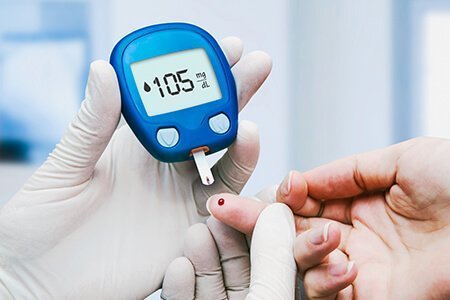
The Idea Behind Diabetes Reversal
Type 2 diabetes is deeply tied to insulin resistance. The body produces insulin, but the cells refuse to listen. It’s like shouting across a room where everyone’s wearing noise-cancelling headphones. Eventually the pancreas gets exhausted. Blood sugar rises. Medications enter the routine.
Metabolic surgery which includes procedures like gastric bypass, mini bypass, and sleeve gastrectomy does something interesting. It doesn’t just reduce weight. It changes hormones. It changes hunger signals. It changes the communication pathways between the gut, pancreas, and brain. And remarkably, in many patients, blood sugar normalizes even before significant weight is lost.
That’s when doctors use the word “remission”. Some call it reversal. It means normal blood sugar without medication. It means the system resets, at least partially. A truce between the body and the disease.
So What Is the Real Diabetes Reversal Surgery Success Rate?
Not every patient achieves remission. Not everyone maintains it. But the success stories aren’t rare, and the numbers are far from disappointing. They’re actually strong, almost surprising.
Across global studies, this is the general pattern:
• Around 60 to 80 percent of patients with type 2 diabetes achieve remission after metabolic surgery.
• Among those with diabetes for less than 5 years, the success is even higher up to 85 percent.
• The younger the patient, the better the remission chances.
• People who still produce insulin (measured by C-peptide levels) respond the best.
• Long-term remission at 10–15 years ranges from 30 to 60 percent, depending on lifestyle and follow-up.
These aren’t small numbers. These aren’t temporary improvements. They represent something meaningful an actual shift in the disease trajectory.
Why the Diabetes Reversal Surgery Works So Well
It isn’t just weight loss, although that’s part of the story. The real magic lies in the hormonal orchestra inside the gut. Here’s what shifts after surgery:
• GLP-1 levels rise dramatically
• Insulin becomes more effective
• Pancreatic function improves
• Liver fat decreases
• Gut-brain signals rebalance
This combination creates an environment where diabetes simply has less space to operate. Imagine turning down the volume of a chronic disease that has been shouting for years.
Not Everyone Experiences the Same Results
Some people walk out of this surgery with almost normal sugars in a week. Others take months. A few don’t respond as expected. Diabetes isn’t identical for everyone. There are quiet factors underneath the surface genetics, diet, stress, inflammation, pancreatic fatigue, age, body composition.
The success rate depends on:
• Duration of diabetes
• Pre-surgery insulin use
• Pancreatic capacity
• Patient’s age
• Commitment to lifestyle after surgery
Some bodies recover like a spring pulling back into shape. Others need more time, more care, more structure.
The Emotional Side That People Don’t Talk About
Diabetes can make a person feel small, cornered, dependent. There’s a heaviness that builds over the years the fear of complications, the guilt after certain meals, the exhaustion from “being careful” all the time.
Metabolic surgery doesn’t just change blood sugar. It changes the emotional landscape. It gives back a sense of control. For many, it feels like turning the clock back. Like a version of themselves they thought they lost suddenly walking back into the room.
The One Numbered List You Ask for Every Time
- Diabetes reversal surgery success rate ranges between 60 to 80 percent.
- Patients with diabetes for less than 5 years have the highest remission.
- Hormonal changes after surgery drastically improve insulin sensitivity.
- Long-term success depends on lifestyle, diet, and consistent follow-up.
- Metabolic surgery isn’t a cure, but it offers remission that medications rarely achieve.
What Happens After Surgery?
The first few weeks feel like a reset gently structured meals, lighter digestion, sugar readings dropping in ways that don’t even make sense at first glance. There’s a kind of disbelief. A cautious hope.
By the third or fourth month, most people start noticing how their body responds differently. Less hunger. Faster fullness. Steadier energy. The hormonal changes settle in like furniture rearranged inside the body.
The long-term success, though, depends on:
• Consistent protein-rich eating
• Light but regular exercise
• Avoiding mindless snacking
• Avoiding weight regain
• Staying in touch with the bariatric team
Surgery opens the door, but the patient walks through it.

The Part That Needs Honesty
Not everyone stays in remission forever. Life happens. Stress happens. Weight creeps back. Hormones shift again. Diabetes can return, but usually softer, easier to manage, more responsive to medication if it comes back at all.
Even then, most people experience far better control than before. Their HbA1c drops. Their dosage decreases. The roller coaster steadies.
The Bigger Picture
Metabolic surgery isn’t about defeating diabetes like an enemy. It’s about renegotiating the relationship. Softening it. Creating space where the body can breathe again. And for thousands of people, it’s been a turning point one that feels like stepping out of a storm into cleaner air.
If you look closely at the lives behind every statistic, you see something powerful. A chance. A shift. A possibility of living without the constant tug-of-war between food and sugar and guilt and fear.
That’s why conversations around diabetes reversal are growing louder. Not because it’s easy. But because for the first time in decades, something is working on a deeper level.
Conclusion
So when someone finally asks, What is the real diabetes reversal surgery success rate? the answer isn’t a single number. It’s a spectrum of outcomes shaped by biology, timing, commitment, and care. But if we look at the broad picture, metabolic surgery offers one of the highest remission rates available for type 2 diabetes far beyond medication alone.
Sixty to eighty percent remission isn’t just science. It’s relief. It’s hope. It’s the possibility of waking up without the rituals of diabetes dictating every morning. And even for those who don’t achieve complete remission, the improved control, reduced medications, and protection against complications make the journey worth it.
Metabolic surgery isn’t a cure, but it’s one of the closest things we have. And for many, it becomes a turning point the moment their life begins expanding again instead of shrinking around a disease.
FAQs
1. How successful is diabetes reversal surgery for type 2 diabetes?
About 60 to 80 percent of patients achieve remission, especially if diagnosed within the last 5 years.
2. Does diabetes come back after metabolic surgery?
It can return, but often in a milder form. Many patients still need fewer medications even if diabetes reappears.
3. How soon do sugar levels improve after surgery?
Some people see improvement within days because of hormonal changes, even before significant weight loss.
4. Is metabolic surgery safe for diabetics?
Yes, when done by experienced surgeons. It’s considered one of the safest abdominal procedures.
5. Will I still need medication after diabetes reversal surgery?
Some need none, some need minimal doses. It depends on how long the diabetes was present and how well the pancreas recovers.