The removal of the gallbladder is popular nowadays. A lot of people undergo this procedure due to gallstones, an infection, pain, or digestive problems. After the procedure, patients generally feel better and slowly return to normal activities. However, one question is recurring repeatedly in nearly every patient’s head: Can I Drink Alcohol After Gallbladder Removal
This is an important question because alcohol directly impacts the digestion, liver, and stomach. Following gallbladder surgery, digestion may not perform the same as it did before. That’s why drinking alcohol is difficult and stressful for a lot of people.
Naturally, we will cover many important subjects like: Drink Alcohol After Gallbladder Removal or gallbladder surgery, how long after the surgery can I consume alcohol, is alcohol safe after gallbladder surgery drinking a beer following the removal of gallbladders, drinking alcohol following gallbladder surgery, as well as the side consequences of drinking alcohol following gallbladder surgery in a simple and easy to read manner.

Understanding the Gallbladder in the Simplest Way
The gallbladder, or gallbladder, is a small organ located just beneath your liver. Its primary function is to store the bile. Bile is a liquid produced by the liver and assists in the digestion of fats. When you consume oily or fat-laden food, the gallbladder releases Bile into the intestine, and digestion becomes easier.
After the gallbladder has been removed, bile is created by the liver; however, it’s not stored. Instead, it is released directly into the intestinal tract continuously. This alteration affects digestion, particularly if you eat fatty foods or consume alcohol.
This is the reason people are more sensitive to foods and Can I Drink Alcohol After Gallbladder Removal.
What Changes in Your Body After Gallbladder Removal
After the surgery, your body is slowly adjusting to the new way that bile flows. Certain people can adjust fast, while others need longer. Digestion may feel normal after a couple of weeks, but it could be sensitive for months.
Because bile doesn’t get stored any longer, the digestion of fat is slow and, sometimes, incomplete. Alcohol can put extra pressure on the system as well as the liver. This is why doctors generally suggest avoiding alcohol for a period of time following surgery.
Can I Drink Alcohol After Gallbladder Removal?
The simple and honest solution is absolutely, it is possible Can I Drink Alcohol After Gallbladder Removal but only after a proper healing process and with moderate consumption.
Alcohol isn’t banned forever in the majority of cases following gallbladder surgery. But drinking in excess or too often could cause issues. The body requires time to heal after surgery, and alcohol may delay the process of healing.
If people ask whether alcohol is safe to drink after the removal of the gallbladder, the answer will depend on the timing, amount, and the way your body responds.
How Long After Gallbladder Surgery Can I Drink Alcohol?
A very pressing concern is what the length of time after surgery to remove gallbladders should be so that one can drink alcohol.
Doctors typically recommend patients wait for at least 4 to six weeks following the procedure before drinking any alcohol. This time frame allows healing of the internal injuries to occur and allows your digestive system the time to adjust.
In the initial few weeks following surgery, the body will be experiencing stress. Alcohol consumption during this time may cause nausea, pain, diarrhea, and other digestive issues. This is the reason drinking alcohol straight following surgery is highly discouraged.
After four to six weeks, some individuals may be able to tolerate small quantities of alcohol without issue, but others might have some discomfort. The degree of discomfort varies from individual to individual.
Is Alcohol Safe After Gallbladder Removal?
A lot of people inquire whether alcohol is safe after gallbladder removal. The answer isn’t identical for everyone.
It’s safe to drink alcohol when:
- The recovery process is completed
- You may drink alcohol occasionally
- You can drink small amounts
- You don’t have issues with digestion or the liver.
It is possible that alcohol is not safe if:
- You consume a lot of alcohol
- You drink frequently
- You may already be suffering from diarrhea, acidity, or liver problems
Therefore, alcohol isn’t danger-free. However, improper drinking could certainly cause problems.
How Alcohol Affects Digestion After Gallbladder Surgery
Alcohol irritates the stomach lining, which increases acid production. Additionally, it slows down digestion and increases strain on the liver. Following the removal of the gallbladder, your digestive system is already in a state of stress, which is why alcohol can aggravate symptoms.
A lot of people experience constipation, loose stool, gas, and stomach discomfort following drinking alcohol. The reason for this is that bile flow is constant and uncontrolled, as it was previously. Foods with fatty and alcoholic substances can cause discomfort in the digestive system.
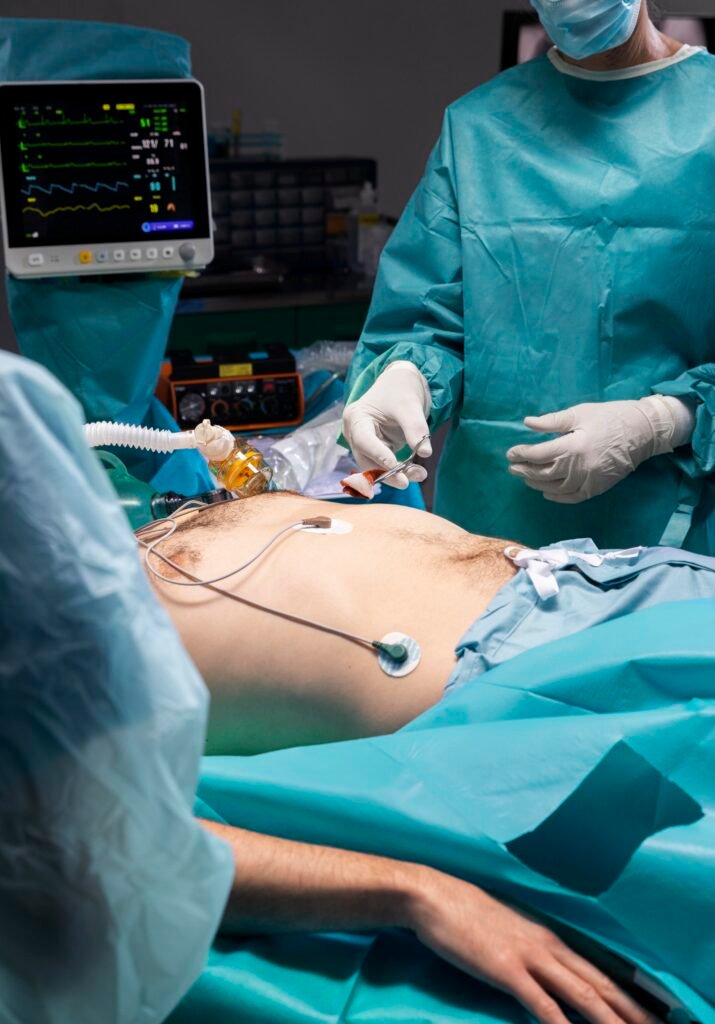
Side Effects of Drinking Alcohol After Gallbladder Surgery
The negative consequences of drinking alcohol following gallbladder surgery can range from mild to serious, based on the individual and the amount consumed.
Common adverse reactions include:
- Stomach discomfort or pain
- Bloating and gas
- Diarrhea or loose stools
- Heartburn or acid reflux
- Nausea
- Weak digestion
Certain people might be afflicted even after drinking, whereas others might feel normal. Pay attention to your body’s signals. crucial.
Drinking Beer After Gallbladder Removal
Beer is among the most popular alcoholic drinks. A lot of people are interested in drinking beer following the removal of their gallbladder.
Beer contains gas and alcohol. The gas can lead to bloating, and alcohol can irritate the digestive tract. Following gallbladder surgery, alcohol can cause discomfort, particularly during the first few months.
Some people like light beers better than strong beers. Consuming large amounts of beer could cause gas and diarrhea as well as stomach discomfort. That’s why moderation is crucial.
If you experience discomfort after drinking alcohol, you should be cautious about drinking it.
Drinking Wine After Gallbladder Surgery
Another question that is frequently asked is about drinking alcohol after the gallbladder has been removed.
The wine industry generally has less alcohol than hard liquor. Some find wine to be easier to tolerate than alcohol, like beer or spirits. But it can cause stomach irritation and acidity.
Consuming wine with a full stomach may cause discomfort. A small amount and slow drinking are the best options when you decide to consume wine.
Which Alcohol Is Hardest to Digest After Surgery
Hard liquor, such as whiskey, vodka, rum, and strong cocktails, has the highest amount of alcohol. These drinks exert maximum stress on the liver and digestive system.
Following the removal of the gallbladder, strong alcohol can cause adverse consequences. This is the reason it is best to limit or avoid the consumption of these drinks.
Tips for Drinking Alcohol Safely After Gallbladder Removal
If you choose to drink alcohol after undergoing surgery, following a few simple rules can help reduce the chance of developing problems.
- Make sure you wait at a minimum of 4 to 6 months after surgery.
- Start with a tiny amount
- Drinking alcohol on a full stomach.
- Avoid mixing different alcohols
- Drink slowly
- Do not delay if you feel uncomfortable.
These little steps can make a huge impact.
When You Should Completely Avoid Alcohol
Some people should abstain from all alcohol after gallbladder removal, in particular if they have:
- Liver disease
- Severe diarrhea after drinking
- Persistent stomach pain
- Acid reflux problems
In such cases, alcohol can worsen health issues.
Long-Term Alcohol Consumption After Gallbladder Removal
A few drinks on occasion may be acceptable for certain people. However, regular consumption of alcohol can harm the liver and cause a worsening of digestion as time passes.
The consumption of alcohol after the removal of the gallbladder is not recommended. A healthy diet and lifestyle are more important.
FAQs – Frequently Asked Questions
1. Drink Alcohol After Gallbladder Removal?
Yes, you can consume alcohol following the removal of the gallbladder; however, only after complete recovery. Drinking too soon or in large quantities can cause digestive problems or discomfort.
2. How many days after gallbladder surgery should I be drinking alcohol?
The majority of doctors recommend taking between 4 and six weeks following surgery before you drink alcohol. This allows your body time to recover and adapt.
3. Drink Alcohol After Gallbladder Removal is safe?
Alcohol is safe when it is consumed in limited amounts. A regular or prolonged drinking pattern could cause liver or digestive issues.
4. Is drinking beer after gallbladder removal safe?
Drinking alcohol after the removal of the gallbladder could result in gas, bloating, or diarrhea in certain individuals. It is advised to drink moderately and watch the way your body reacts.
5. What are the possible negative side effects of drinking alcohol after surgery to remove the gallbladder?
Some of the side effects include stomach discomfort, loose stools, acidity, bloating, and nausea. The effects vary from individual to individual.
Conclusion
Gallbladder removal can alter how your body digests alcohol and food. Should I drink alcohol Following Gallbladder Removal? Yes, but only with caution and a bit of patience. In the meantime, waiting for proper healing is essential before drinking alcohol. Wine and beer may be accepted by certain people; however, strong alcohol usually can cause issues. The effects of stomach pain and diarrhea can be expected if alcohol is consumed too soon. Be careful with your timing, moderation, and pay attention to your body’s signals, which are the key to remaining in a safe environment. Always consult your physician for advice if you’re unsure.