It usually starts with a small betrayal. A knee that hesitates when you stand up. A hip that clicks — softly at first, then with a kind of quiet thunder you pretend not to hear. Morning stiffness that lasts a little too long. That dull, persistent ache that lives somewhere between the muscles and the memories. And you tell yourself it’s age, or work, or the weather. Until one day you realize: this pain isn’t passing through your life… it’s settling into it — and you start wondering if joint replacement might finally give you back the comfort you’ve been missing.
That’s when people begin searching for answers — sometimes in the middle of the night, sometimes after limping one flight of stairs, sometimes after a doctor says, in a careful voice, “Your joint is worn out.” And suddenly joint replacement surgery stops feeling like a distant, dramatic idea and starts feeling like the only door still open.

Why Joint Pain Feels Heavier Than It Sounds
Pain changes people. Slow pain especially. It steals things quietly — long walks, staircase laughs, morning routines, the casual joy of sitting cross-legged on the floor. You begin avoiding events, chairs without armrests, roads without railings. You start calculating steps, literally and metaphorically. And somewhere along the way, life becomes smaller.
Arthritis — osteoarthritis, rheumatoid arthritis, post-traumatic arthritis — doesn’t care about your plans. Cartilage thins. Bone grinds on bone. Fluid dries. Inflammation spreads like a slow fire. All the gels, diets, syrups, and home remedies eventually lose the tug-of-war.
That’s when surgeons speak of replacements — not as an ending, but as a reboot.
Knee replacements. Hip replacements. Partial replacements. Total replacements. Robotic-assisted precision. Navigation-guided cuts. Minimal-invasive approaches. Suddenly the science feels larger than suffering.
Why Punjab Has Quietly Become a Hub for Joint Replacement
People from Delhi, Himachal, Jammu, Haryana, even NRIs returning from Canada or the UK — they all come to Punjab. Ask them why, and the answers overlap like layers of a familiar song:
- Highly skilled orthopedic surgeons trained in advanced joint replacement techniques.
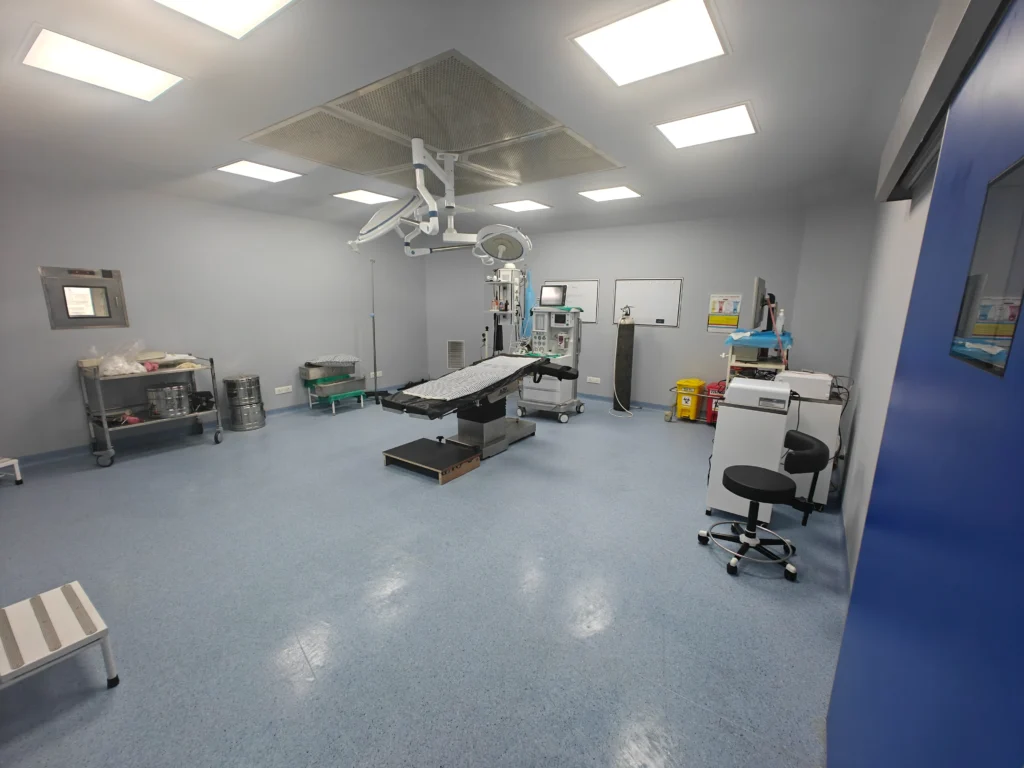
- Modern hospitals with infection-controlled operating theatres.
- Robotic and computer-navigated surgery available at reasonable costs.
- Faster appointments, smoother coordination, quicker discharge.
- Patient-first culture, the kind where someone actually listens before suggesting surgery.
- Transparent pricing, often more affordable than bigger metros.
Punjab’s medical landscape has changed — quietly, steadily — becoming a place where technology meets compassion without ego.
Understanding Surgery… Without the Drama
People imagine joint replacement as something huge. But the truth — no, the reality — is gentler. Cleaner. Almost elegant.
Knee Replacement
The damaged surfaces of the knee are resurfaced with metal and high-grade plastic, shaped to mimic natural movement. It’s less “replacing the knee” and more “polishing and perfecting the parts that failed.”
Hip Replacement
The diseased ball-and-socket joint is replaced with smooth, modern implants — ceramic, titanium, cobalt-chrome — materials strong enough to last decades, moving with a grace your old joint forgot long ago.
Partial Replacement
Only the damaged side is replaced. A focused repair, like fixing only what’s broken.
Robotic Joint Replacement
The newest wave. A robotic arm maps your joint in 3D, helping the surgeon make cuts with frightening precision — millimeters stop mattering; fractions of millimeters take over.
The stitches are small. The blood loss is tiny. The recovery — surprisingly fast. Most patients walk the same day. Yes, that still shocks people.
Faster Healing Isn’t a Marketing Line — It’s a Real Possibility
Recovery depends on technique, surgeon skill, physiotherapy, and something harder to quantify — the patient’s will. But in Punjab, the entire system is built for speed. Not reckless speed. Intentional speed.
- Smaller incisions.
- Muscle-sparing approaches.
- Pain management protocols that feel almost futuristic.
- Physiotherapy that begins almost immediately.
- Discharge within 2–3 days, sometimes sooner.
There’s a strange, beautiful moment many patients describe: the first step after surgery. Not perfect, not painless, but lighter. As if years of ache disappeared overnight. The body remembers movement — sometimes before the mind trusts it. That’s the turning point.
Choosing the Right Surgery — The Decision That Shapes Everything
This is the part people overthink and underthink at the same time. They worry: Should it be total or partial? Robotic or conventional? Ceramic or metal? And underneath: What if I choose wrong? Here’s the truth, spoken plainly: You don’t choose the surgery. You choose the surgeon. The surgeon chooses the surgery.
The right orthopedic doctor evaluates bone quality, alignment, arthritis stage, gait patterns, scans, lifestyle, age, weight, expectations — all the quiet details you can’t Google. And then they pick the procedure that gives you the best chance of reclaiming life.
Punjab has doctors who do this with honesty, not haste.
Life After Joint Replacement — A Quiet Rebirth
People expect fireworks. But the rebirth is subtle. You notice it in everyday moments:
The morning you wake up without dreading that first footstep.The day you walk without leaning.
The moment stairs stop being enemies.
The first long-distance walk you do just because the weather feels nice.
The small, sweet freedom of crossing your legs again.
Quality of life isn’t measured in grand achievements. It’s measured in things you stop fearing.
And a successful joint replacement — the right one, done at the right time, by the right surgeon — brings life back into ordinary moments.
Why Timing Matters More Than Age
People wait too long. Out of fear, confusion, or stubborn hope that pain will magically reverse. But by the time the joint is severely damaged, recovery becomes slower.
Early intervention leads to:
- better alignment
- easier physiotherapy
- quicker muscle recovery
- longer implant life
- fewer complications
Age isn’t the barrier people think it is. Health matters more than birthdays. People in their 40s, 50s, 60s, 70s — even 80s — walk beautifully after surgery when done at the right time.
Punjab’s Promise: Better Care Without Breaking Your Spirit or Savings
Joint replacement surgery in Punjab strikes a rare balance: high-end medical excellence and grounded, affordable care. A place where cutting-edge tools don’t overshadow compassion. A place where surgeons treat patients like family, not case numbers. A place where healing is possible — faster, cleaner, kinder.
If you’re standing at that crossroads where pain controls your decisions, maybe — just maybe — this is your moment to choose differently. To choose movement. To choose freedom. To choose yourself.
FAQs
1. How do I know if I need joint replacement surgery?
If pain interferes with daily activities, walking becomes difficult, or medications stop helping, it may be time for a surgical evaluation.
2. Is joint replacement surgery safe in Punjab?
Yes. Punjab has advanced orthopedic centres, skilled surgeons, and modern robotics and navigation technology ensuring excellent outcomes.
3. How long does recovery take after knee or hip replacement?
Most patients walk within a day, resume light activities in a week, and return to normal life within 4–6 weeks with proper physiotherapy.
4. What types of implants are used in Punjab?
High-quality implants such as titanium, ceramic, cobalt-chrome, and advanced polyethylene liners are used based on your age, activity level, and bone structure.
5. Can joint replacement really improve quality of life?
Absolutely. Pain reduces dramatically, mobility improves, sleep becomes easier, and patients regain the freedom to move, walk, travel, and live without constant discomfort.