Laparoscopic hysterectomy is an all-purpose and safe procedure to eliminate the uterus. Many women undergo this procedure because of issues with fibroids, bleeding that is heavy and severe pain or other medical issues. The great thing lies in the fact that this procedure can be far less painful, easier to perform and offers a quicker recovery time than traditional open surgery.
Even after all of this, one major issue always pops up:
What is the length of time that recovery takes? And when do I return home?
This article will explain everything in simple, easy-to-understand language. Learn the best practices for recovering from laparoscopic hysterectomy as well as a timeline for recovery. What to do following surgery, how to avoid, and the best way to speed up healing.
The guide is written in the style of a human, clean writing to ensure that anyone without medical expertise will be able to understand it quickly.
What Is a Laparoscopic Hysterectomy?

Laparoscopic hysterectomy can be described as an advanced procedure where the surgeon removes the uterus with an extremely small camera and instruments. Instead of making a huge cut, the surgeon creates 3-4 small cuts to the stomach.
This method can be described as:
- Less painful
- Faster healing
- Less risky
- More relaxed
- Smaller scars leave
Women who are in love with this method due to the fact that the healing process is easy and fast.
When Can You Go Home After a Laparoscopic Hysterectomy?
The majority of patients are able to return home the same the next morning, or after 24hrs after the procedure.
This is among the advantages of laparoscopic surgery. In contrast to open surgery, which requires patients to stay for 3-5 days, this modern technique lets you go home in the early hours.
Your doctor will let you leave the hospital when:
- You can walk at a slow pace
- You can eat light meals
- The normal way to pass urine is to do so.
- The pain is now under control
A lot of patients who are admitted to Meyash Hospital return home the next day depending on their health condition.
What to Expect in the First 24 Hours
It is usually the first of the days to rest. It could be that you are feeling:
- Mild stomach discomfort
- Mild shoulder discomfort (because of the gas used in surgery)
- A little bit tired
- Bloating that is mild
They’re normal and can get better by themselves.
The doctor will prescribe medication to manage pain and assist you to relax.
Laparoscopic Hysterectomy Recovery Timeline
Here’s an easy and easy-to-understand timeline
Day 1-2
- Return home from the hospital
- Begin slowly to enter the house.
- Eat light, soft food
- Pain isn’t severe and manageable.
Day 3-7
- Stitches begin healing
- Energy gradually comes back
- Walking becomes much easier
- You can bathe in a normal way
Week 2-3
- Most women feel almost normal
- Can perform some light work
- Can walk, sit and move easily
Week 4-6
- Complete healing within
- Resume full routine
- You can begin exercising lightly (only after obtaining the doctor’s approval)
The majority of women fully recover within about 4-6 weeks however, laparoscopic surgery can be a bit uncomfortable from the first day.
Top Laparoscopic Hysterectomy Recovery Tips
The following are the easiest and most efficient laparoscopic tips for recovery from hysterectomy which every woman must adhere to. These techniques will allow you to get better results and avoid complications.
1. Stroll Every Few Hours
Walking is beneficial:
- Increase blood flow
- Reduce gas pain
- To prevent blood clots
- Increase the speed of healing
It’s not necessary to travel long distances. A few short walks can suffice.
2. Eat Light, Soft, and Healthy Foods
Following surgery it is possible that your stomach will feel somewhat uneasy. Choose foods that are:
- Khichdi
- Soup
- Daliya
- Fruits
- Vegetables
- Curd
Avoid oily or spicy foods in the initial couple of days.
3. Drink Plenty of Water
Drinking water can help to prevent constipation, which is extremely important following the removal of the uterus.
Aim for:
- 8-10 glass of water
- Coconut water
- Fruit juices (not overly sweet)
4. Avoid Heavy Lifting
Do not lift anything that is heavy for at most 4 to 6 weeks. Lifting heavy loads puts stress on your stitches and could slow the healing process.
Do not lift:
- Buckets
- Bags of heavyweight
- Little children
- Grocery bags
5. Take Medicines on Time
The doctor will advise you:
- Painkillers
- Antibiotics
- Gas-relief medicines
Make sure everything is done on time to ensure an easy healing.
6. Keep the Stitches Clean and Dry
This will prevent the spread of the spread of. Follow your doctor’s instructions for cleaning.
If you notice swelling, redness or discharge, notify the doctor.
7. Avoid Straining During Toilet
Constipation can delay healing. Use:
- High-fiber foods
- Warm water
- Fruits
- Stool softeners (if doctor suggests)
8. Rest When Your Body Needs Rest
Don’t try to do too much at once. Rest is essential for your body to recover effectively. Pay attention to your body.
9. No Sex for 6 Weeks
The stitches inside your body need the time needed to heal. Do not engage in sexual activities until your doctor has approved.
10. Attend Follow-Up Visits
Follow-up checkups ensure:
- The stitches are healing
- There is no infectious disease
- You are able to return to your the normal routine
Never skip follow-up visits.
Common Symptoms After Surgery
Normal to be:
- Abdominal pain that is mild
- Spotting or light bleeding
- Weakness
- Constipation
- Gas pain
The symptoms will disappear within a couple of days.
When to Call Your Doctor?
Contact your doctor if you notice:
- A lot of bleeding
- Fever
- Severe stomach pain
- Vomiting
- Pus out of stitches
They are not common, but they do require medical care.
Benefits of Laparoscopic Hysterectomy
Laparoscopic surgery has many benefits:
- Very tiny cuts
- A little discomfort
- Faster healing
- Early discharge
- Lower risk of infection
- Rapider return to routine
- More confort
In light of these benefits Many women choose laparoscopic surgery to open surgery.
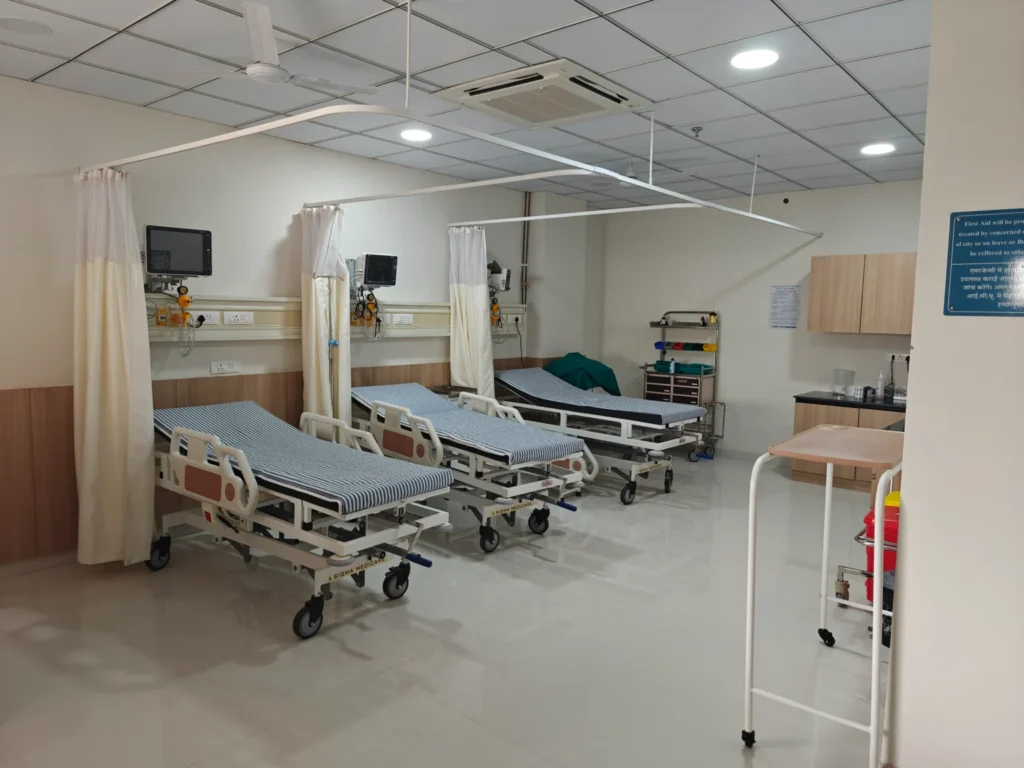
Why Choose Meyash Hospital for Laparoscopic Hysterectomy?
Meyash Hospital provides:
- Laparoscopic advancements
- Expert surgeons
- Quick and easy recovery
- Care for women that is devoted
- Modern and safe facilities
- Friendly and helpful staff.
Patients feel at ease immediately they step in to the clinic until complete recovery.
Conclusion
The recovery process following an hysterectomy laparoscopically is more straightforward than people think. With the right care and routines, women are able to resume their normal routine in just a few days. Following the correct laparoscopic hysterectomy recovery techniques helps to heal faster, smoother and more comfortable.
If you’re planning a removal of your uterus, or require more information this article provides everything you need in a simple and easy language. Always follow the doctor’s recommendations and rest as needed for optimal outcomes.
FAQs
1. When do I get home following a laparoscopic hysterectomy?
The majority of women go home that next day or within 24hrs after surgery.
2. How long will complete recovery require?
The complete recovery process takes between approximately 4-6 weeks, however you’ll start feeling more normal earlier.
3. Are laparoscopic surgeries painful?
It’s much more comfortable than an open procedure. The pain is minimal and manageable.
4. When should I begin walking following surgery?
It is possible to begin walking the day after surgery or the next day following the procedure.
5. When do I get back to work?
Women typically return to work after two weeks, contingent on the nature of their work.