Sometimes medical words sound heavier than they really are.
Laparoscopic surgery is one of those terms.
At first glance, it feels complex. Almost intimidating. But when you slow down and look closely—really look—it turns out to be simpler, gentler, and far more human than most people expect. I remember thinking the same thing the first time I heard it. Surgery is surgery, right? Big cuts. Long rest. Pain. Fear.
But no… that’s not quite right anymore.
This guide is here to explain laparoscopic surgery in the easiest way possible. No medical pressure. No fancy language. Just clear thoughts, calm explanations, and practical understanding. Something even a complete beginner—a noob—can read without stopping every few lines.
Take a breath. Let’s start.
What Is Laparoscopic Surgery?
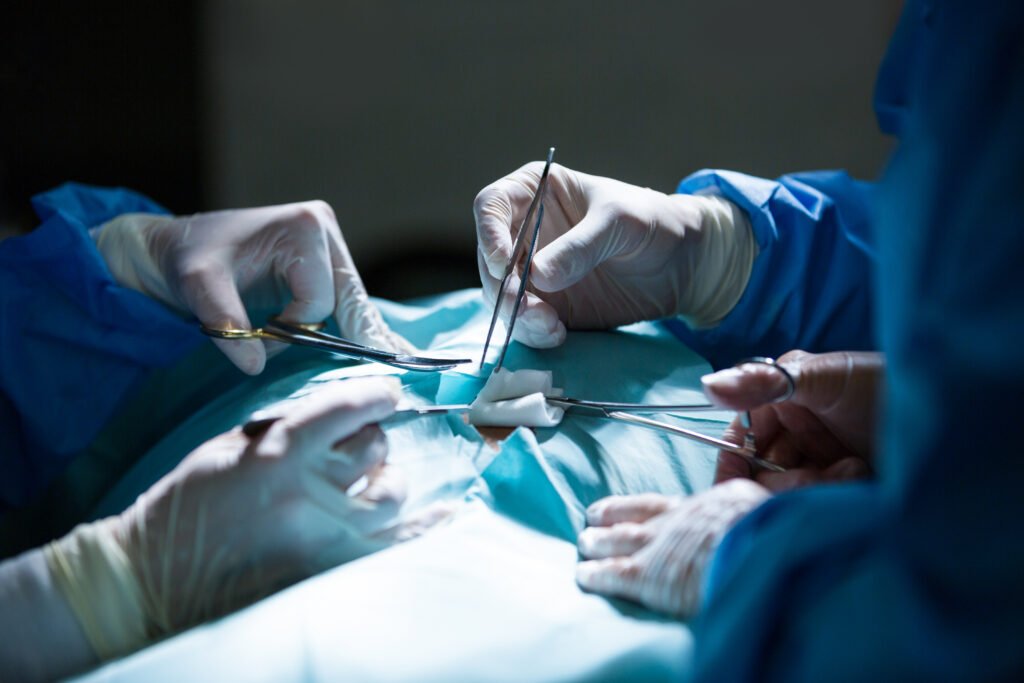
At its core, minimally invasive surgery
is a type of surgery done through tiny cuts instead of one large cut.
That’s it. That’s the heart of it.
Doctors use a thin tube with a tiny camera at the end—called a laparoscope—to see inside the body. This camera sends images to a screen. The surgeon watches that screen while working with special small instruments.
So instead of opening up a large area, everything happens quietly… precisely… through tiny openings.
People also call it:
- minimally invasive surgery
- keyhole surgery
Both mean the same thing.
And yes, it really is as gentle as it sounds.
Why Laparoscopic Surgery Exists (And Why It Changed Everything)
Traditional surgery worked. It saved lives. No question.
But it also came with a cost:
- Big cuts
- More pain
- Longer hospital stays
- Slower healing
Doctors noticed this and thought, there has to be a better way. A softer way. A way that respects the body instead of overwhelming it.
That’s where laparoscopic vs open surgery
came in.
Instead of forcing the body to recover from trauma, this approach tries to cooperate with it. Small cuts. Less disturbance. Faster return to normal life.
Not perfect. But much kinder.
How Laparoscopic Surgery Is Performed (In Simple Words)
Let’s walk through it slowly.
During laparoscopic surgery, the surgeon:
- Makes 2 to 4 very small cuts (usually less than 1 cm)
- Inserts the laparoscope through one cut
- Uses tiny tools for the other cuts
- Watches everything on a screen
- Completes the surgery with careful movements
- Closes the cuts with stitches or surgical glue
That’s the process. Clean. Controlled. Almost quiet.
You’re usually under general anesthesia, so you won’t feel or remember anything during the procedure.
Common Types of Laparoscopic Surgery
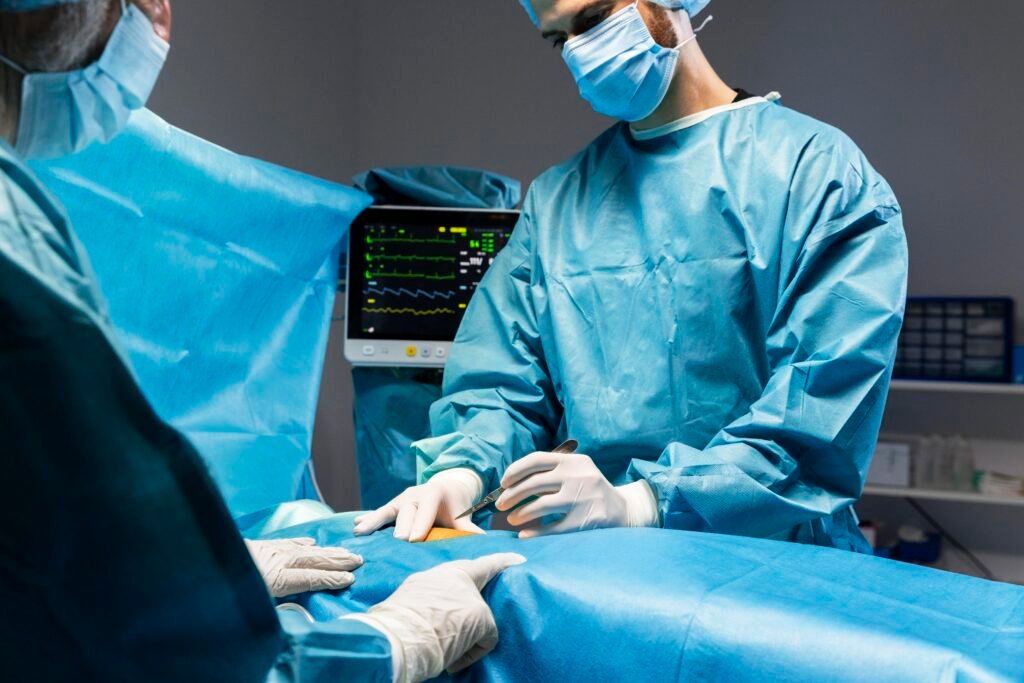
This technique is used for many conditions. Some of the most common ones include:
- Laparoscopic gallbladder surgery
- Laparoscopic appendectomy
- Laparoscopic hernia surgery
- Laparoscopic hysterectomy
- Laparoscopic ovarian cyst removal
- Laparoscopic weight loss surgery
In fact, many surgeries that once required big cuts are now done laparoscopically.
And that still feels a little miraculous, doesn’t it?
Key Benefits of Laparoscopic Surgery
This is where people usually lean forward. Because benefits matter.
The advantages of laparoscopic surgery are real, practical, and very human.
Major Benefits
- Smaller cuts on the body
- Less pain after surgery
- Lower risk of infection
- Minimal blood loss
- Faster healing and recovery
- Shorter hospital stay
- Smaller scars
- Quicker return to daily life
It’s not magic. But it’s close.
Minimally Invasive Surgery vs Open Surgery
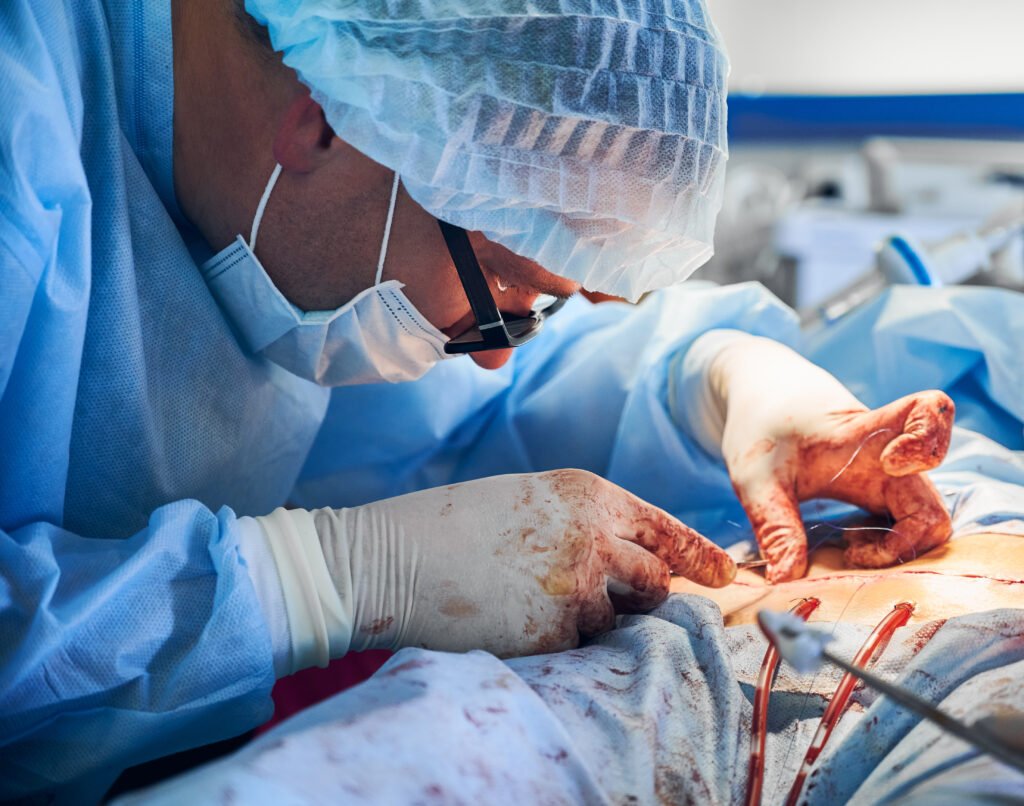
Let’s compare, simply.
Minimally invasive surgery (like laparoscopy):
- Small incisions
- Less trauma
- Faster recovery
- Less visible scarring
Open surgery:
- Large incision
- More pain
- Longer hospital stay
- Longer recovery
Doctors still choose open surgery when needed. But when both options are possible, laparoscopic surgery often wins. If you want a deeper understanding of how these two approaches differ in real-life situations, read our detailed comparison on difference between open and laparoscopic surgery.
Who Is a Good Candidate for Laparoscopic Surgery?
Not everyone. And that’s important to say.
You may be suitable if:
- Your condition is diagnosed early
- You don’t have severe complications
- You are medically stable
- Your surgeon recommends it
In some cases—like heavy internal scarring or emergencies—open surgery may still be safer.
This isn’t about trends. It’s about what’s right for your body.
Risks and Limitations of Laparoscopic Surgery
Let’s pause here. Because honesty matters.
Even though laparoscopic surgery is safer in many ways, it still carries risks: To better understand both the advantages and potential drawbacks of this approach, you can read our detailed guide on laparoscopic surgery pros and cons before making a decision.
- Bleeding
- Infection
- Injury to nearby organs
- Reaction to anesthesia
- Rare need to convert to open surgery
These risks are low—but not zero.
A good surgeon explains this clearly, without rushing. If they don’t, ask.
Preparing for Laparoscopic Surgery
Preparation isn’t dramatic. But it’s important.
Before surgery, you may be asked to:
- Do blood tests
- Get imaging scans
- Stop eating 8–12 hours before surgery
- Pause certain medicines
- Arrange post-surgery help at home
This preparation helps reduce risks and smooth recovery.
What Happens on the Day of Laparoscopic Surgery?
The day usually unfolds quietly.
- You arrive at the hospital
- Nurses prepare you
- The anesthesiologist talks to you
- Surgery happens
- You wake up in recovery
Some people feel groggy. Some feel emotional for no clear reason. That’s normal.
You’re not weak. Your body is recalibrating.
Laparoscopic Surgery Recovery: What to Expect
This part matters the most to patients.Laparoscopic surgery recovery is usually faster than open surgery—but it still needs care.
First 24–48 Hours
- Mild pain or discomfort
- Gas pain in the shoulder or chest (very common)
- Slight bloating
- Sleepiness
First Week
- Light movement encouraged
- Pain reduces daily
- Stitches heal
- Appetite returns slowly
2–4 Weeks
- Most daily activities resume
- Energy improves
- Scars fade gradually
Healing isn’t a straight line. Some days feel better. Some don’t. That’s okay.
Tips for Faster Laparoscopic Surgery Recovery
Small habits make a big difference.
- Walk gently every day
- Drink enough water
- Eat light, nutritious food
- Avoid heavy lifting
- Follow the medicine instructions
- Keep incision areas clean
- Rest without guilt
Recovery is not laziness. It’s active healing
Pain After Laparoscopic Surgery: Is It Normal?
Yes. But usually mild.
Pain after laparoscopic surgery is often described as:
- Soreness
- Tightness
- Dull ache
It’s usually manageable with prescribed painkillers. Severe pain is not normal—tell your doctor if that happens.
Scars After Laparoscopic Surgery
The scars are small. Sometimes barely visible.
Over time, they fade. For many people, they become thin, pale lines—quiet reminders of something the body passed through and survived.
Emotional Side of Surgery (Often Ignored)
This part isn’t in most guides.
Even with minimally invasive surgery, emotions can feel strange afterward:
- Relief
- Anxiety
- Sudden sadness
- Exhaustion without reason
No, you’re not imagining it.
Your body and mind are adjusting together. Give yourself grace.
Long-Term Results of Laparoscopic Surgery
Most patients return to full health with no long-term issues.
The success rate of laparoscopic surgery is high when done by experienced surgeons. Many people forget they even had surgery after some months.
That’s perhaps the biggest compliment.
Cost of Laparoscopic Surgery
The cost varies depending on:
- Type of surgery
- Hospital
- City
- Surgeon experience
- Length of stay
While laparoscopic surgery may seem expensive upfront, faster recovery often reduces overall costs like long hospital stays or lost workdays.
Choosing the Right Surgeon for Laparoscopic Surgery
This matters more than the technology.
Look for a surgeon who:
- Has experience in laparoscopic surgery
- Explains things clearly
- Answers questions patiently
- Doesn’t rush decisions
Trust grows in conversation, not certificates alone. Choosing the right hospital is just as important as selecting the right surgeon. If you are exploring trusted options, read our detailed guide on best hospital for laparoscopic surgery in Hisar to understand what defines quality surgical care.
Myths About Laparoscopic Surgery
Let’s clear a few.
- “It’s not real surgery” — false
- “Recovery is instant” — false
- “No pain at all” — false
- “Always better than open surgery” — false
Truth lives in balance.
The Future of Laparoscopic Surgery
The field continues to grow.
With better cameras, robotic assistance, and refined techniques, laparoscopic surgery is becoming even safer and more precise.
But at its heart, the goal remains simple: heal without harming.
Conclusion:
If you’re reading this because surgery is approaching—or even just a possibility—I want to say this quietly:
Fear is normal. Questions are healthy. Understanding reduces both.
Laparoscopic surgery isn’t just a medical advancement. It’s a gentler way forward. Not perfect. Not effortless. But thoughtful.
And sometimes, thoughtfulness is enough.
FAQs About Laparoscopic Surgery
1. Is laparoscopic surgery safe?
Yes, laparoscopic surgery is generally very safe when performed by trained surgeons. It has fewer complications compared to open surgery in many cases.
2. How long does laparoscopic surgery recovery take?
Most people recover within 2–4 weeks. Light activities can start earlier, depending on the type of surgery and the doctor’s advice.
3. Is laparoscopic surgery painful?
Pain is usually mild to moderate and temporary. It is much less compared to traditional open surgery.
4. Are there stitches after laparoscopic surgery?
Yes, but the stitches are small and often dissolve on their own or are removed easily.
5. Can everyone undergo minimally invasive surgery?
Not always. Some medical conditions require open surgery. Your doctor decides what is safest for you.