The idea of surgery in a child’s life feels heavy.
Even the word “surgery” carries a quiet fear. Questions start piling up — is it safe, will it hurt, will my child remember the pain, will everything be okay?
That feeling is normal. Every parent feels it.
Pediatric surgery exists for exactly this reason — to care for children gently, carefully, and with a deep understanding of how different a child’s body truly is.
This article explains pediatric surgery in very simple words. No complicated medical language. No scary terms. Just clarity, reassurance, and information you can trust.
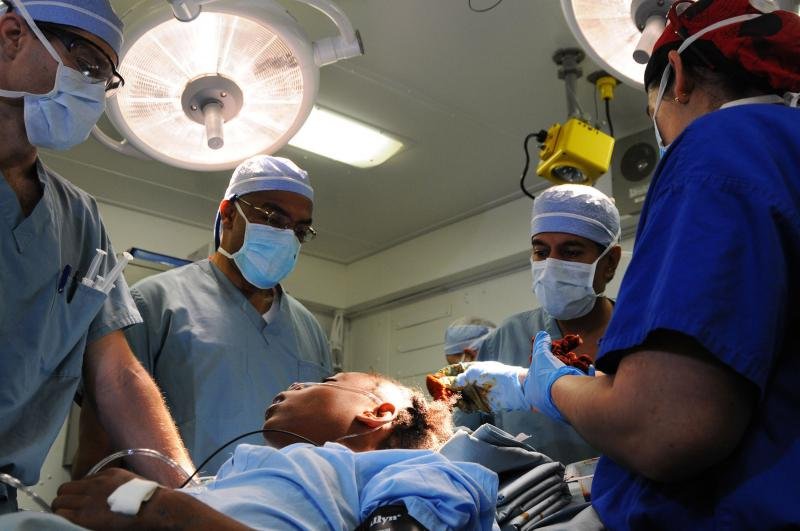
What Is Pediatric Surgery?
Pediatric urology is a medical specialty that focuses on surgical treatment for babies, children, and teenagers.
A pediatric surgeon is trained to operate on children from birth up to adolescence. Children are not “small adults.” Their bodies heal differently. Their organs grow. Their pain responses are unique.
That’s why pediatric surgical care is different — and special.
Who Is a Pediatric Surgeon?
A pediatric surgeon is a doctor who:
- Specializes in surgery for children
- Understands child anatomy deeply
- Uses child-friendly surgical techniques
- Focuses on faster healing and minimal pain
A pediatric surgery specialist also works closely with parents, because care doesn’t stop at the operation — it includes emotional support.
When Does a Child Need Pediatric Surgery?
Not every health issue needs surgery.
But some conditions require timely pediatric urology treatment to prevent future problems.
Children may need surgery for:
- Birth conditions
- Infections
- Injuries
- Growth-related issues
- Digestive problems
Early diagnosis and early care make recovery smoother.
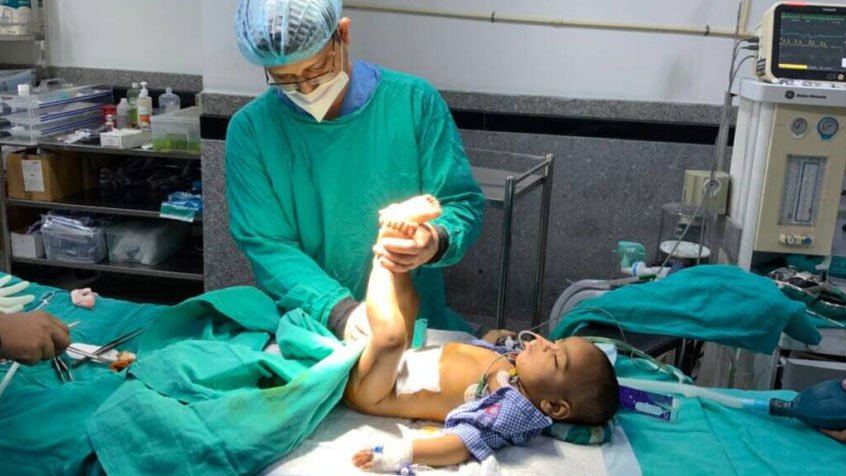
Common Conditions Treated by Pediatric Surgery
Below are the most common reasons children visit a pediatric surgeon.
1. Congenital Conditions (By Birth)
Some babies are born with conditions that need surgical correction.
Common congenital issues include:
- Hernia
- Undescended testis
- Intestinal blockage
- Birth defects of organs
A pediatric surgeon usually treats these early to support normal growth.
2. Pediatric Hernia
A pediatric hernia surgery is one of the most common procedures in children.
Signs of a hernia include:
- Swelling in the groin or abdomen
- A bulge that increases while crying
- Mild discomfort
Hernias do not heal on their own in children. Surgery is safe and effective.
3. Appendicitis in Children
Appendicitis can happen at any age.
Symptoms may include:
- Sudden stomach pain
- Vomiting
- Fever
- Loss of appetite
A pediatric appendectomy removes the appendix safely and prevents serious infection.
4. Undescended Testis
This condition occurs when one or both testicles do not move into the scrotum.
Why early pediatric surgery matters:
- Supports normal development
- Reduces fertility risks
- Lowers cancer risk later in life
A pediatric surgeon usually corrects this within the first few years of life.
5. Pediatric Circumcision
Pediatric circumcision may be done for medical, cultural, or hygiene reasons.
Medical reasons include:
- Recurrent infections
- Tight foreskin
- Urinary problems
Modern pediatric surgical care ensures minimal discomfort and fast healing.
6. Intestinal Problems in Children
Some children face digestive or bowel-related issues.
Common conditions include:
- Intestinal obstruction
- Constipation caused by structural issues
- Hirschsprung’s disease
A pediatric surgery specialist corrects these problems to improve digestion and nutrition.
7. Pediatric Trauma and Injuries
Accidents happen. Children fall, run, and climb.
In cases of severe injury, pediatric surgery treatment may be needed for:
- Internal bleeding
- Organ injury
- Fracture complications
Child-focused surgical care ensures safer outcomes.
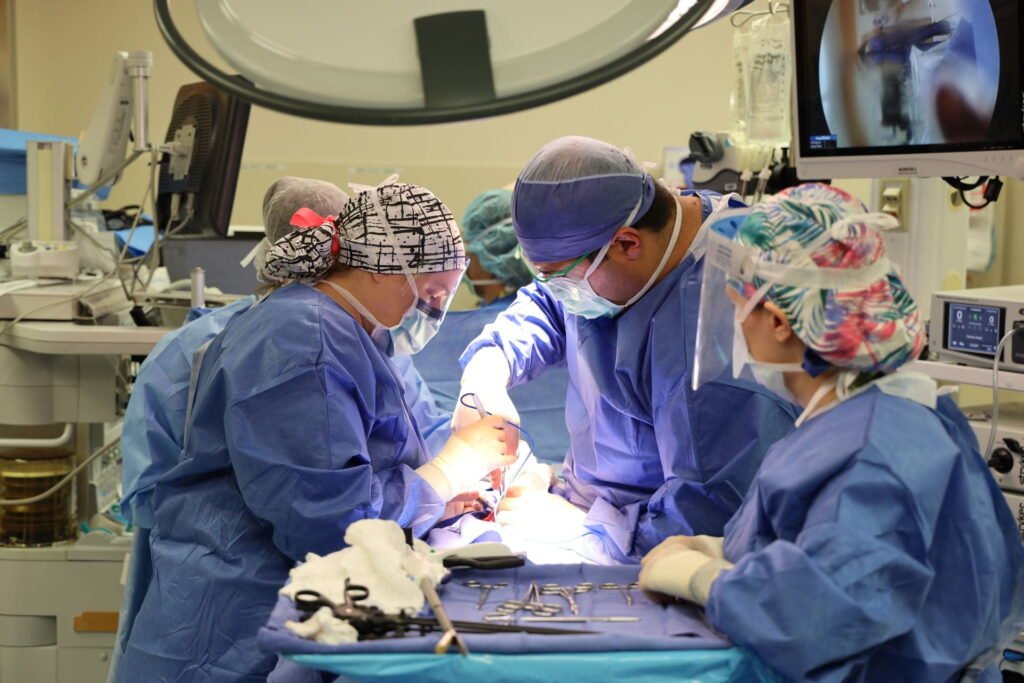
Types of Pediatric Surgery Procedures
Not all surgeries are big or complex.
Minor Pediatric Surgery
These procedures are short and often same-day.
Examples include:
- Abscess drainage
- Minor lump removal
- Circumcision
- Hernia repair
Major Pediatric Surgery
Some surgeries require a hospital stay.
Examples include:
- Abdominal surgery
- Chest surgery
- Intestinal correction
- Organ-related procedures
A pediatric surgeon carefully plans each step to reduce risk.
Is Pediatric Surgery Safe?
This is the most common question parents ask.
Yes. Pediatric surgery is very safe when performed by trained specialists.
Why is safety high?
- Child-specific anesthesia
- Advanced surgical tools
- Smaller incisions
- Constant monitoring
- Specialized recovery care
Modern pediatric surgical procedures focus on safety first.
Pediatric Anesthesia: Is It Safe for Children?
Anesthesia is often a big worry.
A pediatric anesthesiologist gives anesthesia carefully based on:
- Child’s age
- Weight
- Medical history
Children are monitored continuously during surgery. Anesthesia today is extremely controlled and safe.
Preparing a Child for Surgery
Children sense fear. They feel it even when nothing is said.
Preparation helps reduce anxiety.
Parents can help by:
- Explaining in simple words
- Avoiding scary details
- Reassuring presence
- Staying calm
Hospitals offering pediatric surgery care often have child-friendly environments.
What Happens on the Day of Surgery?
On surgery day:
- The child is admitted
- Pre-surgery checks are done
- Anesthesia is given
- Surgery is performed
- Child moves to recovery
A pediatric surgery doctor updates parents throughout.
Recovery After Pediatric Surgery
Recovery depends on the type of surgery.
Immediate Recovery
- The child wakes up slowly
- Mild pain or discomfort
- Monitoring by nurses
At-Home Recovery
Parents may be advised:
- Rest
- Proper wound care
- Medicines on time
- Follow-up visits
Children heal faster than adults — this is a quiet miracle of the body.
Pain Management in Pediatric Surgery
Pain is managed carefully.
Pain relief may include:
- Oral medicines
- Local pain control
- Comfort measures
A pediatric surgeon ensures pain stays minimal and manageable.
How Long Does Recovery Take?
Recovery time varies.
- Minor surgery: 1–7 days
- Moderate surgery: 1–3 weeks
- Major surgery: several weeks
Your pediatric surgery specialist will guide activity limits clearly.
Scars After Pediatric Surgery
Parents often worry about scars.
Modern pediatric surgical techniques use:
- Small cuts
- Minimal stitching
- Better healing methods
Most scars fade significantly as the child grows.
Emotional Support for Children
Healing is not just physical.
Children may feel:
- Fear
- Confusion
- Irritability
Parental presence matters deeply.
Comfort, routine, and patience help emotional recovery.
Why Choosing the Right Pediatric Surgeon Matters
Children deserve specialized care.
A qualified pediatric surgeon offers:
- Experience with children
- Gentle handling
- Accurate diagnosis
- Long-term care vision
Never hesitate to ask questions.
Benefits of Early Pediatric Surgery
Early treatment leads to:
- Faster healing
- Fewer complications
- Normal growth
- Better quality of life
Delaying necessary pediatric surgery treatment can make conditions worse.
Myths About Pediatric Surgery
Let’s clear common myths.
- Surgery is always dangerous — False
- Children don’t remember pain — Partly false
- All surgeries need a long hospital stay — False
- Scars remain forever — False
Modern pediatric surgery is safe, precise, and gentle.
Conclusion:
A child’s body is resilient.
Stronger than we often realize.
Pediatric surgery exists to protect that strength — quietly, carefully, and with precision.
Fear is natural. Questions are healthy. Seeking clarity is love in action.
With the right pediatric surgeon, surgery becomes not a moment of fear, but a step toward healing.
FAQs – Frequently Asked Questions
1. Is pediatric surgery safe for newborns?
Yes. Pediatric surgery is safe even for newborns when performed by trained specialists using child-specific anesthesia and monitoring.
2. Will my child feel pain after surgery?
Pain is managed carefully. A pediatric surgeon ensures proper pain relief so discomfort stays minimal during recovery.
3. How long does pediatric surgery recovery take?
Recovery depends on the procedure. Minor surgeries heal in days, while major pediatric surgical procedures may take weeks.
4. Can parents stay with the child in the hospital?
Yes. Most hospitals encourage parental presence during pediatric surgery care for emotional comfort and reassurance.
5. Are follow-up visits necessary after surgery?
Yes. Follow-ups help the pediatric surgery doctor monitor healing and prevent complications.