Plastic & Reconstructive Surgery:-
Plastic surgery is one of those phrases people lower their voice for.
As if the word itself carries judgment. As if wanting to change, repair, or rebuild something about your body is a confession rather than a choice. Late at night, when the noise settles and the mirror feels more honest, people think about it. Quietly. Carefully. Sometimes with hope. Sometimes with guilt.
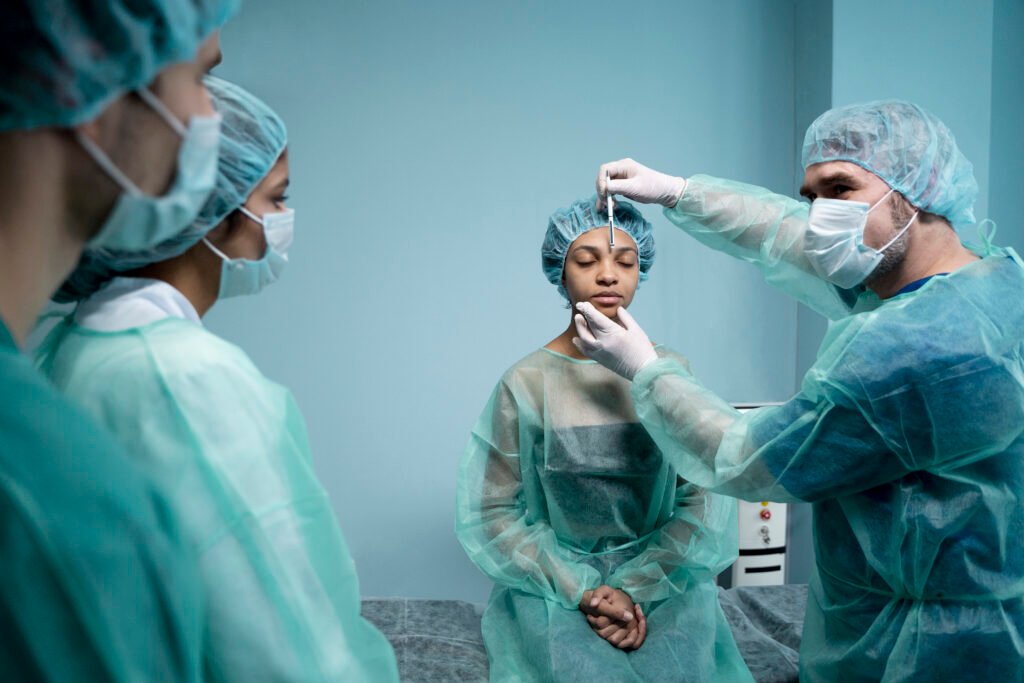
There is a strange tension around plastic and reconstructive surgery. On one side, glossy images and dramatic “before-after” stories. On the other, whispered warnings and half-truths passed from one person to another. Somewhere in between sits the real human experience. The lived one. The one that doesn’t fit neatly into praise or shame.
In cities like Hisar, conversations around plastic surgery Hisar are changing. Slowly. People are asking better questions now. Not “Should I feel bad for wanting this?” but “Is this safe?” “Is this right for me?” “Will this actually help me live more comfortably in my body?”
Because at its core, plastic and reconstructive surgery is not about vanity or perfection. It’s about alignment. Between how you feel and how you live inside your skin.
What Plastic and Reconstructive Surgery Really Mean
Plastic & Reconstructive Surgery:-
Plastic surgery is a broad term, and that’s where confusion often begins. It covers two large, overlapping worlds. Cosmetic procedures, which focus on appearance. And reconstructive surgery, which focuses on restoring function, form, or normalcy after trauma, illness, or birth conditions.
Reconstructive surgery is often invisible in popular conversation. Burn scars. Cleft lip and palate repairs. Post-cancer reconstruction. Injury-related deformities. These procedures are not about looking “better” in a superficial sense. They are about helping someone feel whole again. About restoring the ability to eat, breathe, move, or exist without constant self-consciousness.
Cosmetic surgery, on the other hand, is often misunderstood as shallow. But anyone who has lived for years feeling misaligned with their reflection knows it’s rarely superficial. The nose you hide behind your hand. The scar that pulls your attention every time you dress. The asymmetry that never lets you forget it’s there.
A good cosmetic surgery hospital understands this difference deeply. It doesn’t push procedures. It listens. It sees the person before the request.
The Quiet Benefits People Don’t Talk About
Plastic & Reconstructive Surgery:-
When people talk about plastic surgery, they focus on visible change. But the real benefits are often invisible. Subtle. Internal.
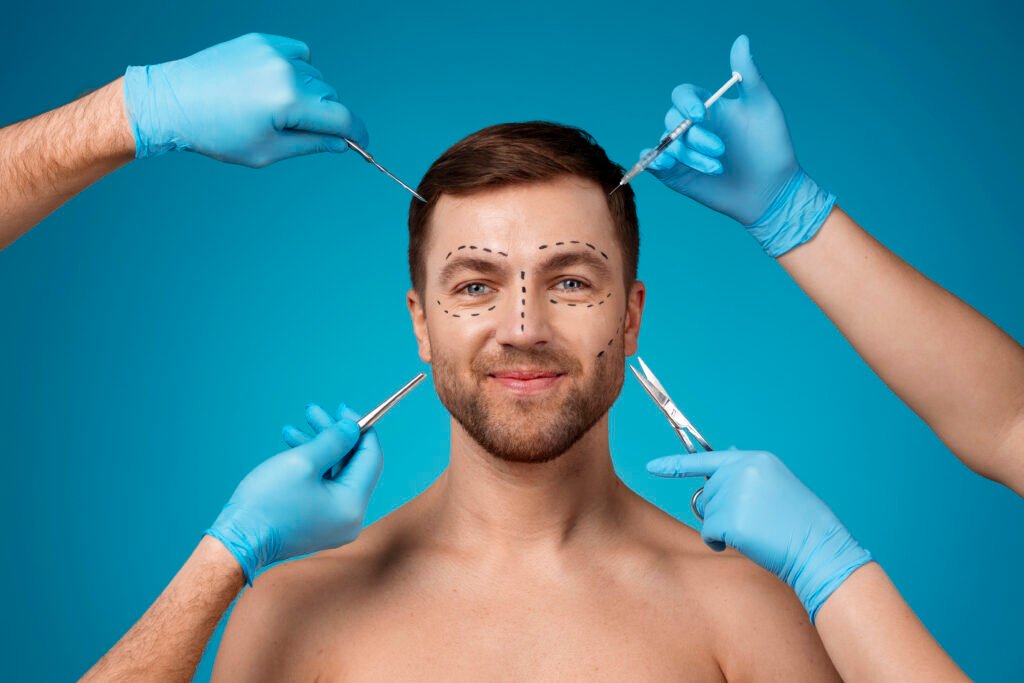
Confidence doesn’t arrive loudly after surgery. It arrives in moments. When you stop adjusting your clothes in public. When you meet someone’s eyes without thinking. When you stop planning your angles in photographs.
There is also relief. Physical relief, especially in reconstructive cases. Scar tissue that once restricted movement loosens. Breathing becomes easier. Pain reduces. Daily discomfort fades into the background.
Then there is emotional rest. The mental energy once spent managing insecurity becomes available for other things. Relationships. Work. Sleep. Peace.
In places offering plastic surgery Hisar, more surgeons are acknowledging these quieter outcomes. They know success isn’t just about symmetry. It’s about how lightly a person starts carrying themselves afterward.
Safety Is Not a Buzzword, It’s a Process
Plastic & Reconstructive Surgery:-
One of the biggest fears around plastic & reconstructive surgery is safety. And it’s a valid fear. Surgery is not casual. It involves anesthesia, healing, and risk. Anyone who pretends otherwise is not being honest.
Safety is not a promise. It’s a process. It starts with evaluation. Medical history. Expectations. Mental readiness. Physical preparedness.
A responsible cosmetic surgery hospital will say no when something isn’t right. They won’t rush. They won’t pressure. They won’t oversell outcomes. They know that surgery performed at the wrong time, for the wrong reasons, can do more harm than good.
Advances in technology, surgical techniques, Modern surgical techniques across specialties now focus on minimal invasion and faster healing. You can explore how these approaches work in our guide on laparoscopic surgery. and post-operative care have significantly improved safety over the years. Better imaging. Smaller incisions. Improved anesthesia protocols. Faster recovery paths.
But safety still depends on choosing the right hands. Experience matters. Ethics matter. Aftercare matters. Especially in reconstructive surgery, where precision and patience are everything.
The Myths That Refuse to Leave
Plastic & Reconstructive Surgery:-

Despite progress, myths around plastic surgery cling stubbornly. They survive because fear travels faster than facts.
One common myth is that plastic & reconstructive surgery makes everyone look artificial. In reality, the best work is often invisible. You notice change, but you can’t pinpoint it. That’s intentional.
Another myth is that people who choose surgery are insecure or weak. This ignores the courage it takes to confront something that has caused discomfort for years. To undergo surgery is not avoidance. It’s engagement. With your body. With your reality.
There’s also the belief that once you start, you can’t stop. That surgery becomes addictive. In truth, most patients seek one specific correction or reconstruction and then move on with their lives. The goal is closure, not endless modification.
In conversations around plastic surgery Hisar, these myths are slowly dissolving as more people share honest, grounded experiences rather than extremes.
Reconstructive Surgery Is Not Optional for Many
Plastic & Reconstructive Surgery:-
It’s important to pause here. Plastic & Reconstructive Surgery is not a luxury for many patients. It’s essential.
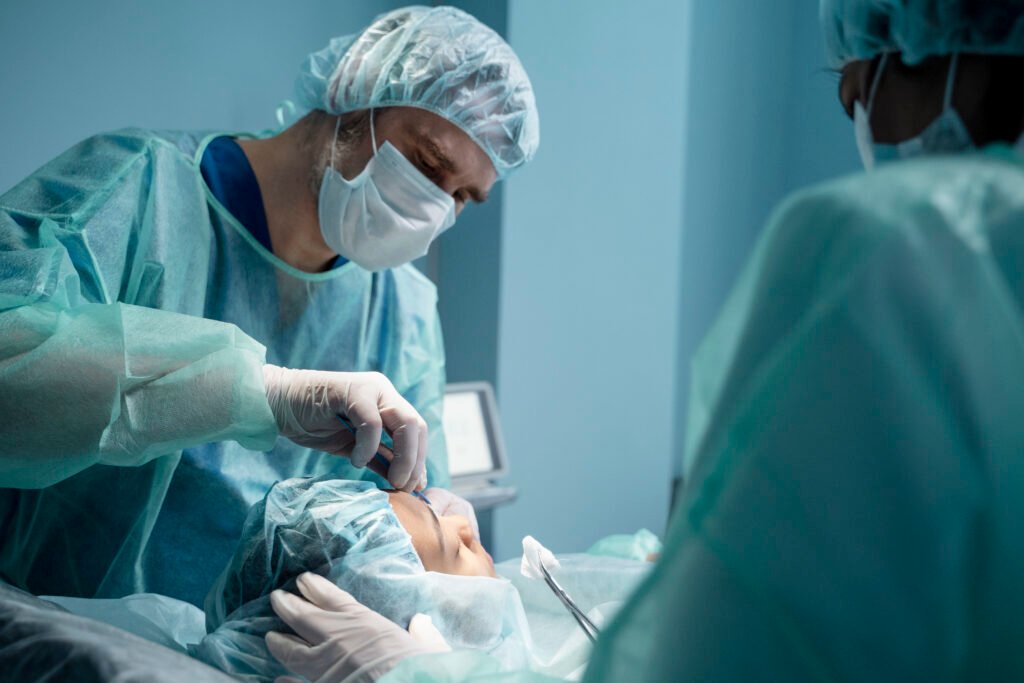
After accidents. After cancer. After burns. After congenital conditions. These surgeries help people return to work, social life, and basic comfort. They help children grow without stigma. They help adults reclaim normalcy after loss.
Yet, reconstructive procedures are often overshadowed by cosmetic narratives. This does a disservice to patients whose lives are profoundly changed by these interventions.
A skilled cosmetic surgery hospital often houses reconstructive expertise as well. The two disciplines inform each other. Aesthetic understanding improves reconstructive outcomes. Reconstructive discipline grounds cosmetic work in purpose.
Emotional Readiness Matters More Than People Admit
Plastic & Reconstructive Surgery:-
Recovery after any surgical procedure also involves proper nutrition and lifestyle care. Learn what to eat for faster healing in our guide on diet after laparoscopic surgery.
Surgery changes the body, but the mind has to catch up. This part is rarely discussed openly.
There can be a strange emotional phase after surgery. Even when results are good. Even when recovery is smooth. The brain needs time to integrate the change. To recognize itself again.
This is normal. This is human.
Good surgeons talk about this. They prepare patients. They don’t rush emotional processing. They understand that healing is not just tissue deep.
In plastic surgery Hisar, the growing emphasis on counseling, informed consent, and expectation management reflects this understanding. Surgery is a chapter, not the whole story.
Choosing the Right Place and the Right People
Plastic & Reconstructive Surgery:-
Not all hospitals are equal. Not all surgeons are aligned with your needs.
Choosing a cosmetic surgery hospital is not about luxury interiors or marketing promises. It’s about transparency. About how questions are answered. About whether your concerns are taken seriously or brushed aside.
Trust your discomfort. Trust your instincts. If something feels rushed or dismissive, it probably is.
The right environment feels steady. Calm. Professional. Human.
Especially for reconstructive surgery, long-term follow-up and support are as important as the procedure itself. If you are exploring surgical options, choosing the right hospital is equally important. You can also read our guide on the best hospital for laparoscopic surgery in Hisar to understand what defines quality surgical care.
Conclusion
Plastic and reconstructive surgery live at the intersection of medicine and emotion. Of science and self-perception. It’s not shallow. It’s not magical. It’s not something to be feared or glorified.
It’s a tool. One that can restore function, ease suffering, and help people feel at home in their bodies again.
When approached with honesty, care, and the right support, whether through plastic surgery Hisar, a trusted cosmetic surgery hospital, or life-changing reconstructive surgery, it becomes less about changing who you are and more about returning to yourself.
Quietly. Gently. On your own terms.
FAQs
1. Is plastic surgery safe today?
When performed by qualified surgeons in a reputable cosmetic surgery hospital, plastic surgery is significantly safer today due to advanced techniques and strict protocols.
2. What is the difference between cosmetic and reconstructive surgery?
Cosmetic surgery focuses on appearance, while reconstructive surgery restores function or form after injury, illness, or congenital conditions.
3. How do I know if plastic surgery is right for me?
It’s right when the motivation is personal, well-considered, and discussed openly with an experienced surgeon who prioritizes your well-being.
4. Are results permanent?
Many results are long-lasting, but aging and lifestyle factors continue. Surgery enhances, it doesn’t freeze time.
5. Where can I explore safe plastic surgery options in Hisar?
Several centers offering plastic surgery Hisar now provide ethical, patient-focused care with modern surgical standards and comprehensive aftercare.