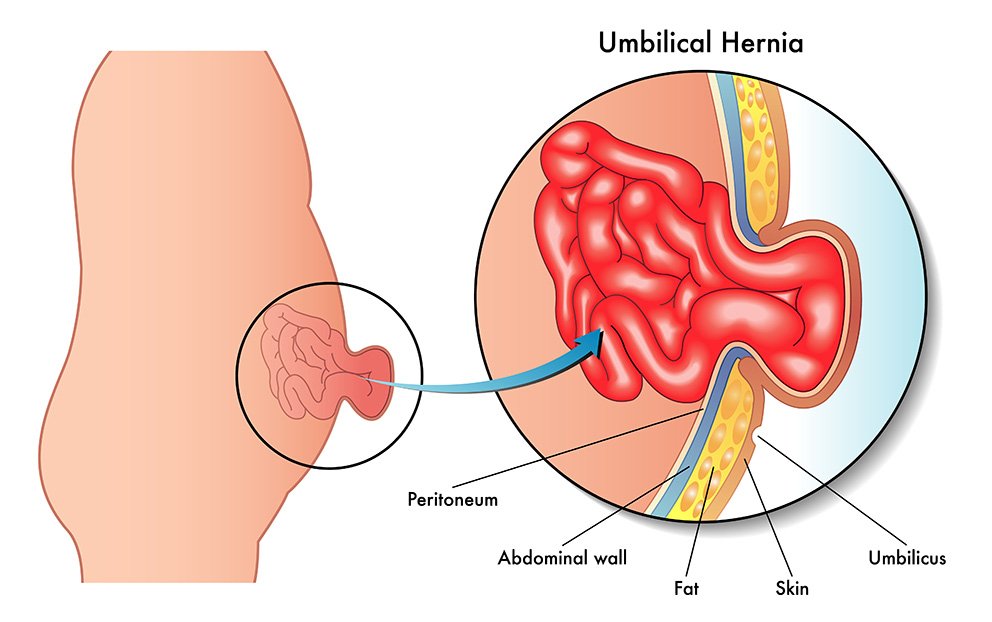
Umbilical Hernia Laparoscopic Surgery is one of the safest and most effective treatments used today to repair this condition with minimal pain and faster recovery. It is caused when a portion of the intestine or fat tissue expands through a weak area close to the stomach button. Most people do not notice the issue initially because it isn’t likely to cause pain, but with time, it may grow and cause discomfort.
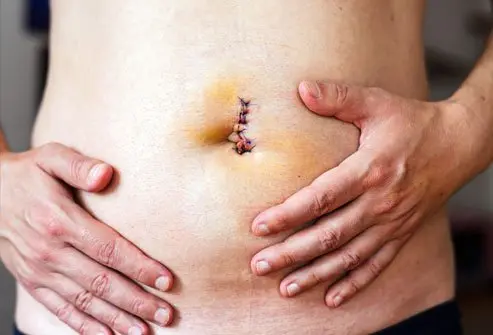
Umbilical Hernia Laparoscopic Surgery is a modern and safe technique used to repair an umbilical hernia through small incisions using a camera and specialized instruments. It involves tiny cuts, cameras, and special instruments to eliminate the hernia in the body. With this innovative approach, it is typically faster to heal than with open surgery.
This article provides information about Umbilical Hernia Laparoscopic Surgery as well as its symptoms, treatments, and post-surgery treatment in a simple language that anyone can comprehend.
What Is an Umbilical Hernia and When Is Umbilical Hernia Laparoscopic Surgery Needed?
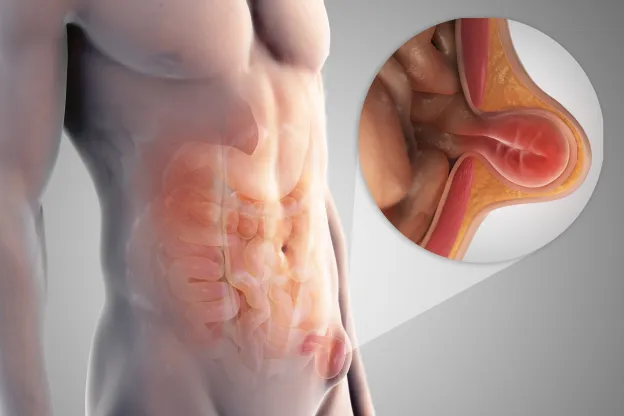
Umbilical hernias occur when tissue from the inside pushes against a weak region of abdominal muscles that are located near the navel. It creates a bulge, which becomes visible when laughing, coughing, or standing.In many cases, doctors recommend Umbilical Hernia Laparoscopic Surgery to repair the weak abdominal wall and prevent complications.
Umbilical hernias are very common:
- Newborn babies
- Women who are pregnant
- People who are overweight
- The people who lift large objects
- People who have weak abdominal muscles
In a majority of people, surgery may be needed to prevent complications. Umbilical Hernia Laparoscopic Surgery is usually the most common choice for treatment.
Common Symptoms That May Require Umbilical Hernia Laparoscopic Surgery
The symptoms can differ depending on the individual. Some individuals feel no pain, whereas some experience discomfort.
Common indications include:
- An obvious bulge in the belly button
- Inflammation or pain while bent or lifting
- A swelling around the navel
- The sensation of pressure is felt in the abdomen
- The pain that gets worse over time
If symptoms become worse, medical professionals usually suggest umbilical hernia surgery to prevent serious issues.
Why Umbilical Hernia Should Not Be Ignored
In the absence of a diagnosis, an umbilical hernia could result in complications. As time passes, the hernia can grow larger and cause pain.
Potential risks could include:
- Strangulation of tissues
- The blood supply is blocked
- Extreme abdominal pain
- Infection
A prompt treatment using surgical hernia repair that is minimally invasive can reduce the risk and provide better results.
What Is Umbilical Hernia Laparoscopic Surgery?
Umbilical Hernia Laparoscopic Surgery, is a new procedure that can repair hernias by making small cuts instead of a huge cut. A small camera is inserted to observe the inside clearly on a monitor.
The surgeon gently pushes tissue back into position and stretches the muscle wall by using mesh. This procedure is also known as the laparoscopic repair of hernias and is extensively used in the present.
Step-by-Step Procedure of Laparoscopic Surgery
Knowing the procedure can reduce anxiety and fears.
Before the Surgery
Before the surgery to treat umbilical hernias laparoscopically , the surgeon performs:
- Blood tests
- Imaging tests
- Physical exam
The patient is instructed not to drink or eat during the time before surgery.
During the Surgery
- General anesthesia is administered
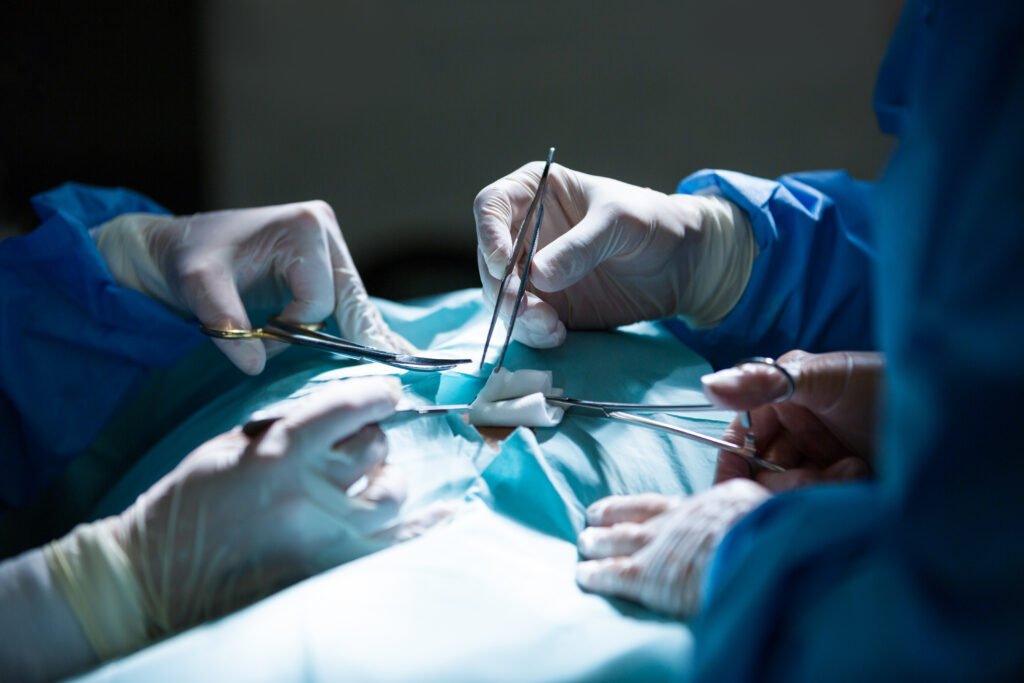
- Small cuts are created within the abdomen.
- A camera helps the surgeon.
- Hernias are repaired from the inside.
- The mesh is positioned to provide strength.
This hernia surgery generally takes 30 to 60 minutes.
After the Surgery
The majority of patients are discharged on that same day or the next day, which makes the repair of hernias with laparoscopic surgery extremely efficient.
Benefits of Umbilical Hernia Laparoscopic Surgery
Umbilical Hernia Laparoscopic Surgery, has numerous advantages over open surgery.
The benefits of this are:
- Scarring is minimal and less noticeable.
- There is less pain following surgery
- More rapid recovery time
- Lower infection risk
- Hospitalization in a short time
This makes it an ideal procedure for treating hernias for a lot of patients.
Role of Mesh in Hernia Surgery
Mesh is a key component in the operation of laparoscopic umbilical hernia. It helps strengthen the weak muscles and decreases the risk of recurrence.
The mesh:
- The abdominal wall is supported by the abdominal
- Natural tissue growth
- Improves long-term success
Modern meshes utilized in Umbilical Hernia Laparoscopic Surgery are secure and tested thoroughly.
Recovery After Umbilical Hernia Laparoscopic Surgery
Recovery following Umbilical Hernia Laparoscopic Surgery is typically easy and quick.
General timeline for recovery:
- A mild pain for a few days
- Walking is allowed up to 24 hours in advance.
- Return to desk work within 7-10 days
- Avoid lifting heavy for about 4-6 weeks
Follow the doctor’s guidelines to ensure secure healing from hernia surgery.
Post-Surgery Care Tips
A proper post-operative care plan can help prevent complications and speed healing.
Important care tips:
- Make sure the wound is clean and dry
- Use the prescribed medications
- Beware of excessive lifting
- Eat fiber-rich food
- Make sure you drink plenty of water
A good post-surgery treatment plan can ensure long-term performance of minimally invasive hernia surgery.
Who Is an Ideal Candidate for This Surgery?
A majority of people with an umbilical hernia can benefit from umbilical hernia surgery, laparoscopically.
The ideal candidates are:
- Hernias ranging from small to moderate size
- Recurrent cases of hernia
- People who want to see a quicker recovery
- Patients who can be treated with general anesthesia
Your surgeon will advise you on the most effective treatment for your hernia depending on your medical condition.
Who May Not Be Suitable?
Certain people might not be the best candidates to undergo an operation that involves laparoscopic hernia repairs.
This includes:
- Very large hernias
- Multiple past abdominal surgeries
- Acute medical conditions
In such instances, an open Umbilical Hernia Laparoscopic Surgery could be suggested.
Possible Risks and Complications
While the procedure for removing umbilical hernias laparoscopically is not risky, certain risks could be present.
Potential complications include:
- Infection
- Bleeding
- Mesh-related problems
- Temporary discomfort
- Hernia recurrence
A surgeon who is experienced reduces the risk significantly.
Conclusion
Umbilical Hernia Laparoscopic Surgery, is an efficient, safe, and effective method for the treatment of umbilical hernias. It is a small-scale procedure that is less painful and has quicker healing than open surgery. A timely diagnosis and prompt intervention for hernias helps to avoid complications and enhance health. When you follow the correct post-surgery treatment and a healthy lifestyle, recovery is quick and easy for the majority of patients. This minimally invasive hernia procedure lets patients return to normal life swiftly and easily. Consult a surgeon who is qualified to ensure long-term relief and peace of mind.
Frequently Asked Questions (FAQs)
1. Is the surgical laparoscopic intervention for an umbilical hernia painful?
The discomfort that follows the procedure is typically moderate. The majority of patients can manage the discomfort by taking medications and are able to feel better in a matter of days.
2. How long will recovery take following surgery?
The healing process after the repair of a hernia with laparoscopic surgery generally lasts between 3 and 6 weeks. Most patients can return to their normal activities after one week.
3. Are mesh-based splints safe for the procedure of removing a hernia umbilical?
Yes, mesh is secure and widely used in hernia treatments. It improves abdominal walls and reduces the chance of recurrence.
4. Does an umbilical hernia complication come to a halt after undergoing surgery?
Recurrence is not common after the laparoscopic treatment for umbilical hernia and is especially rare in cases where post-surgery guidelines are adhered to promptly.
5. When should I visit the doctor to treat an umbilical hernia?
It is recommended to consult with a physician in the event that the bulge expands in size, causes pain, or is difficult. Early evaluation helps plan a proper hernia operation.