
Your doctor mentioned keyhole surgery and now you’re a little uneasy about it. That’s completely normal. The question almost everyone asks first is, is laparoscopic surgery safe? The short answer is yes. It’s one of the most common and well-trusted ways to operate today, used millions of times around the world every year. Smaller cuts, less pain, quicker recovery. In this article, Dr Yashpal Singla breaks down what “safe” actually means here, where the small risks are, and why so many surgeons reach for this approach first.
What Is Laparoscopic Surgery, Exactly?
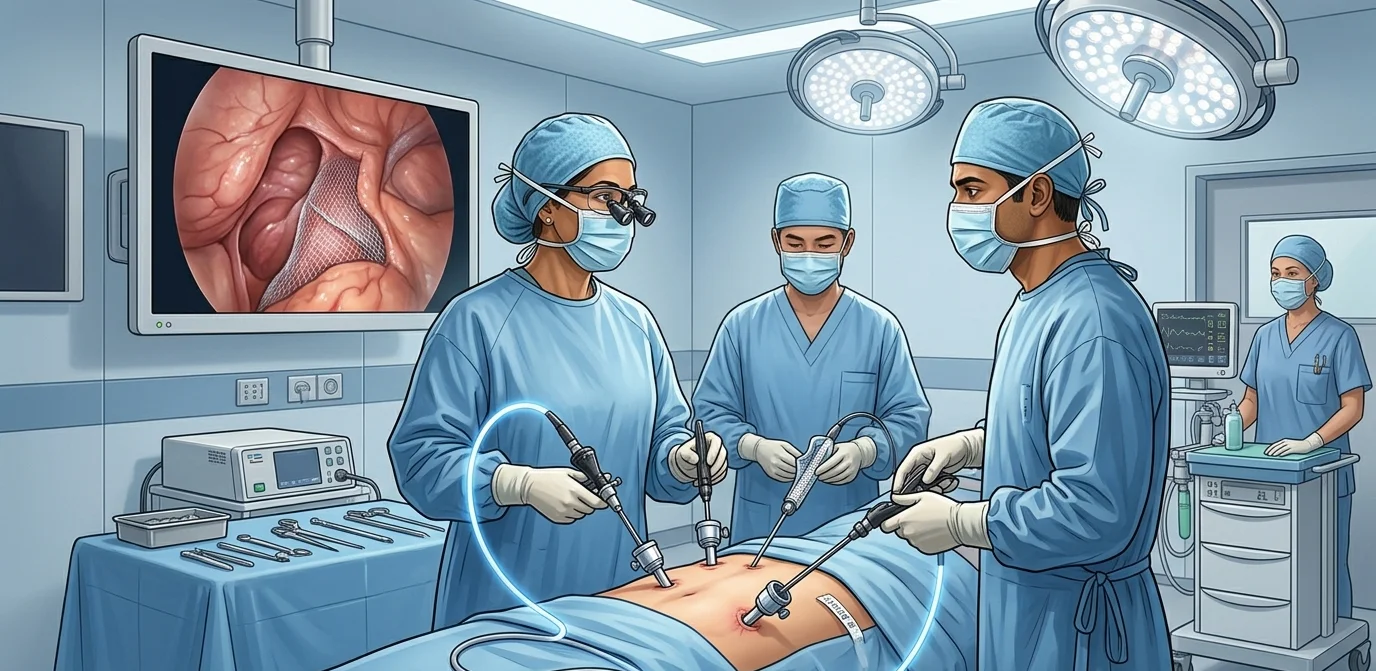
Laparoscopic surgery, also called keyhole or minimally invasive surgery, swaps one big cut for a few tiny ones. Through one of them, the surgeon slides in a thin tube with a camera on the end, called a laparoscope. It sends a magnified view of your insides to a screen. Through the other small cuts go slim instruments the surgeon uses to do the actual work.
You’ll come across it in a lot of operations, gallbladder removal, hernia repair, appendix surgery, and many gynaecological procedures among them. The reason it’s spread so widely is simple. Doing the job through small openings is usually gentler on the body than opening someone up.
Is Laparoscopic Surgery Safe? The Straight Answer
Yes, for most people it’s a very safe choice. This isn’t a new or experimental technique. It’s been refined over decades, and the equipment keeps getting better, which is a big part of why it’s so reliable now.
The safety mostly comes down to the small cuts. Less tissue gets disturbed, there’s less blood loss, and the risk of a wound infection drops compared to open surgery. Most patients are home sooner and on their feet faster. Like any operation it isn’t completely without risk, but serious problems are genuinely rare when an experienced surgical team is doing the work.
Why Keyhole Surgery Is Considered So Safe
When patients ask is laparoscopic surgery safe, a few specific things explain why the answer is usually yes.
The small cuts are the headline. Less damage to skin and muscle means your body has less to repair, so healing is quicker. There’s usually less bleeding too, because the instruments are precise and the surgeon can see exactly where they’re working.
That clear view matters more than people realise. The camera magnifies everything, so the surgeon often sees the area better than they would with the naked eye in open surgery. Add the lower infection risk from tiny wounds and the faster recovery, and it’s easy to see why this became the go-to method for so many operations.
Being Honest About the Risks
No surgeon worth trusting will tell you a procedure is risk-free, so here’s the straight talk. The risks with keyhole surgery are uncommon, but they exist. You might react to the anaesthesia. There can be minor bleeding or an infection. Very occasionally, a nearby organ or blood vessel can be affected during the operation.
There’s also one thing specific to keyhole surgery worth knowing. In rare cases, the surgeon decides partway through that it’s safer to switch to open surgery, maybe because of scarring or an unexpected finding. That isn’t a failure, it’s a safety call, and you’d be told about it. Choosing a skilled surgeon and a properly equipped hospital is the single biggest thing that keeps all these risks low. This is one of the key reasons why, for most patients, the answer to “is laparoscopic surgery safe?” remains yes.
Who Can Have Laparoscopic Surgery?
Most healthy adults are good candidates, but your surgeon will go through your full medical history before deciding. Some conditions need a closer look first. People with certain heart or lung problems, severe obesity, or a lot of previous abdominal surgery may need extra evaluation, because scarring from old operations can make keyhole access trickier.
This is exactly why the pre-surgery check-up matters. It isn’t a box-ticking exercise. It’s how the team makes sure keyhole surgery is the right and safe choice for you specifically, rather than assuming one method fits everyone. When patients ask, “Is laparoscopic surgery safe for me?”, this detailed evaluation is what helps surgeons provide the most accurate answer based on individual health needs.
What Makes the Difference Between Safe and Risky?
If you’re still wondering is laparoscopic surgery safe in your particular case, the answer leans heavily on a few factors you can actually influence. The surgeon’s experience comes first. Keyhole surgery is a skill built over hundreds of procedures, so a surgeon who does these regularly will handle the unexpected far better than one who rarely does.
The hospital matters just as much. A good operation theatre, modern cameras and instruments, and a trained team around the surgeon all stack the odds in your favour. Then there’s your part. Being upfront about your medical history, your medicines, allergies, and any past surgeries gives the team the full picture, and that honesty directly affects how safely things go.
The takeaway is reassuring. A lot of what makes surgery safe isn’t down to luck. It’s down to choosing the right place and the right surgeon, and giving them the information they need.
How to Prepare and Lower Your Risk

A little preparation goes a long way toward a smooth, safe surgery. A few simple things help:
- Follow the fasting instructions exactly, since eating or drinking too close to surgery can cause problems under anaesthesia
- Tell your team about every medicine and supplement you take, including the ones that seem harmless
- If you smoke, cutting back or stopping before surgery genuinely improves healing and lowers your risk
- Arrange for someone to drive you home and stay with you the first night
- Ask any questions that are on your mind beforehand, because a clear understanding helps you recover calmly
None of this is complicated, but each step quietly makes the whole experience safer and easier.
When to See a Doctor
Whether you’re before or after surgery, some signs are worth acting on quickly. See a doctor if you notice:
- Pain that keeps going instead of easing off
- A fever, chills, or a wound that looks red or leaks fluid
- Swelling, bad bloating, or trouble breathing
- Nausea or vomiting that won’t settle
These don’t always mean something serious, but they’re worth checking promptly. Catching a small issue early is far easier than dealing with it once it’s grown.
What Recovery Is Usually Like

Recovery from keyhole surgery is generally smoother and quicker than open surgery, which is a big part of its appeal. Most people are up and walking the same day and go home within a day or two. Some soreness around the small cuts is normal and usually settles within a week.
Eat light, healthy meals to start, drink plenty of water, and steer clear of heavy lifting for as long as your surgeon advises. Gentle walking actually speeds healing along and keeps blood clots away, so don’t just lie still. And go to your follow-up appointments, even when you feel fine, because that’s how the team confirms everything has healed the way it should.
Conclusion
So, is laparoscopic surgery safe? For the vast majority of people, yes, and the track record backs that up. Decades of use, constant improvements in technology, smaller cuts, less pain, lower infection risk, and a faster recovery all add up to a method surgeons trust for good reason. It isn’t risk-free, no surgery is, but serious complications are rare in experienced hands. The smartest things you can do are choose a skilled surgeon and a well-equipped hospital, be honest about your medical history, and follow the recovery advice. Do that, and keyhole surgery is about as safe and straightforward as surgery gets.
At Meyash Hospital, Dr Yashpal Singla and our skilled surgical team perform a wide range of laparoscopic procedures with precision and care. We use advanced equipment and modern techniques to keep keyhole surgery as safe and comfortable as it can be. From your first consultation through to full recovery, our patient-first approach is built to keep you informed and confident at every step.
This article is reviewed by the expert team at Meyash Hospital. If you are experiencing symptoms, consult the specialist Dr. Yashpal Singla for expert diagnosis and advanced treatment.
Frequently Asked Questions (FAQs)
1. Is laparoscopic surgery safe for older patients?
Yes, and it’s often a safer choice for older adults because the smaller cuts put less stress on the body and recovery is quicker. A full health check is always done first.
2. How long does laparoscopic surgery take?
Most procedures run between thirty minutes and a couple of hours, depending on the type of operation and your condition.
3. Does keyhole surgery leave scars?
Only a few very small ones that usually fade over time. They’re far less noticeable than the single larger scar from open surgery.
4. Is laparoscopic surgery safe for serious conditions?
It’s used safely for many conditions, but the surgeon decides case by case whether keyhole or open surgery is the better fit for your situation.
5. How soon can I get back to normal after keyhole surgery?
Many people resume light activity within a few days and return to full routines in one to three weeks, depending on the procedure.

