A lot of people experience acidity or heartburn, chest pain, or trouble swallowing for months or years. Most of the time, these issues are caused by an illness known as a hiatus hernia. If medications stop working or symptoms get worse, surgical intervention may be recommended. Many patients inquire about a crucial issue: Is laparoscopic surgery for hiatus hernias safe?
Many patients want to understand whether laparoscopic surgery for hiatus hernia is a safe and long-term solution.
Doctors and specialists who provide laparoscopic surgery to treat the hiatus hernia in Hisar inform us that this new procedure is extensively used and is considered to be very secure when carried out by skilled surgeons. It can provide more comfort, speedier healing, and long-term relief from the symptoms.
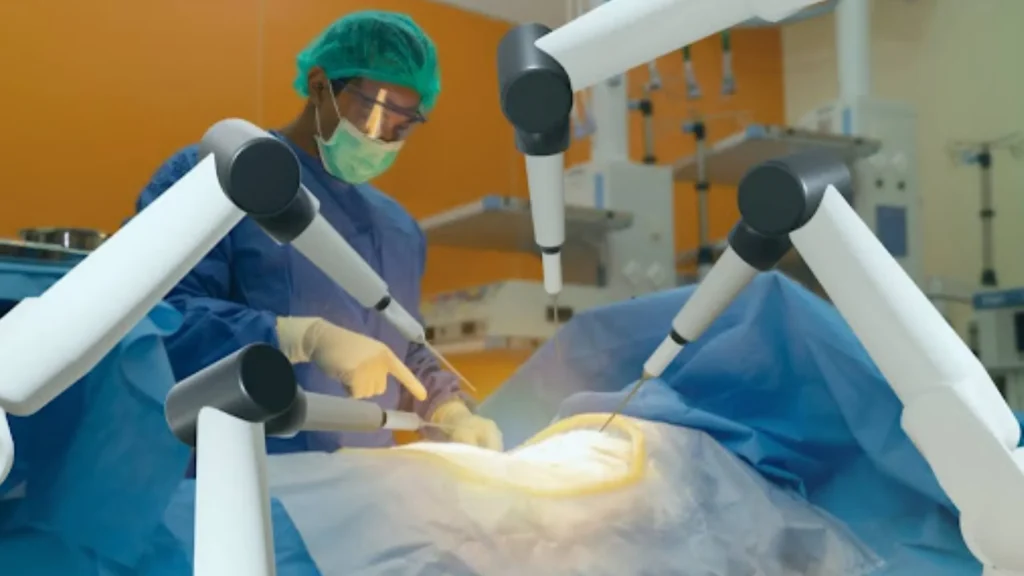
This article discusses the advantages, risks as well as the risks and recovery process of laparoscopic surgery for hiatus hernia in a straightforward language, so that anyone can read it easily.
Is laparoscopic surgery for hiatus hernia safe? In Hisar, Dr. Yashpal Singla (MS, FAMS, MRCSI), Senior Consultant Bariatric and Advanced Laparoscopic Surgeon, explains that laparoscopic treatment is a safe and effective option for patients with severe or persistent symptoms.
What Is a Hiatus Hernia?
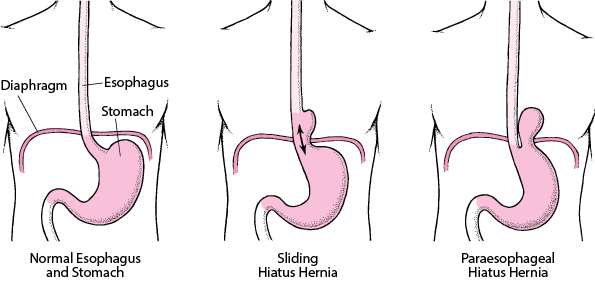
Hiatus hernia occurs when a piece of the stomach expands upward towards the chest via tiny openings inside the diaphragm. The diaphragm is a muscular structure that aids in breathing and divides the chest from the abdomen.
If the stomach expands and contracts, acid may begin to return to the alimentary tract. A lot of patients who seek laparoscopic surgery for hiatus hernia suffer from chronic acid reflux and chest pain.
Common Symptoms of Hiatus Hernia
The symptoms may be severe or mild, depending on the extent of the hernia.
Common symptoms are:
- Heartburn is a frequent cause of discomfort.
- Acid reflux
- Chest pain after meals
- It is difficult to swallow.
- Nausea and bloating
If the symptoms don’t improve, physicians might suggest laparoscopic surgery for hiatus hernia treatments that involve surgery.
What Is Laparoscopic Surgery for Hiatus Hernia?
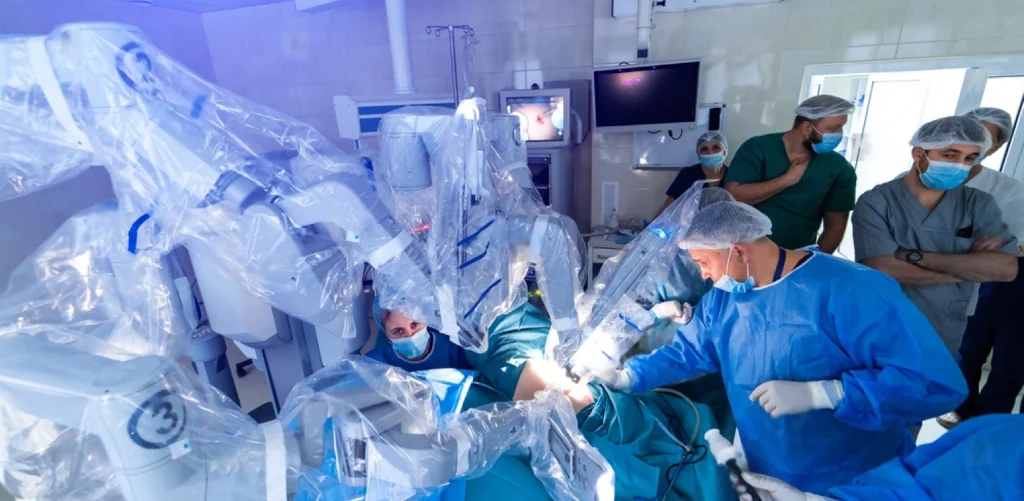
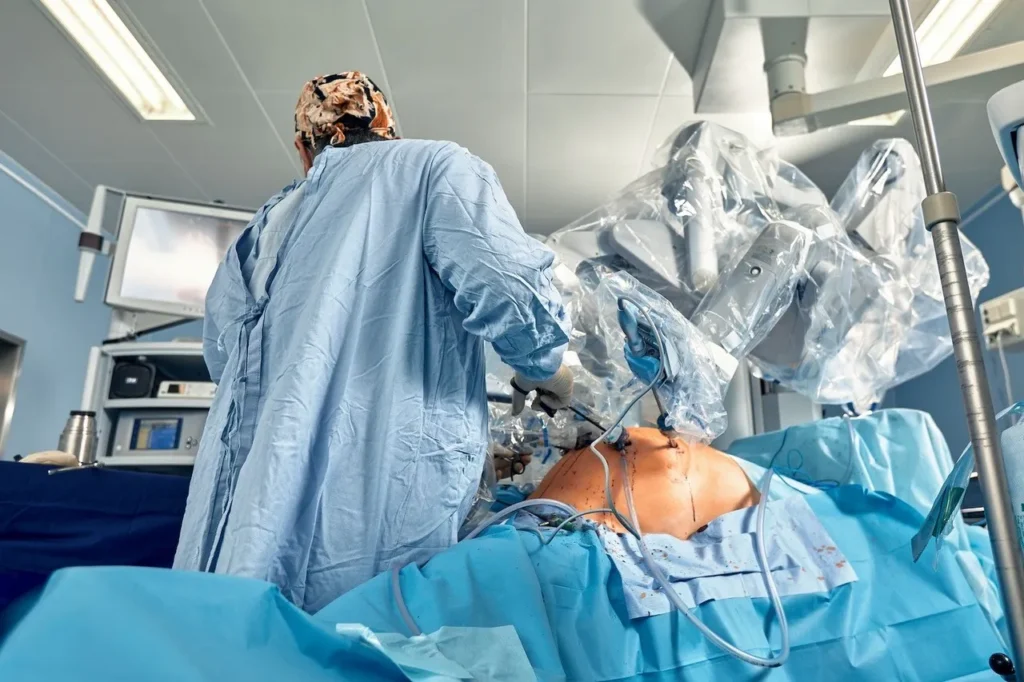
Laparoscopic surgery to treat the hiatus hernia is a minimally invasive procedure. If you want to understand how minimally invasive procedures work in general, you can read our complete guide on laparoscopic surgery benefits and recovery. Instead of a big cut, surgeons make tiny incisions and then use cameras to look within the body.
During the procedure:
- The stomach is then moved back to its normal place
- The diaphragm’s opening is tightened.
- The repair of the anti-reflux can be performed.
The modern hiatus hernia procedure is popular because it is less painful and has a quicker recovery.
Is Laparoscopic Surgery for Hiatus Hernia Safe?
Absolutely, the procedure of laparoscopic hiatus hernia surgery is regarded as very safe when performed by qualified and skilled surgeons. Doctors from Hisar say that this method has been successfully used for a long time in all parts of the world.
Justifications for why it is safe
- Small cuts can reduce the risk of infection
- The loss of blood is less
- Improved visibility for surgeons
- Faster healing
If you have a proper diagnosis and plan, laparoscopic surgery for a hiatus hernia offers long-term relief and the least amount of complications.
Overall, laparoscopic surgery for hiatus hernia is considered safe when performed by experienced surgeons. While this procedure is considered safe, understanding both advantages and limitations is important. Explore the pros and cons of laparoscopic surgery before making a decision.
Why Doctors Prefer Laparoscopic Surgery
Doctors suggest minimally invasive hernia surgery since it has many advantages over open surgery.
Principal reasons include:
- The less painful following surgery
- Shorter hospital stay
- Rapider return to routine
- Scars of a smaller size
- Lower complication risk
These advantages provide laparoscopic surgery for hiatus hernia as a reliable treatment option. To better understand why minimally invasive surgery is preferred over traditional methods, read our guide on the difference between open and laparoscopic surgery.
Who Is an Ideal Candidate for This Surgery?
Not every patient needs surgery. Doctors first test medications and lifestyle modifications.
Candidates who are ideal to undergo laparoscopic surgery to treat a hiatus hernia are:
- Patients suffering from severe acid reflux
- People who aren’t responding to medicine
- People suffering from a paraesophageal hernia
- Patients who experience chest pain
- People with a lower quality of life
Doctors in Hisar examine each patient carefully before suggesting the hiatus hernia procedure.
Who May Not Be Suitable for Surgery?
While it is secure, laparoscopic surgery for a hiatus hernia is not suitable for all patients.
Surgery can be avoided:
- Patients suffering from severe lung or heart disease.
- Patients with a long-term illness who have multiple health problems
- Those unfit for general anesthesia
In these instances, doctors will continue the medical treatments for a hiatus hernia instead.
How Long Does the Surgery Take?
The majority of laparoscopic hiatus hernia procedures can take between 60 and 90 minutes. The exact length of time will depend on:
- Hernia type
- The size of the hernia
- Complexity of repair
The experts in Hisar are focused on accuracy and safety instead of speed.
Recovery After Laparoscopic Surgery
Recovery can be effortless and comfortable.
General timeline for recovery:
- Walking 24 hours a day
- A mild pain for a few days
- Soft diet for 1-2 weeks
- Work can resume in 1-2 weeks
- Complete recovery within 4 to 6 weeks
The advice of a doctor can ensure a smooth recovery from hernia surgery.
Possible Risks and Complications
As with any surgical procedure, laparoscopic surgery for a hiatus hernia can be risky. However, they are extremely rare.
Risks that could be posed are:
- Infection
- Bleeding
- Temporary difficulties swallowing
- Acid reflux recurrence
Selecting a skilled surgeon can significantly reduce the risk.
Long-Term Results of Laparoscopic Surgery
The majority of patients experience long-lasting relief following laparoscopic surgery to treat the hiatus hernia.
Benefits over the long term include:
- Acid reflux is less frequent.
- Better digestion
- Better sleep
- Better quality of life
Doctors frequently recommend lifestyle adjustments to ensure long-term success following an operation to repair hernias that have been delayed.
Choosing the Right Specialist in Hisar
The safety of surgery relies heavily on the experience of the surgeon.
Check for:
- Experience with laparoscopic surgery to treat hiatus hernia
- Modern facilities for hospitals
- Clear communication
- Good patient reviews
The specialists in Hisar are trained in minimally invasive hernia surgery. This makes treatment efficient and secure. If you’re planning surgery, choosing the right hospital is equally important. You can also explore our guide on the best hospital for laparoscopic surgery in Hisar to make an informed decision.
Conclusion
Laparoscopic surgery for hiatus hernia is a safe and effective treatment when done by skilled specialists.. It provides lower pain, faster recovery, and long-term relief from chest pain. Although not all patients require surgery, those suffering from persistent or chronic symptoms can greatly benefit from this new method. A proper diagnosis, expert surgeons, and post-surgery medical care play a significant role in the success. The surgeons at Hisar employ advanced methods to ensure the safety of patients and ease. Getting the right doctor at the right time can lead to greater overall health and peace of mind.
Frequently Asked Questions (FAQs)
1. Laparoscopic surgery for hernias in the hiatus uncomfortable?
The pain that occurs following laparoscopic surgery to treat a hiatus hernia is typically minimal and short-lasting. The majority of patients can manage the discomfort by taking medications.
2. How do you know if laparoscopic surgery is as safe as open surgeries?
Laparoscopic surgery to treat a hiatus hernia is less risky than open surgeries in a lot of instances due to fewer cuts, less discomfort, and faster recovery.
3. How long will you stay in the hospital following surgery?
The majority of patients are in the hospital for one to 2 days following the hiatus hernia procedure, according to the speed of recovery.
4. Hiatus hernias can come back after surgery?
Recurrence is not common, especially when the procedure is performed correctly, and the lifestyle guidelines are followed following the surgery performed using laparoscopic techniques for hiatus hernia.
5. When should I talk to an ophthalmologist for surgery?
It is recommended to consult a doctor when symptoms become more severe or if medications are not working. A prompt evaluation can help determine whether surgery with laparoscopy for a hiatus hernia is required.