
What are the benefits of laparoscopic surgery for obesity?
Laparoscopic surgery for obesity benefits include significant and long-term weight loss, improved overall health, faster recovery, minimal scarring, and reduced risk of complications compared to traditional surgery.
Obesity is more than just a weight issue — it affects your heart, joints, hormones, and overall quality of life. For many patients, diet and exercise alone may not be enough. This is where laparoscopic (minimally invasive) weight loss surgery becomes a powerful and effective solution.
What is Laparoscopic Surgery for Obesity?
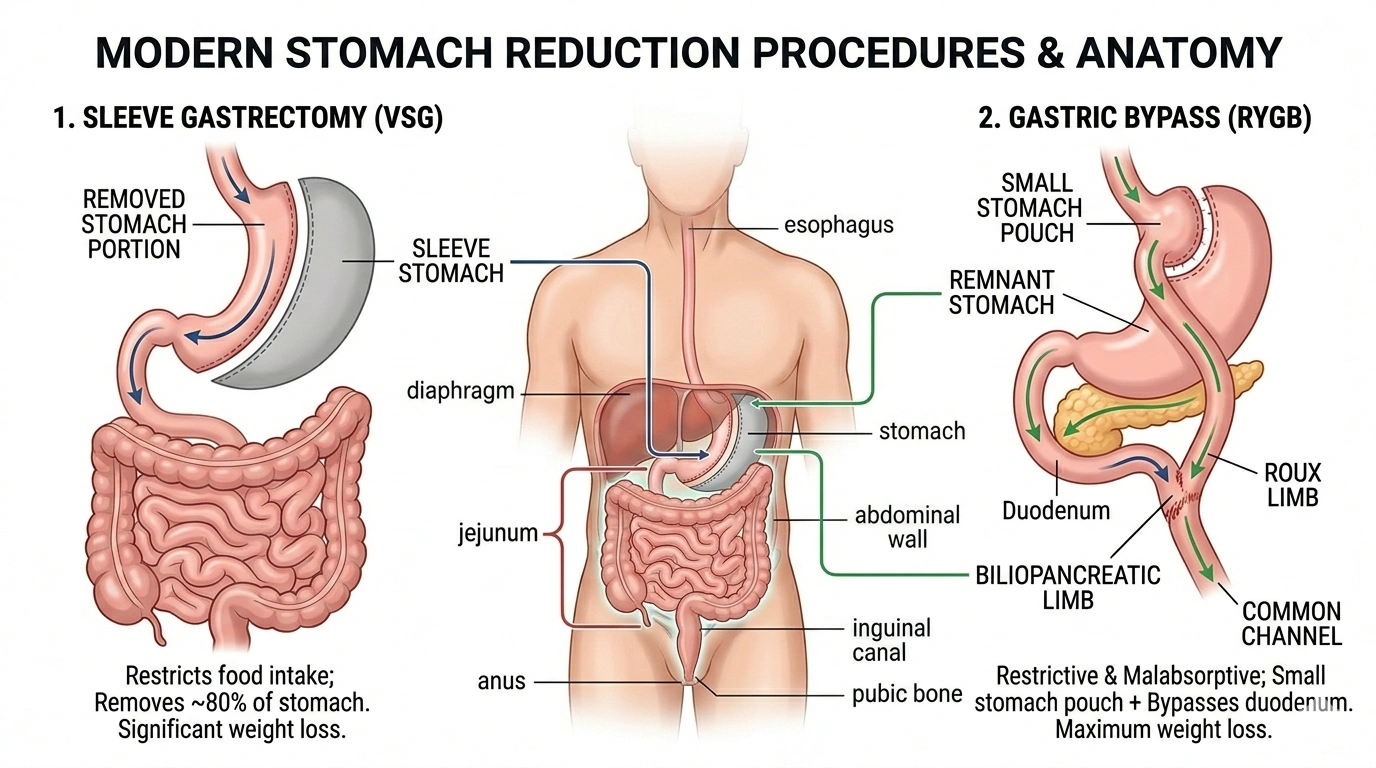
Laparoscopic surgery for obesity, also known as bariatric surgery, is a minimally invasive procedure that helps people lose weight by altering the digestive system.
It involves:
- Small incisions instead of large cuts
- Use of a camera (laparoscope)
- Reduced surgical trauma
Common types include:
- Gastric bypass
- Sleeve gastrectomy
- Adjustable gastric band
These procedures limit food intake and/or reduce nutrient absorption, leading to effective weight loss.
Laparoscopic Surgery for Obesity Benefits
Understanding laparoscopic surgery for obesity benefits helps patients make informed decisions.
1. Significant Weight Loss
Patients can lose:
- 50% to 70% of excess body weight
- Sustainable results over time
This is much higher compared to diet-only approaches.
2. Faster Recovery
- Smaller incisions
- Less pain
- Shorter hospital stay
- Quick return to daily activities
Most patients resume routine life within a few weeks.
3. Minimal Scarring
Unlike open surgery:
- Tiny scars instead of large marks
- Better cosmetic results
This is a major advantage for many patients.
4. Improvement in Health Conditions
One of the biggest laparoscopic surgery for obesity benefits is improvement in obesity-related diseases:
- Type 2 diabetes
- High blood pressure
- Sleep apnea
- Joint pain
- Fatty liver disease
Many patients see dramatic improvement or complete resolution.
5. Better Quality of Life
After surgery, patients often experience:
- Increased energy levels
- Improved mobility
- Better mental health
- Higher confidence
6. Lower Risk of Complications
Compared to traditional surgery:
- Reduced infection risk
- Less bleeding
- Lower complication rates
Advanced centers like Meyash Hospital use modern laparoscopic techniques that further improve safety and outcomes.
Who is Eligible for Bariatric Surgery?
Not everyone requires surgery. It is recommended for:
- BMI above 30–35 (with health conditions)
- BMI above 40 (severe obesity)
- Failed weight loss attempts through diet/exercise
- Obesity-related health issues
A detailed evaluation is required before deciding treatment.
Symptoms and Health Risks of Obesity
Obesity can lead to multiple serious conditions:
- Chronic fatigue
- Breathlessness
- Joint pain
- Hormonal imbalance
- Diabetes and heart disease
These risks make early treatment important.
When to See a Doctor
Consult a specialist if:
- Your weight is increasing continuously
- Lifestyle changes are not working
- You have obesity-related diseases
- Daily activities are affected
Early intervention improves outcomes and reduces long-term risks.
Diagnosis Before Surgery
Doctors evaluate patients through:
1. BMI Calculation
Measures obesity level
2. Blood Tests
Check sugar, cholesterol, and organ function
3. Medical History
Identify underlying conditions
4. Psychological Evaluation
Ensure readiness for lifestyle changes
Treatment Options for Obesity
1. Lifestyle Management
- Diet
- Exercise
- Behavioral therapy
2. Medications
Used in some cases but limited effectiveness
3. Bariatric Surgery (Most Effective)
Laparoscopic surgery remains the most effective long-term treatment for severe obesity.
Meyash Hospital offers advanced bariatric procedures designed for safe and effective weight loss with faster recovery.
Types of Laparoscopic Weight Loss Surgery
1. Sleeve Gastrectomy
- Removes part of the stomach
- Reduces hunger hormone
- Most commonly performed
2. Gastric Bypass
- Changes digestive pathway
- Limits calorie absorption
3. Adjustable Gastric Band
- Restricts stomach size
- Less commonly used today
Each procedure is selected based on patient needs.
Recovery After Surgery

Recovery is usually smooth with proper care.
Timeline:
- 2–3 days: Hospital stay
- 1–2 weeks: Resume light work
- 4–6 weeks: Full recovery
Care Tips:
- Follow diet plan strictly
- Avoid heavy lifting
- Stay active with light walking
- Take medications regularly
Diet Plan After Bariatric Surgery
Diet plays a crucial role in recovery and long-term success.
Initial Phase:
- Liquid diet
- Soft foods
Later Phase:
- High-protein foods
- Small portions
Avoid:
- Sugary foods
- Carbonated drinks
- Junk food
Healthy eating ensures sustained weight loss.
Possible Risks and Side Effects
Although safe, some risks may include:
- Nausea or vomiting
- Nutritional deficiencies
- Infection
- Rare complications
Choosing experienced surgeons reduces risks significantly.
Long-Term Results

The long-term laparoscopic surgery for obesity benefits are highly positive.
Patients experience:
- Sustained weight loss
- Improved metabolism
- Reduced risk of chronic diseases
- Better lifespan and quality of life
Success depends on maintaining lifestyle changes after surgery.
Prevention Tips for Maintaining Results
- Follow balanced diet
- Exercise regularly
- Avoid unhealthy habits
- Attend follow-ups
- Stay consistent
Lifestyle discipline is key after surgery.
Conclusion
Laparoscopic surgery for obesity benefits go far beyond weight loss. It improves overall health, reduces disease risk, and enhances quality of life.
With modern surgical techniques and proper care, bariatric surgery has become a safe and effective solution for long-term weight management. However, success depends on choosing the right treatment and maintaining a healthy lifestyle.
If you are struggling with obesity and looking for a safe, effective solution, consult the specialists at Meyash Hospital for advanced laparoscopic weight loss surgery and personalized care.
FAQs
Q1: Is laparoscopic surgery safe for obesity?
Yes, it is considered safe with low complication rates when performed by experienced surgeons.
Q2: How much weight can I lose after surgery?
Most patients lose 50–70% of excess weight.
Q3: Is bariatric surgery permanent?
Yes, but maintaining results requires lifestyle changes.
Q4: Will I need to follow a diet after surgery?
Yes, a structured diet plan is essential for recovery and long-term success.
Q5: How long does recovery take?
Most patients recover within 2–6 weeks.

