
What to avoid after laparoscopic surgery?
After laparoscopic surgery, patients should avoid heavy lifting, unhealthy foods, strenuous activities, smoking, alcohol, and ignoring post-surgery care instructions. Proper precautions help prevent complications and ensure faster recovery.
Laparoscopic surgery is known for smaller cuts, less pain, and quicker healing compared to traditional surgery. But recovery still requires care. Many patients assume they can return to normal life immediately — and that’s where problems begin. Knowing what to avoid after laparoscopic surgery is just as important as knowing what to do.
What is Laparoscopic Surgery?
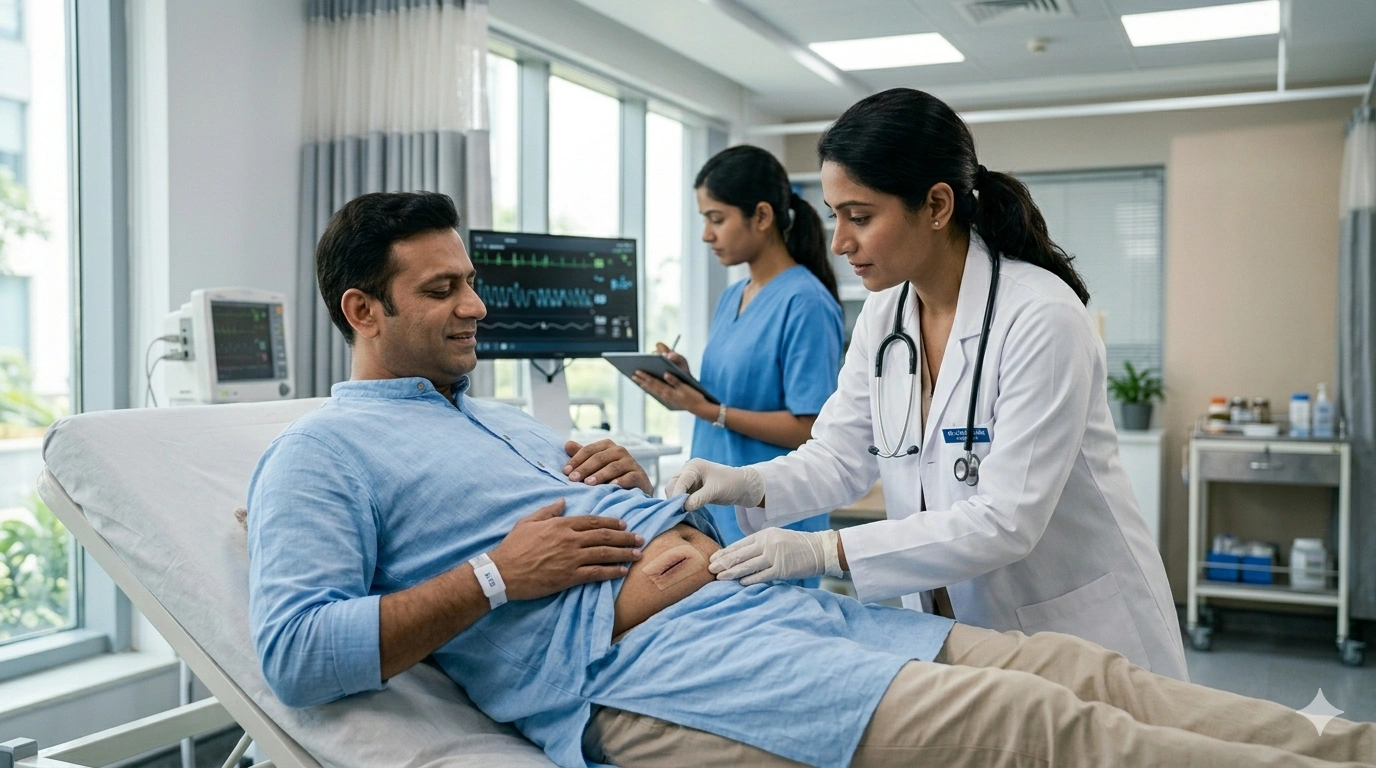
Laparoscopic surgery, also called minimally invasive surgery, is a modern surgical technique where small incisions are made and a camera (laparoscope) is used to perform the procedure.
It is commonly used for:
- Gallbladder removal
- Hernia repair
- Appendix removal
- Gynecological procedures
Because the cuts are small, recovery is faster — but healing still happens internally, which is why precautions matter.
What to Avoid After Laparoscopic Surgery (Most Important Section)
Understanding what to avoid after laparoscopic surgery can prevent complications like infection, pain, or delayed healing.

1. Avoid Heavy Lifting
Lifting heavy objects puts pressure on your abdominal muscles and surgical area.
- Avoid lifting anything heavier than 5–10 kg
- Do not strain while picking objects
- Avoid gym workouts initially
This is especially important for hernia or abdominal surgeries.
2. Avoid Strenuous Physical Activity
Even though you may feel better in a few days, your body is still healing.
Avoid:
- Running or jumping
- Intense workouts
- Bending repeatedly
- Sudden movements
Light walking is recommended, but overexertion should be avoided.
3. Avoid Driving Too Soon
Driving requires full concentration and sudden movements, which can strain your body.
Avoid driving if:
- You are still in pain
- You are taking pain medications
- You feel weak or dizzy
Usually safe after 1–2 weeks, depending on recovery.
4. Avoid Unhealthy Diet
Your digestive system may be sensitive after surgery.
Avoid:
- Spicy and oily foods
- Junk food
- Carbonated drinks
- Heavy meals
These can cause bloating, discomfort, and slow recovery.
5. Avoid Smoking and Alcohol
Smoking and alcohol delay healing and increase complications.
- Smoking reduces oxygen supply to tissues
- Alcohol interferes with medications
- Both increase infection risk
Avoid completely during recovery.
6. Avoid Ignoring Pain or Symptoms
Pain is normal — but ignoring unusual symptoms is dangerous.
Do NOT ignore:
- Severe or increasing pain
- Fever
- Redness or swelling near incision
- Vomiting or nausea
Early attention prevents serious complications.
7. Avoid Tight Clothing
Tight clothes can irritate the surgical site.
Avoid:
- Tight waistbands
- Heavy belts
- Synthetic fabrics
Choose loose, breathable clothing for comfort.
8. Avoid Skipping Medications
Many patients stop medications once they feel better — this is risky.
Avoid:
- Skipping antibiotics
- Ignoring pain relief schedule
- Self-medicating
Always follow your doctor’s instructions.
When to See a Doctor

This is a crucial step in recovery.
Consult a doctor if:
- Pain does not improve after a few days
- You notice discharge from the wound
- Fever develops
- You feel weakness or dizziness
- There is difficulty in urination or bowel movement
Hospitals like Meyash Hospital recommend timely follow-up to ensure smooth recovery and avoid complications.
Treatment & Recovery Support
Recovery after laparoscopic surgery is usually smooth if proper care is followed.
1. Medications
- Painkillers
- Antibiotics
- Anti-nausea medicines
2. Minimally Invasive Advantage
- Smaller cuts
- Less pain
- Faster healing
- Reduced hospital stay
Advanced hospitals like Meyash Hospital focus on minimally invasive techniques that help patients recover quickly with fewer complications.
Recovery & Care Tips
To complement what to avoid after laparoscopic surgery, here’s what helps:
- Take proper rest
- Walk lightly to improve circulation
- Keep incision area clean and dry
- Follow diet recommendations
- Attend follow-up appointments
Recovery typically takes:
- 1–2 weeks for minor procedures
- 3–4 weeks for full recovery
Prevention Tips for Faster Healing
- Eat a balanced diet rich in protein
- Stay hydrated
- Avoid constipation (fiber intake)
- Sleep properly
- Manage stress
These small steps make a big difference in recovery.
Conclusion
Understanding what to avoid after laparoscopic surgery is essential for a safe and smooth recovery. While the procedure itself is minimally invasive, your body still needs time to heal internally.
I am Dr. Yashpal Singla with 15 years of experience. I recommend avoiding heavy lifting, unhealthy habits, and ignoring symptoms can significantly reduce complications. With the right care, most patients recover quickly and return to normal life without issues.
If you are planning or recovering from laparoscopic surgery, consult the specialists at Meyash Hospital for expert guidance, advanced treatment, and personalized recovery care.
FAQs
Q1: How long should I avoid heavy work after laparoscopic surgery?
Usually 2–4 weeks, depending on the type of surgery and recovery progress.
Q2: Can I eat normally after laparoscopic surgery?
Start with light food and gradually return to a normal diet. Avoid heavy and spicy food initially.
Q3: Is pain normal after laparoscopic surgery?
Yes, mild pain is normal, but severe or persistent pain should be checked.
Q4: When can I return to work?
Most patients return within 1–2 weeks, depending on job type.
Q5: What is the biggest mistake after laparoscopic surgery?
Ignoring recovery guidelines — especially lifting heavy objects or skipping medications.

