
Hernia surgery is designed to repair weakened muscles or tissues, but recovery does not end when the operation is over. One of the biggest concerns patients have after treatment is whether the hernia can return. The good news is that proper recovery habits, lifestyle changes, and medical guidance can significantly lower the risk of recurrence.
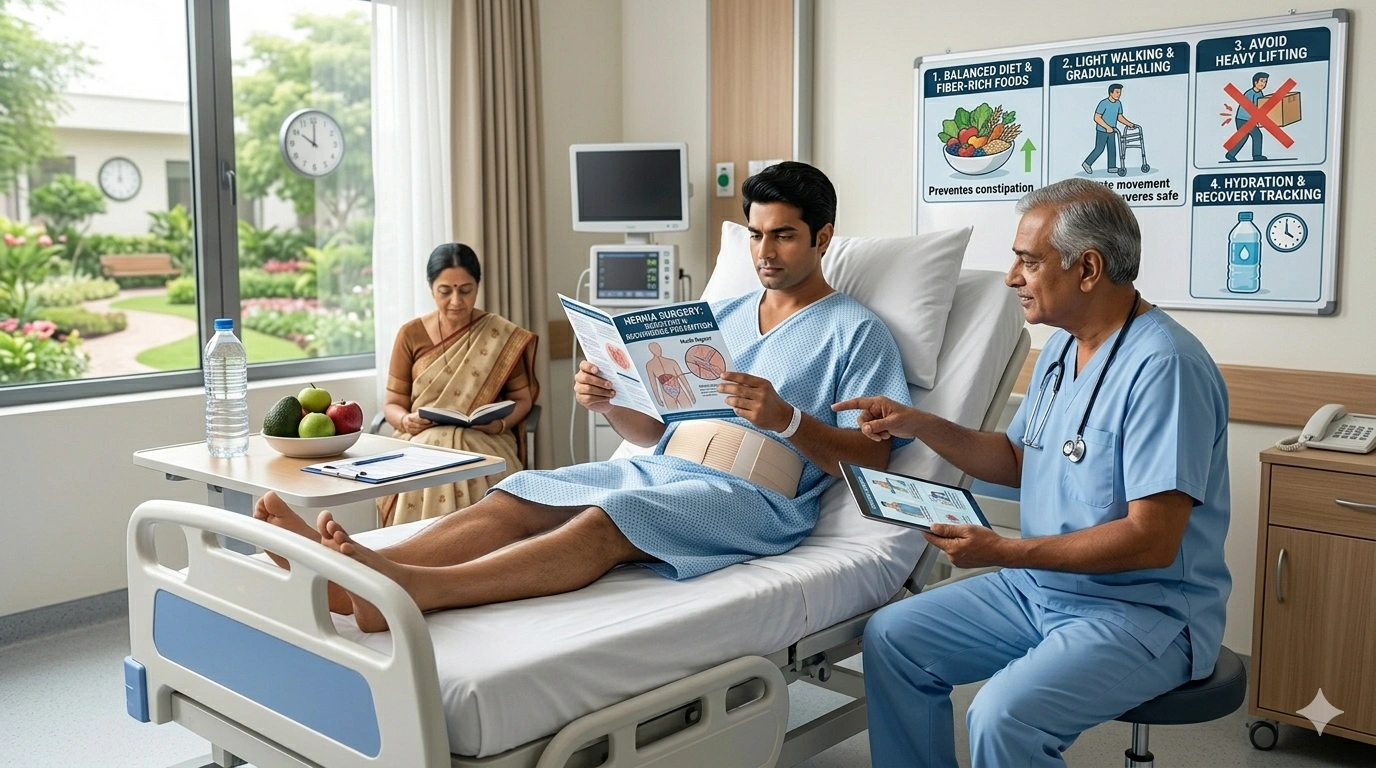
Understanding how to prevent hernia after surgery is important because the body needs time to rebuild strength around the repaired area. Activities that increase abdominal pressure too soon can affect healing and may increase the chances of another hernia developing. With the right precautions, most patients recover well and return to normal life safely.
What Happens After Hernia Surgery?
A hernia occurs when an organ or tissue pushes through a weak spot in the muscle wall. During surgery, the weak area is repaired using stitches, mesh, or both. Even though the repair is completed during the procedure, the surrounding muscles and tissues still need time to heal fully.
Immediately after surgery, the body starts rebuilding tissue strength around the repaired area. This healing process can take several weeks or even months depending on:
- Type of hernia
- Surgical method used
- Patient’s overall health
- Age and lifestyle
- Presence of obesity, diabetes, or smoking habits
Many patients feel better within a few days and mistakenly assume the body has healed completely. In reality, internal healing continues long after the pain decreases. That is why post-surgery care plays a major role in preventing recurrence.
Why Do Hernias Return After Surgery?
A hernia can come back if excessive pressure weakens the repaired tissue before it heals properly. Recurrence does not always mean the surgery failed. Sometimes lifestyle habits, medical conditions, or poor healing contribute to the problem.
Common reasons for recurrence include:
1. Heavy Lifting Too Soon
Lifting weights, moving furniture, gym workouts, or even carrying heavy grocery bags can put pressure on the abdominal wall.
2. Chronic Coughing
Repeated coughing increases abdominal pressure and can strain the repaired area.
3. Constipation and Straining
Straining during bowel movements is one of the most overlooked causes of hernia recurrence.
4. Obesity
Excess body weight continuously presses against abdominal muscles.
5. Smoking
Smoking affects blood circulation and slows tissue healing.
6. Infection at the Surgical Site
Poor wound healing can weaken the repair and increase complications.
7. Ignoring Recovery Instructions
Returning to work, sports, or exercise too early can affect recovery.
This is why surgeons at places like Meyash Hospital often emphasize structured recovery plans and lifestyle adjustments after hernia procedures.
How to Prevent Hernia After Surgery
Preventing recurrence requires consistency rather than extreme restrictions. Small habits followed daily can make a major difference.
Follow Your Doctor’s Instructions Carefully
Every patient heals differently. Recovery instructions are based on:
- Type of surgery
- Hernia size
- Location of hernia
- Overall health condition
Avoid comparing your recovery with someone else’s experience.
Avoid Heavy Lifting
Most surgeons recommend avoiding heavy lifting for at least 4–6 weeks.
Activities to avoid include:
- Weight training
- Carrying children for long periods
- Pulling heavy objects
- Intense household work
When lifting cannot be avoided:
- Bend your knees
- Keep your back straight
- Avoid sudden twisting motions
Support Your Abdomen While Coughing or Sneezing
Using a small pillow or your hand to support the abdomen reduces pressure on the healing area.
This simple step is especially useful for patients recovering from abdominal or inguinal hernia surgery.
Maintain a Healthy Weight
Weight management is one of the most effective ways to reduce pressure on abdominal muscles.
Losing even a small amount of weight can:
- Improve healing
- Reduce strain on surgical repairs
- Lower future hernia risk
Importance of Rest and Recovery

Rest does not mean complete bed rest for weeks. In fact, prolonged inactivity can slow recovery.
The goal is balanced movement and adequate healing time.
Why Rest Matters
During sleep and rest, the body repairs damaged tissue and strengthens muscles.
Lack of rest may lead to:
- Delayed wound healing
- Increased inflammation
- Fatigue
- Higher risk of complications
Walking Helps Recovery
Short walks improve:
- Blood circulation
- Digestion
- Breathing function
- Muscle flexibility
Most patients are encouraged to walk slowly within a day after surgery.
Diet Tips for Faster Healing
Nutrition directly affects tissue repair. A poor diet can slow healing and increase complications.

Foods That Support Recovery
Protein-Rich Foods
Protein helps rebuild tissue.
Best sources include:
- Eggs
- Dal and legumes
- Fish
- Chicken
- Paneer
- Greek yogurt
Fiber-Rich Foods
Fiber prevents constipation and straining.
Good options include:
- Oats
- Fruits
- Vegetables
- Whole grains
- Seeds
Hydration
Drink enough water throughout the day to maintain healthy digestion.
Vitamin-Rich Foods
Vitamin C and zinc support wound healing.
Include:
- Citrus fruits
- Tomatoes
- Nuts
- Leafy vegetables
Foods to Avoid After Hernia Surgery
Certain foods can worsen bloating, constipation, or acid reflux.
Limit:
- Fried foods
- Junk food
- Excess sugar
- Alcohol
- Carbonated drinks
- Excess spicy food
Large meals may also increase abdominal pressure, so smaller frequent meals are often better during recovery.
Exercises and Physical Activity Guidelines
One of the biggest questions patients ask is when they can start exercising again.
The answer depends on healing progress and medical advice.
Early Recovery Phase
During the first few weeks:
- Focus on walking
- Avoid abdominal workouts
- Avoid running or jumping
Gradual Return to Activity
After medical clearance:
- Start with light stretching
- Introduce low-impact exercises
- Increase activity slowly
Exercises That May Help
Once approved by your doctor:
- Deep breathing exercises
- Pelvic tilts
- Gentle core strengthening
- Light yoga
Exercises to Avoid Initially
- Sit-ups
- Crunches
- Heavy weightlifting
- High-intensity workouts
At Meyash Hospital, minimally invasive laparoscopic techniques are often recommended because they usually allow faster recovery and less postoperative discomfort compared to traditional open surgery.
How Constipation Increases Hernia Risk
Constipation creates pressure during bowel movements, which directly affects healing tissue.
Prevent constipation by:
- Eating fiber daily
- Drinking enough water
- Staying active
- Using stool softeners if prescribed
Ignoring constipation after surgery can increase discomfort and delay healing.
Why Smoking Delays Healing
Smoking reduces oxygen supply to healing tissues.
It can increase:
- Infection risk
- Chronic coughing
- Poor wound healing
- Hernia recurrence risk
Quitting smoking before and after surgery significantly improves recovery outcomes.
Managing Chronic Cough and Allergies
Repeated coughing creates pressure inside the abdomen.
If you suffer from:
- Asthma
- Allergies
- Bronchitis
- Chronic respiratory issues
Get proper treatment during recovery.
Even continuous sneezing can strain healing tissues.
Importance of Wearing Support Garments
Some patients are advised to wear abdominal binders or support belts temporarily.
These may:
- Provide comfort
- Reduce strain while moving
- Improve confidence during recovery
However, support garments should only be used according to medical advice.
Warning Signs You Should Not Ignore
Recovery discomfort is normal, but some symptoms require immediate medical attention.
Consult a doctor if you notice:
- Severe swelling
- Increasing pain
- Fever
- Pus or discharge from incision
- Persistent vomiting
- Difficulty passing stool or urine
- New bulge near the surgical site
Early treatment prevents complications from becoming serious.
Long-Term Lifestyle Changes

Preventing recurrence is not only about the first few weeks after surgery. Long-term habits matter too.
Stay Physically Active
Regular activity strengthens muscles and supports healthy weight management.
Improve Core Strength Safely
A strong core supports the abdominal wall.
Focus on:
- Controlled strengthening
- Proper posture
- Guided exercises
Avoid Sudden Weight Gain
Rapid weight gain increases abdominal pressure.
Treat Digestive Problems Early
Chronic constipation, bloating, or severe coughing should not be ignored.
Learn Proper Lifting Techniques
Always lift objects carefully, even months after recovery.
Recovery Timeline After Hernia Surgery
Healing speed varies between patients.
First Week
- Mild pain and swelling
- Walking encouraged
- Limited movement
2–4 Weeks
- Improved mobility
- Reduced discomfort
- Gradual daily activity
4–6 Weeks
- Return to light work
- Increased energy levels
2–3 Months
- Stronger healing
- Gradual return to exercise
Long-Term
Continued healthy habits reduce recurrence risk significantly.
Emotional Recovery Matters Too
Many patients develop anxiety after surgery and worry about recurrence constantly.
This fear is understandable, especially if the patient experienced severe pain before surgery.
Remember:
- Mild discomfort during healing is normal
- Recovery takes time
- Proper precautions lower risks significantly
Regular follow-up appointments provide reassurance and help monitor healing progress.
Conclusion
Understanding how to prevent hernia after surgery is essential for long-term recovery and reducing recurrence risk. Surgery repairs the weakened area, but healing depends heavily on what happens afterward.
I am Dr. Yashpal Singla with 15 years of experience. I recommend simple steps like avoiding heavy lifting, maintaining a healthy weight, preventing constipation, eating nutritious food, and following medical advice to protect the surgical repair and improve recovery outcomes.
Most patients recover successfully and return to normal life without complications when proper precautions are followed consistently. The key is patience, gradual healing, and listening to your body instead of rushing recovery.
If you are planning hernia surgery or recovering after a procedure, consult the experienced surgical team at Meyash Hospital for advanced treatment and personalized recovery guidance. Early care, proper monitoring, and expert support can help ensure safer healing and better long-term results.
FAQs
Q1: How long should I avoid lifting after hernia surgery?
Most patients should avoid heavy lifting for at least 4–6 weeks, but recovery timelines vary depending on surgery type and healing progress.
Q2: Can walking help prevent hernia recurrence?
Yes, light walking improves circulation, digestion, and muscle recovery without placing excessive pressure on the abdomen.
Q3: Does obesity increase the risk of hernia recurrence?
Yes, excess weight increases abdominal pressure and can weaken repaired tissues over time.
Q4: Can constipation damage hernia repair?
Straining during bowel movements can increase pressure on healing muscles and affect recovery.
Q5: Is laparoscopic hernia surgery better for recovery?
Laparoscopic surgery is minimally invasive and often allows faster recovery, smaller scars, and reduced postoperative pain.

